

What the study found
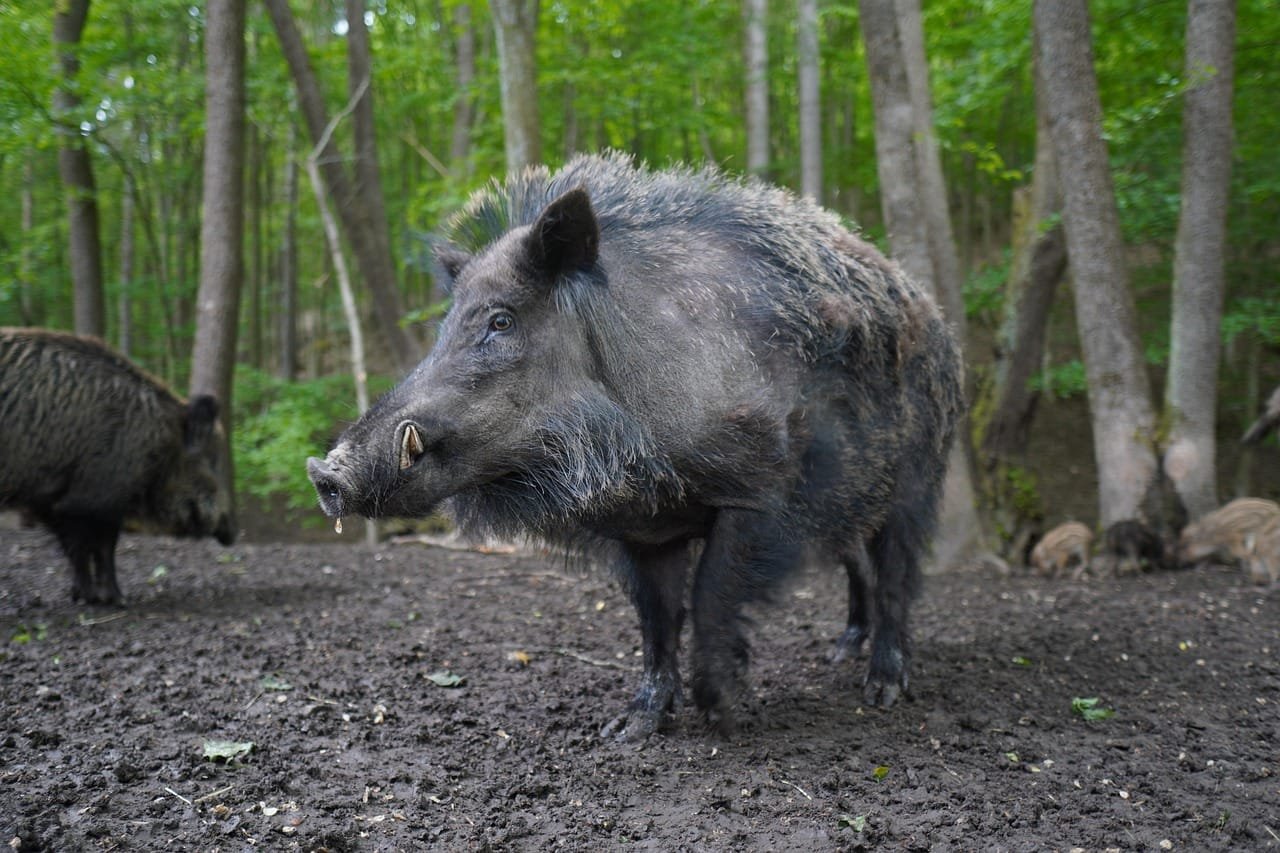
The study found that wild boar and domestic pig faecal microbiomes form two distinct community types that are driven by diet and lifestyle rather than host species alone. It also found many previously unknown microbial taxa in wild boars, including species with carbohydrate-degrading potential.
Why the authors say this matters
The authors conclude that the findings show the wild boar microbiome is a previously untapped source of microbial diversity. They suggest the curated catalogue of carbohydrate degraders could help guide tailored probiotic supplementation during shifts to new fibrous feeds.
What the researchers tested
The researchers collected 89 faecal samples from wild boars in four countries and analysed them mainly with metagenomic sequencing, which examines DNA from whole microbial communities. They assembled metagenome-assembled genomes, or MAGs, then compared these data with 125 previously published samples, mostly from domestic pigs.
What worked and what didn't
De novo assembly produced 3,288 high- and medium-quality MAGs representing 968 species, including 538 that were previously unknown. The analysis separated samples into community type C1, dominated by free-ranging foraging wild boars, and C2, dominated by captive domestic pigs; C2 had a higher relative abundance of CAZyme genes, while C1 contained species that were generally richer in CAZyme genes and carbohydrate substrate classes. The authors also identified 47 highly versatile carbohydrate-degrading species, including several novel species.
What to keep in mind
The abstract does not describe experimental limitations in detail. The study’s comparisons are based on faecal samples and on the published samples included in the analysis, so the summary is limited to the scope described there.
Key points
- Wild boar and domestic pig faecal microbiomes grouped into two community types linked to diet and lifestyle.
- The study reported 3,288 high- and medium-quality metagenome-assembled genomes from wild boar samples.
- Of the 968 species represented, 538 were previously unknown.
- C2 had a higher relative abundance of CAZyme genes, while C1 contained species richer in CAZyme genes and carbohydrate substrate classes.
- The researchers curated 47 highly versatile carbohydrate-degrading species.
Disclosure
- Research title:
- Wild boar and domestic pig gut microbiomes differ by diet and lifestyle
- Authors:
- Yu Chyuan Heng, Joanna Hui Xin Chua, Shaktheeshwari Silvaraju, Huan Fan, Adrian Low, Amber Ching Han Lim, Binbin Chen, L. Mane, Sumit Singh Dagar, K. Fliegerová, Giuseppe Moniello, Wakako IKEDA-OHTSUBO, Kei Okuda, Henning Seedorf, Kevin Lim, Sandra Kittelmann
- Institutions:
- Agharkar Research Institute, Agharkar Research Institute, Czech Academy of Sciences, Institute of Animal Physiology and Genetics, Hiroshima Shudo University, National University of Singapore, National University of Singapore, Temasek Life Sciences Laboratory, Temasek Life Sciences Laboratory, Tohoku University, University of Sassari, Wilmar International (Singapore), Wilmar International (Singapore), Wilmar International (Singapore), Wilmar International (Singapore), Wilmar International (Singapore), Wilmar International (Singapore), Wilmar International (Singapore), Wilmar International (Singapore)
- Publication date:
- 2026-04-02
- OpenAlex record:
- View
- Image credit:
- Pixabay • Mikewildadventure · Pixabay License
Get the weekly research newsletter
Stay current with peer-reviewed research without reading academic papers — one filtered digest, every Friday.