

What the study found
Children with Hirschsprung disease (HSCR), a condition in which part of the large intestine does not form normally, had gut microbiota differences compared with healthy children. The study also found microbiota changes from diagnosis through 6 months after surgery, and it identified bacterial taxa that may be linked to postoperative Hirschsprung-associated enterocolitis (HAEC), an intestinal inflammation/infection complication.
Why the authors say this matters
The authors conclude that these findings point to bacterial markers that may help predict postoperative HAEC. They also state that future microbiome-targeted interventions to prevent HAEC need to be explored.
What the researchers tested
The researchers conducted a case-control study of 20 children with HSCR and 20 age-matched controls at one hospital. Fecal samples were collected at diagnosis, during surgery, and at 1 and 6 months after surgery, and bacterial DNA was analyzed using 16S rRNA gene sequencing of the V3-V4 regions.
What worked and what didn't
Compared with controls, children with HSCR had reduced microbial diversity and altered community composition. Several bacteria, including Robinsoniella, Fusobacterium, Cutibacterium, Citrobacter, and Eubacterium fissicatena, were increased, while NK4A214, Lachnospiraceae XPB1014 groups, Acinetobacter, and Acetitomaculum were decreased. Alpha diversity was significantly higher at 6 months after surgery than at diagnosis, and changes in Eubacterium and Eubacteriales were suggested as possible markers of treatment efficacy. In children who developed postoperative HAEC, Olsenella was enriched in the proximal intestine, while Holdemanella, Corynebacterium, Collinsella, and CAG-352 were higher in the distal intestine.
What to keep in mind
The study included a small sample from a single hospital. The abstract does not describe whether the proposed bacterial markers were validated in an independent group, and it does not provide additional limitations beyond the study design and sample size.
Key points
- Children with Hirschsprung disease had different gut microbiota from healthy controls.
- Microbial diversity in patients increased significantly by 6 months after surgery.
- Several bacterial taxa were more abundant in HSCR, while others were decreased.
- Olsenella and several other taxa were associated with postoperative HAEC in different intestinal regions.
- The authors suggest some bacterial changes may serve as markers of treatment efficacy or HAEC risk.
Disclosure
- Research title:
- Hirschsprung disease shows distinct gut microbiota shifts after surgery
- Authors:
- Sireekarn Chantakhow, Chanon Kunasol, Jiraporn Khorana, Kanokkan Tepmalai, Nipon Chattipakorn, Siriporn C. Chattipakorn
- Institutions:
- Chiang Mai University, Chiang Mai University, Chiang Mai University, Chiang Mai University, Chiang Mai University, Chiang Mai University, Office of the Royal Society, The Royal College Of Anesthesiologists Of Thailand
- Publication date:
- 2026-02-25
- OpenAlex record:
- View
- Image credit:
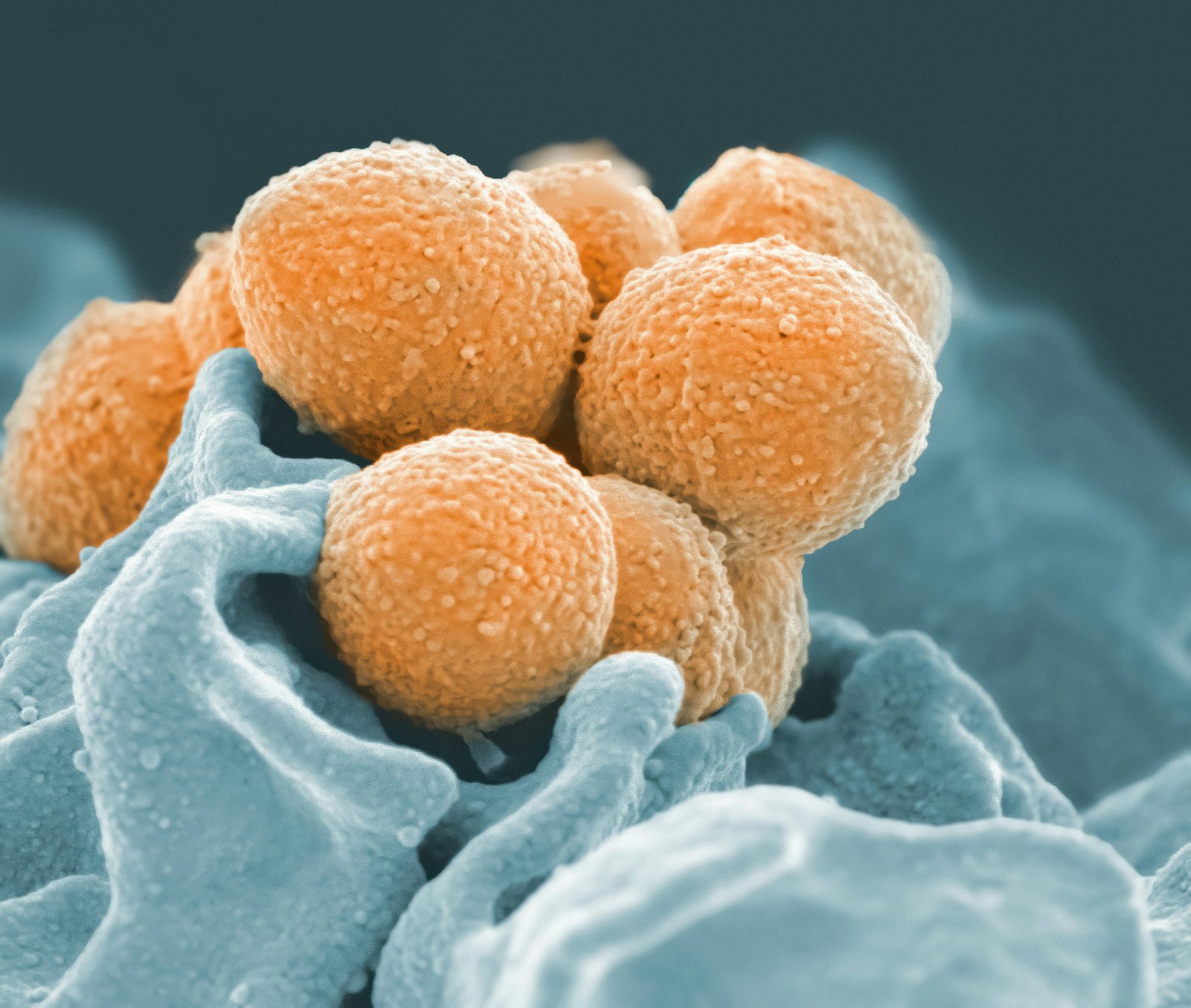
- Photo by National Institute of Allergy and Infectious Diseases on Unsplash · Unsplash License
Get the weekly research newsletter
Stay current with peer-reviewed research without reading academic papers — one filtered digest, every Friday.