

AI Summary of Peer-Reviewed Research
This page presents an AI-generated summary of a published research paper. The original authors did not write or review this article. See full disclosure ↓
⚠️ This summary is for informational purposes only and does not constitute legal advice. Laws vary by jurisdiction and change over time. Consult a qualified legal professional for advice specific to your situation.
Publication Signals show what we were able to verify about where this research was published.MODERATECore publication signals for this source were verified. Publication Signals reflect the source’s verifiable credentials, not the quality of the research.
- ✔ Peer-reviewed source
- ✔ Published in indexed journal
- ✔ No retraction or integrity flags
Overview
This study evaluates the predictive value of pre-sequencing DNA quantification metrics for SNP call rate performance in massively parallel sequencing of unidentified human remains. A cohort of 500 anonymized skeletal samples was subjected to quantitative PCR-based human DNA assessment and fluorometric total DNA measurement. Three hundred ninety-nine samples meeting minimum human DNA thresholds (short autosomal target ≥0.005 ng/µl) proceeded to SNP sequencing. SNP call rates ranged from 8% to 91%, with 95.7% of sequenced samples exceeding 50% call rate. The analysis examined associations between bone type, DNA quantification metrics, and profile completeness across this large forensic specimen cohort.
Methods and approach
Five hundred skeletal samples submitted for forensic genome sequencing were analyzed retrospectively. Human-specific DNA quantity was measured using short and long autosomal quantitative PCR targets. Total DNA content was assessed using fluorometric quantification. SNP call rate served as the primary measure of profile completeness. Pearson correlation coefficients were calculated between DNA metrics and SNP call rate. Machine-learning models were constructed to assess predictive performance of quantification metrics for call rate outcomes. Stratified analysis was conducted by bone type category to evaluate differential sample progression and sequencing performance.
Key Findings
Among 500 samples, 399 (79.8%) met minimum human DNA thresholds and underwent sequencing. SNP call rates ranged from 8% to 91%, with 95.7% achieving ≥50% call rates. The total DNA to short autosomal target ratio showed the strongest correlation with call rate (log₁₀ r = -0.48), followed by estimated human DNA input into library preparation (log₁₀ r = 0.41). Degradation index demonstrated only modest association (log₁₀ r not specified but described as modest). Bone type significantly influenced sample progression to sequencing but did not substantially differentiate call rate distributions among sequenced samples. Machine-learning models incorporating standard quantification metrics achieved moderate validation performance (best R² = 0.47), indicating that current metrics correlate with but do not reliably predict SNP profile completeness across the range of skeletal specimens encountered.
Implications
Massively parallel SNP sequencing demonstrates robust applicability for forensic identification of unidentified human remains, with high call rate achievement rates across diverse bone types and preservation conditions. The findings support SNP-based genetic genealogy as a preferred approach for generating actionable identification data from skeletal remains. However, the moderate predictive performance of current quantification metrics indicates that standard pre-sequencing assessments provide limited specificity for determining likely profile completeness outcomes prior to library preparation and sequencing.
Disclosure
- Research title: Large-scale analysis of DNA quantification metrics and SNP sequencing performance in unidentified human remains
- Authors: Steven A Bates, Bruce Budowle, Morgan Johnson, Jianye Ge, Kristen Mittelman, Xu Dan
- Publication date: 2026-02-25
- DOI: https://doi.org/10.1016/j.fsigen.2026.103470
- OpenAlex record: View
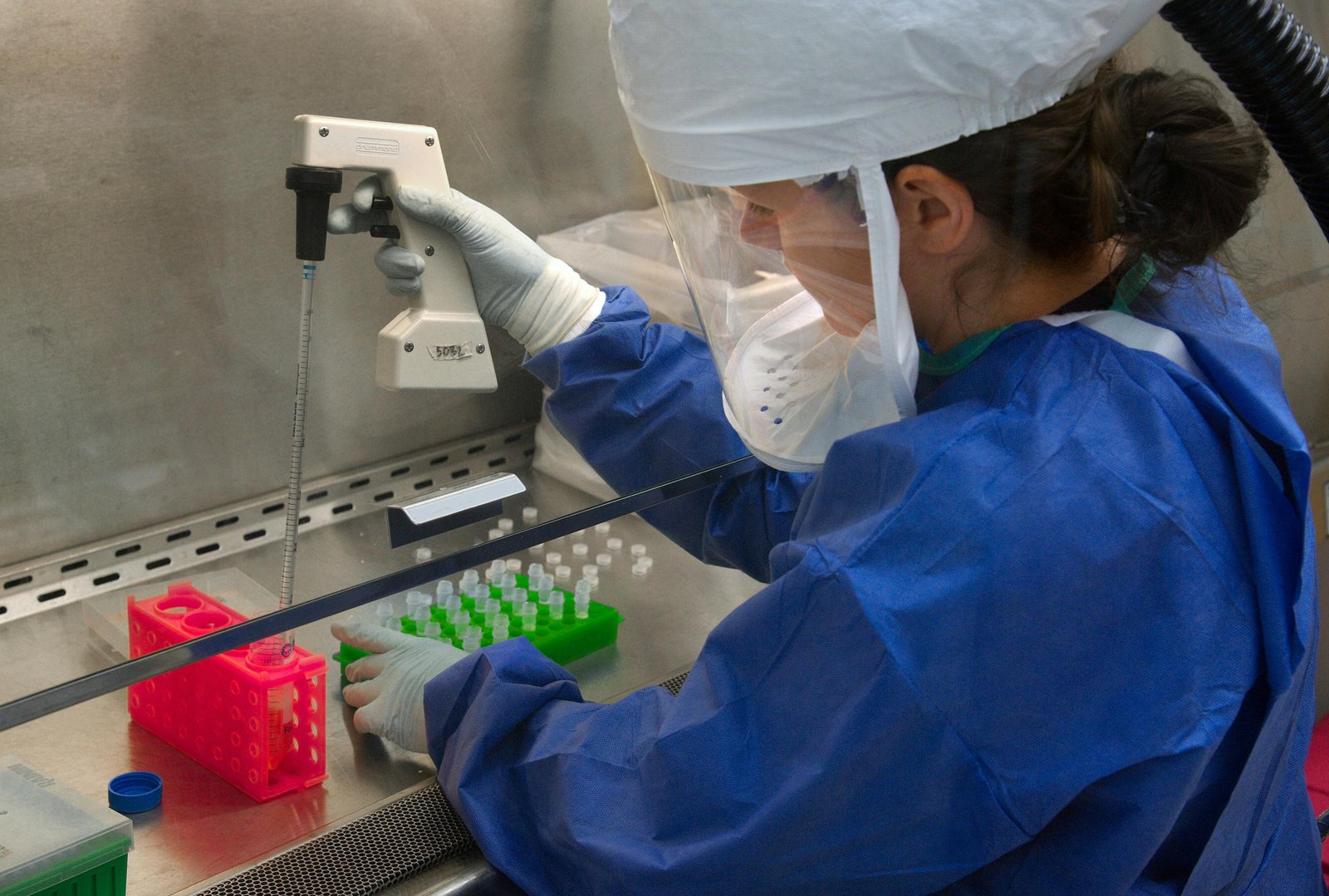
- Image credit: Photo by CDC on Pexels (Source • License)
- Disclosure: This post was generated by Claude (Anthropic). The original authors did not write or review this post.
Get the weekly research newsletter
Stay current with peer-reviewed research without reading academic papers — one filtered digest, every Friday.