

AI Summary of Peer-Reviewed Research
This page presents an AI-generated summary of a published research paper. The original authors did not write or review this article. See full disclosure ↓
Publication Signals show what we were able to verify about where this research was published.STRONGWe verified multiple publication signals for this source, including independently confirmed credentials. Publication Signals reflect the source’s verifiable credentials, not the quality of the research.
- ✔ Peer-reviewed source
- ✔ Published in indexed journal
- ✔ No retraction or integrity flags
Overview
This study examines the Mimbres Classic period (AD 1000–1130) communities in southwestern New Mexico as a case of inward-oriented social organization that contrasts with models privileging monumentality and regional integration. The research situates Mimbres insularity within broader developments in the prehispanic US Southwest and Mexican Northwest, focusing on the Mimbres River Valley as the cultural core of the Mogollon archaeological tradition. Drawing on theories of boundary maintenance and ritual sovereignty, the analysis frames insularity not as passive isolation but as an active cultural strategy involving selective engagement and deliberate boundary-making. The study emphasizes that Mimbres insularity was historically contingent, emerging in the AD 900s, peaking during the Classic period, and declining after AD 1130 as communities relocated and integrated with new regional networks. This temporal trajectory demonstrates that inward-oriented strategies served as mechanisms for maintaining social coherence through household autonomy and symbolic containment rather than through hierarchical structures or large-scale connectivity.
The research challenges conventional archaeological models that equate social complexity with scale, monumentality, or external integration. By examining how material practices constructed and maintained a culturally bounded world, the study presents Mimbres society as exemplifying an alternative pathway to social organization. The Classic period is characterized by distinctive material culture including painted ceramics, architectural transitions from pithouse to pueblo forms, population growth tied to intensified maize agriculture, and mortuary practices that localized sacred authority. These features contrast sharply with contemporaneous developments at Chaco Canyon, where investments in monumentality and hierarchy dominated. The analysis positions insularity as a generative rather than reductive phenomenon, producing forms of social coherence reflecting conscious cultural choices rather than geographical constraints or developmental limitations.
Methods and approach
The study employs a framework grounded in theories of boundary maintenance, particularly drawing on Barth's conceptualization of boundaries as actively maintained through material and social practices. Insularity is operationalized as a strategic process involving selective engagement rather than complete disconnection, enacted through the material practices of everyday life. The research focuses on the Mimbres River Valley in Grant and Luna Counties, New Mexico, utilizing archaeological evidence from extensively excavated sites including Mattocks, Galaz, Swarts, NAN Ranch, and Old Town. The analytical approach situates local developments within broader regional contexts, comparing Mimbres practices with contemporaneous societies in the US Southwest and Mexican Northwest to highlight divergent trajectories of social organization.
The methodological framework examines multiple material domains including architecture, ceramic production and iconography, mortuary practices, and patterns of external interaction to reconstruct strategies of symbolic containment and boundary-making. The analysis treats material culture not merely as reflective of social patterns but as constitutive of them, exploring how specific practices mobilized objects and spaces to construct cultural boundaries. The temporal scope extends from the emergence of insular patterns in the AD 900s through the Classic period and into the post-1130 period of transformation, enabling examination of insularity as a dynamic rather than static phenomenon. This diachronic perspective supports assessment of insularity as historically contingent, shaped by and responsive to changing regional conditions and internal social dynamics.
Key Findings
The research documents a pattern of material homogeneity across Classic period Mimbres sites that reflects deliberate cultural boundary-making rather than technological or developmental stagnation. Distinctive Mimbres Classic Style III Black-on-white ceramics, characterized by elaborate painted designs, circulated primarily within the cultural core along the Mimbres River and its tributaries, with regulated patterns of external exchange. Architectural evidence shows a transition from pithouse to pueblo forms during the Classic period, accompanied by population growth linked to intensified maize agriculture. These developments occurred without the emergence of monumental architecture or marked social hierarchy, contrasting sharply with contemporaneous Chacoan investments in great houses and regional road systems. Mortuary practices and ceramic iconography indicate that sacred authority remained localized at the household level rather than centralized in suprahousehold institutions.
The temporal analysis reveals that insularity intensified during the Classic period after emerging in the AD 900s, then receded after AD 1130 as communities relocated and engaged with new material traditions and regional networks. This historical arc demonstrates that insularity was neither an inherent cultural characteristic nor a response to geographical isolation, but rather a strategic orientation adopted and maintained through specific material practices. The regulated nature of external interaction, combined with symbolic containment of iconographic traditions within cultural boundaries, indicates conscious efforts to limit connectivity while maintaining household autonomy. The eventual transformation of these patterns after AD 1130 underscores the historically contingent nature of insular strategies, which proved effective for sustaining social coherence during the Classic period but were ultimately reconfigured as regional conditions changed.
Implications
The findings challenge archaeological models that privilege scale, connectivity, and hierarchical complexity as primary indicators of social organization or cultural vitality. By demonstrating how inward-oriented strategies produced resilient social frameworks during the Mimbres Classic period, the research expands understanding of alternative pathways to social cohesion in middle-range agricultural societies. The concept of insularity as strategic rather than passive reframes interpretations of societies that do not conform to trajectories emphasizing regional integration or monumental construction. This has broader implications for comparative archaeology, particularly in contexts where material homogeneity or limited external exchange has been interpreted as evidence of cultural decline or developmental failure. The study supports recognition of boundary maintenance and symbolic containment as generative processes capable of sustaining distinct cultural identities over significant time periods.
The historical contingency of Mimbres insularity demonstrates that such strategies respond to and shape regional dynamics rather than representing fixed cultural orientations. The emergence, intensification, and eventual transformation of insular practices suggest that communities actively calibrated their engagement with external networks according to changing conditions and strategic priorities. This dynamic quality contrasts with essentialist interpretations that treat insularity as inherent cultural conservatism. For archaeological theory, the research emphasizes the importance of examining how material practices constitute social boundaries and localize authority, particularly in societies organized around household autonomy rather than centralized institutions. The Mimbres case provides a framework for analyzing other prehispanic North American societies that adopted similar inward-oriented strategies, contributing to more nuanced models of social organization that account for diverse pathways to cultural coherence and resilience.
Scope and limitations
This summary is based on the study abstract and available metadata. It does not include a full analysis of the complete paper, supplementary materials, or underlying datasets unless explicitly stated. Findings should be interpreted in the context of the original publication.
Disclosure
- Research title: Insularity as Cultural Strategy: Mimbres Social Organization in Southwest New Mexico, AD 1000–1130
- Authors: Sean G. Dolan
- Institutions: Los Alamos National Laboratory
- Publication date: 2026-01-28
- DOI: https://doi.org/10.1017/aaq.2025.10152
- OpenAlex record: View
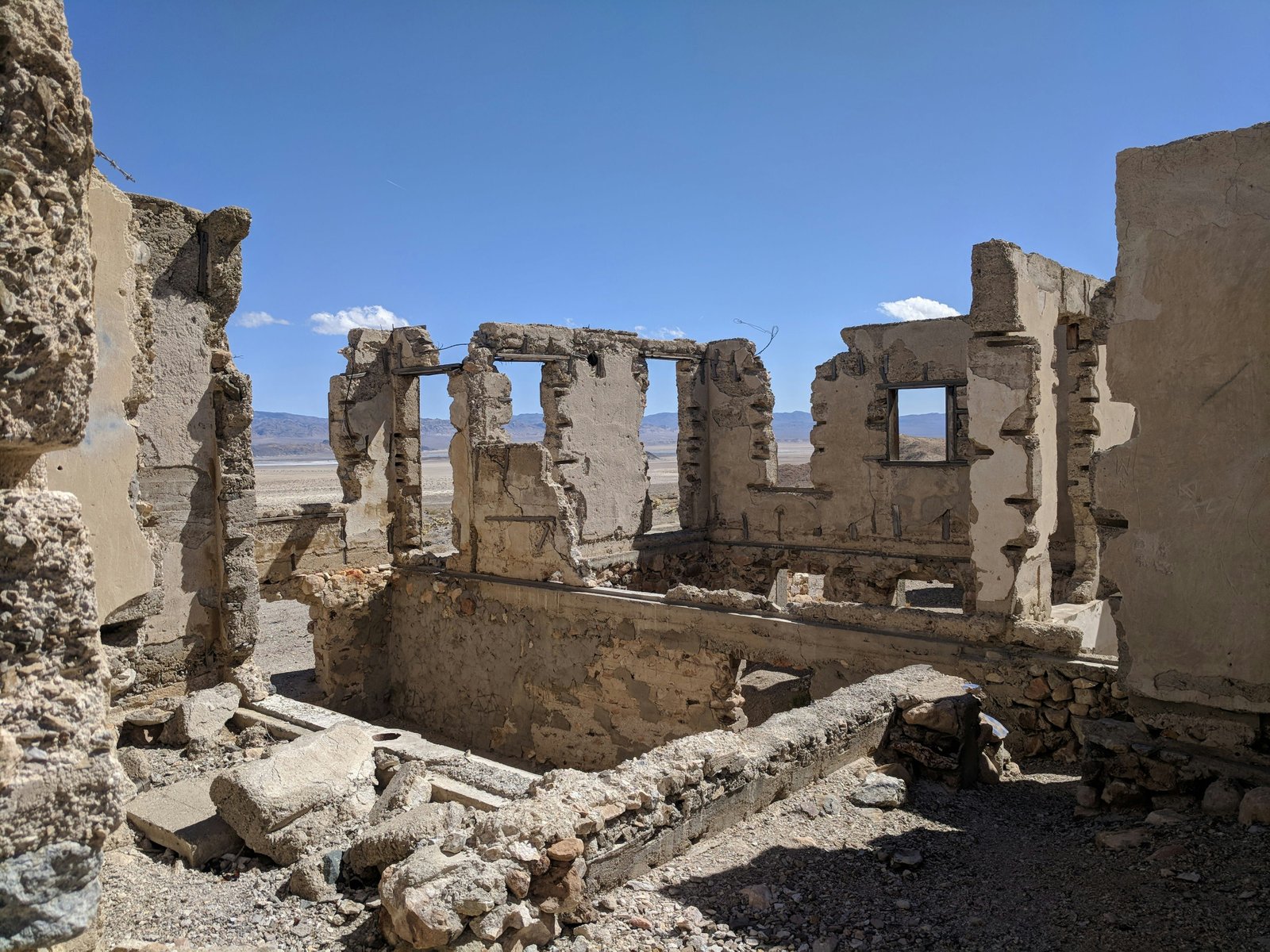
- Image credit: Photo by Bret Lowrey on Unsplash (Source • License)
- Disclosure: This post was generated by Claude (Anthropic). The original authors did not write or review this post.
Get the weekly research newsletter
Stay current with peer-reviewed research without reading academic papers — one filtered digest, every Friday.


