

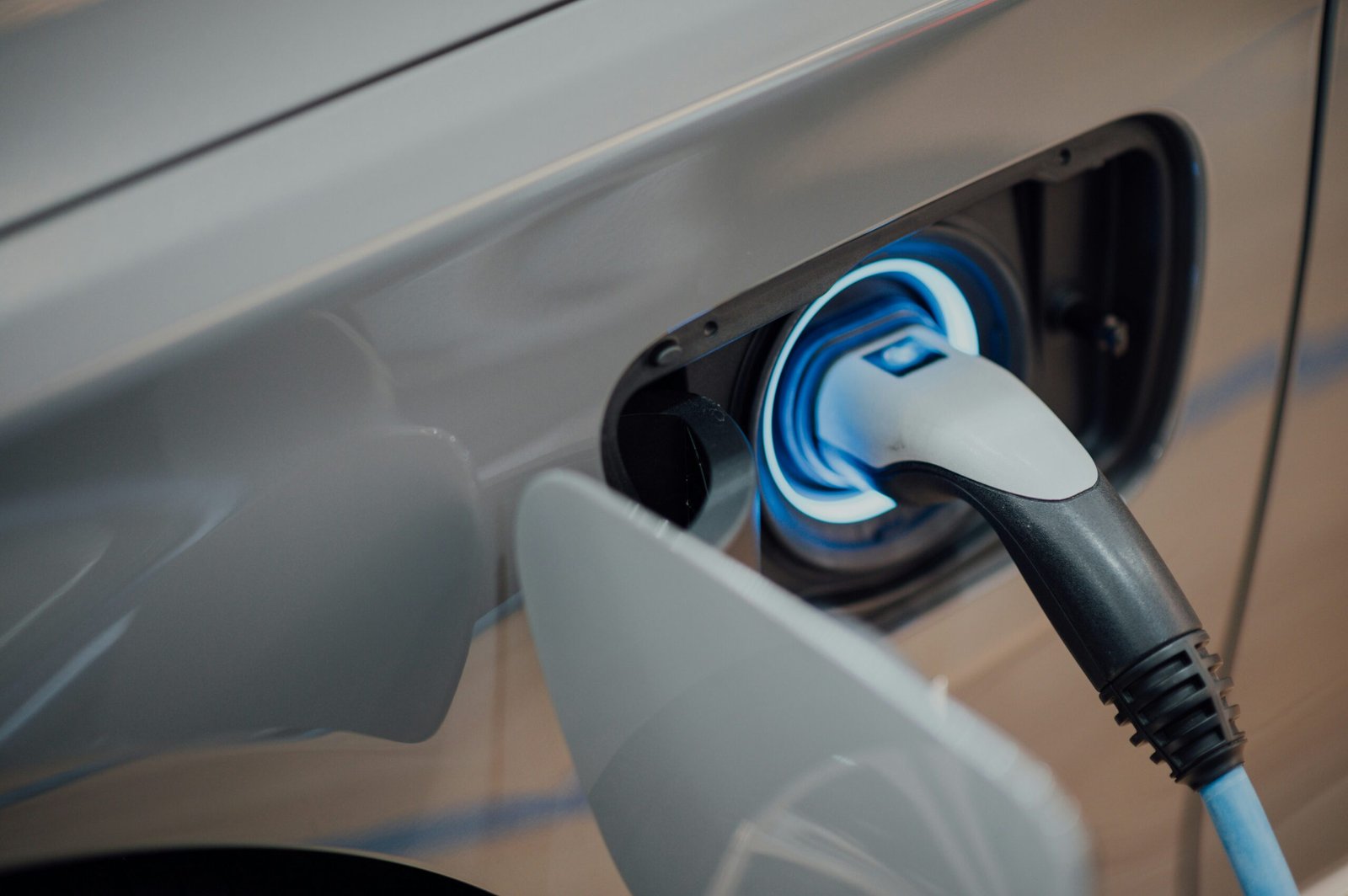
This study tested how using electric vehicle batteries for vehicle-to-grid (V2G) services affects the lifetime of lithium-ion cells, using real-world charging data. Cylindrical commercial cells were stored and cycled under different state-of-charge, depth-of-discharge, and temperature conditions to measure ageing.
Results show that higher temperature (40 °C) strongly speeds up degradation, especially when cells are kept at high charge or cycled deeply. The work found that shallow daily V2G cycling produces similar capacity loss to keeping cells at a high state of charge, and that about 62% of a full equivalent cycle per day can be done without shortening cell life. The paper also proposes a new cell-level V2X capability metric and an experimental method to evaluate it.
What the study examined
This research explored how using electric vehicle batteries to send power back to the grid during idle or charging periods affects battery health. The team used real-world charging data from commercial EV battery chargers and tested commercially available cylindrical lithium-ion cells under different storage and cycling conditions.
Key variables in the tests were the cell state of charge (SOC), depth of discharge (DOD), and temperature. The experiments compared long-term storage ageing with active cycling that mimics vehicle-to-grid activity, aiming to understand which conditions speed up capacity loss.
Key findings
- Temperature drives degradation: Elevated temperature (40 °C) was the main factor that accelerated ageing, particularly when cells were stored at high SOC or exposed to deeper cycle ranges.
- High charge and deep cycles increase wear: Cells held at a high state of charge and cells cycled across larger SOC ranges showed greater capacity fade compared with milder conditions.
- Shallow cycling versus high SOC storage: Shallow daily cycling within a modest SOC window produced capacity loss comparable to keeping cells stored at a high SOC.
- Practical V2G potential: The analysis indicated that achieving roughly 62% of a full equivalent cycle each day through grid services did not reduce cell lifetime in these tests, suggesting V2G during idle or charging periods can be viable from a longevity perspective.
- New performance metric: The study introduced a V2X capability metric at the cell level and described an experimental way to measure it, providing a possible tool for comparing cells’ suitability for grid services.
Why it matters
Electric vehicles that can discharge to the grid offer operational benefits such as lowering costs and cutting emissions by using parked batteries as distributed energy resources. Understanding how this use affects battery life helps balance those benefits against battery wear.
By identifying temperature, high charge, and deep cycling as key drivers of ageing, the study highlights conditions to monitor when considering grid services. The proposed V2X capability metric offers a way to compare cells on their readiness for such roles, and the experimental results indicate that modest, shallow daily cycling can deliver grid value without sacrificing battery lifetime in the tested scenarios.
Disclosure
- Research title: Experimental Investigation of the Impact of V2G Cycling on the Lifetime of Lithium-Ion Cells Based on Real-World Usage Data
- Authors: George Darikas, Mehmet Cagin Kirca, Nessa Fereshteh Saniee, Muhammad Rashid, Ihsan Mert Muhaddisoglu, Truong Quang Dinh, Andrew McGordon
- Institutions: University of Warwick
- Journal / venue: Batteries (2026-01-08)
- DOI: 10.3390/batteries12010022
- OpenAlex record: View on OpenAlex
- Links: Landing page
- Image credit: Photo by CHUTTERSNAP on Unsplash (Source • License)
- Disclosure: This post was generated by Artificial Intelligence. The original authors did not write or review this post.