

About This Article
This is an AI-generated summary of a research paper. The original authors did not write or review this article. See full disclosure ↓
Overview
Psyllium, derived from Plantago ovata seed husks and containing predominantly xylose and arabinose monosaccharides, represents a naturally derived dietary fiber with documented therapeutic potential across multiple physiological systems. The compound functions as a functional food ingredient and alternative to synthetic hydrocolloids and gums in food fortification applications.
Methods and approach
The analysis synthesizes existing literature on psyllium's biochemical composition and its physiological effects across multiple disease states and health parameters. Evidence is drawn from studies examining psyllium's impact on metabolic markers, microbial ecology, inflammatory mediators, and systemic health outcomes. The assessment identifies mechanisms of action including glucose regulation, lipid management, satiety signaling, and antimicrobial activity.
Results
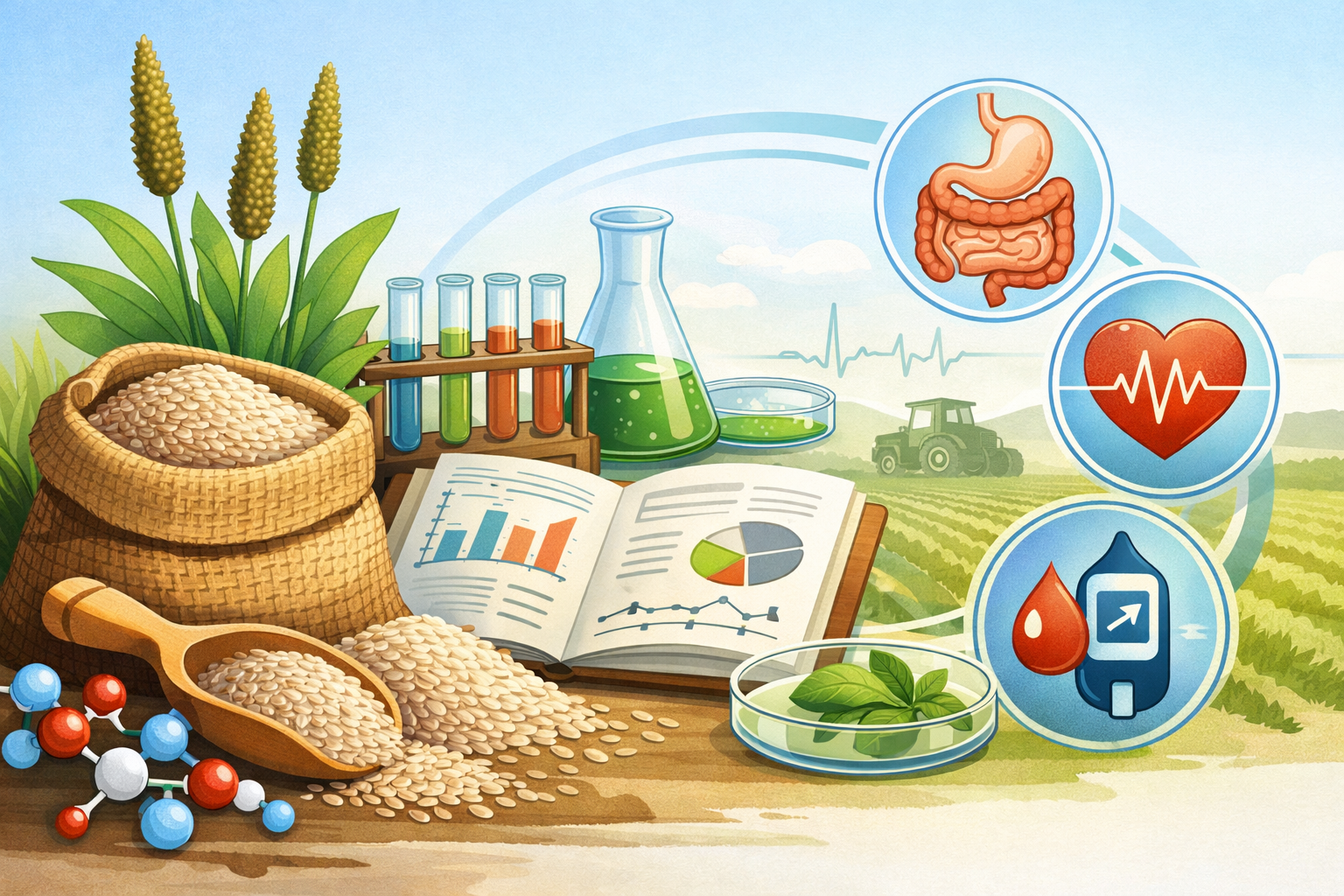
Documented effects of psyllium include modulation of blood glucose, blood pressure, and cholesterol profiles; increased satiety and reduced caloric intake; promotion of bowel regularity and favorable shifts in gut microbiota composition; and reductions in inflammatory markers including tumor necrosis factor-alpha and nitric oxide. Additional findings indicate decreased serum creatinine and uric acid concentrations alongside reduced carcinogenic risk. Psyllium demonstrates antioxidant and antimicrobial properties in measured parameters.
Implications
Psyllium demonstrates broad therapeutic applicability in managing hypertension, diabetes mellitus, and hepatic disease, with mechanistic pathways established across multiple organ systems. The compound's natural origin and efficacy profile position it as a viable alternative to synthetic additives in functional food development, with potential for expanded clinical application.
Disclosure
- Research title: From Husks and Seeds to Health: an Inevitable Outcome Rather than a Fluke
- Authors: Şule Kocabaş, Ebru Özler
- Publication date: 2026-02-26
- DOI: https://doi.org/10.1007/s13668-025-00722-4
- OpenAlex record: View
- PDF: Download
- Disclosure: This post is an AI-generated summary of a research work. It was prepared by an editor. The original authors did not write or review this post.