

For the (Eternal) Life of the Whole World: The Cosmic Dimension of Theosis in the Orthodox Tradition

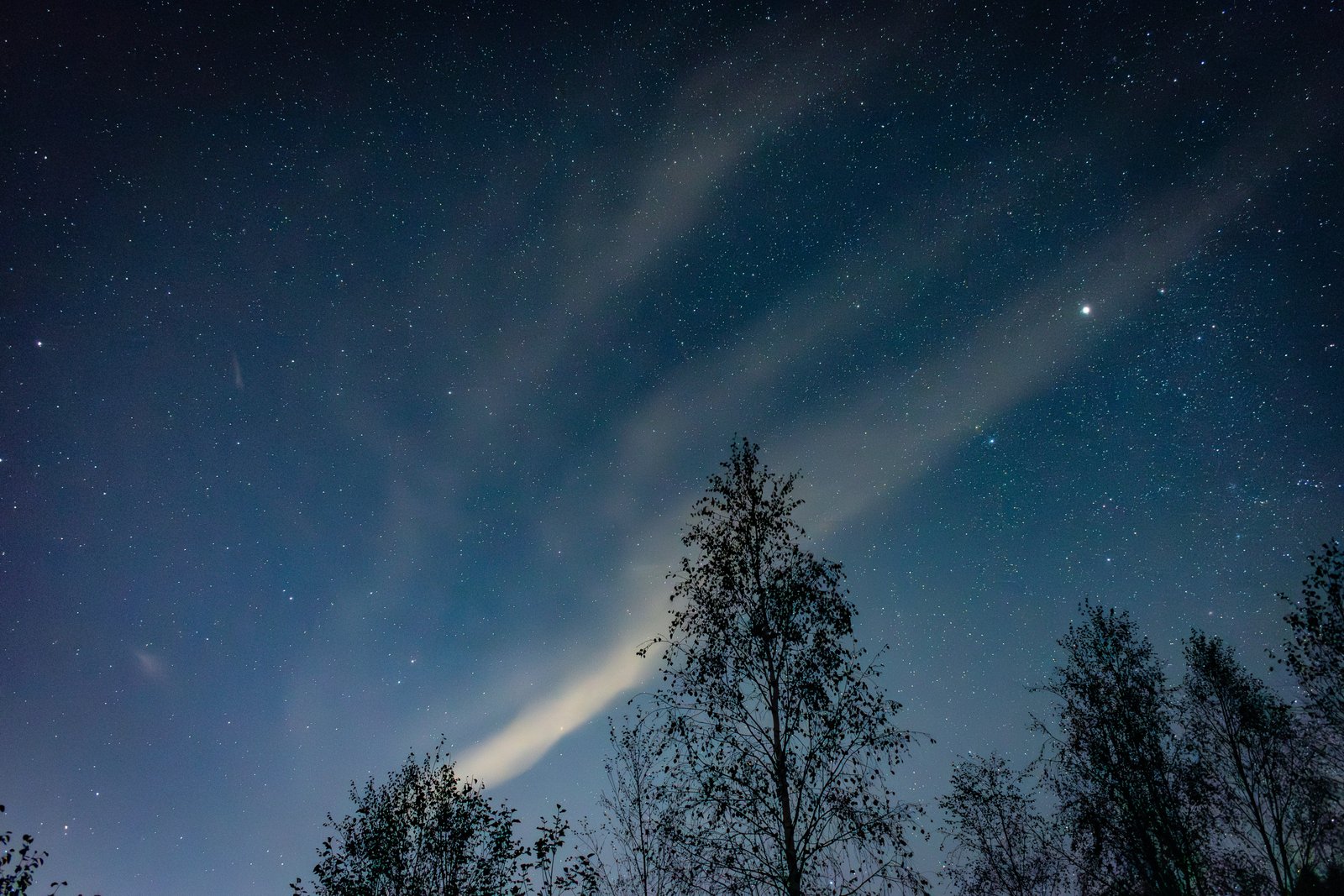
A nighttime landscape photograph showing tall coniferous trees silhouetted against a starry sky with dramatic light rays or auroral streams cutting diagonally through the atmosphere above a forested terrain.
Image Credit: Photo by Lumi Kangas on Unsplash (SourceLicense)

AI Summary of Peer-Reviewed Research

This page presents an AI-generated summary of a published research paper. The original authors did not write or review this article. See full disclosure ↓

Religions·2026-04-03·Peer-reviewed·View original paper ↗·Follow this topic (RSS)
Publication Signals show what we were able to verify about where this research was published.MODERATECore publication signals for this source were verified. Publication Signals reflect the source’s verifiable credentials, not the quality of the research.
  • ✔ Peer-reviewed source
  • ✔ Published in indexed journal
  • ✔ No retraction or integrity flags

Key findings from this study

This research indicates that:

  • theosis encompasses the material cosmos and all creatures, not exclusively human persons
  • the Logos-logoi relationship grounds a theological vision where divine participation extends throughout created reality
  • environmental destruction and animal suffering acquire acute theological weight as impediments to universal deification

Overview

Theosis, the Orthodox theological doctrine of human deification, historically focused on individual spiritual transformation. Contemporary Orthodox theology has neglected the cosmic dimension of theosis, which encompasses non-human beings and the material cosmos itself. This article constructs theological foundations for understanding theosis as a holistic, universal process rather than exclusively anthropocentric, drawing on classical Orthodox sources and modern theological developments.

Methods and approach

The article engages primary theological sources from St. Maximus the Confessor, particularly the Logos-logoi theory, and St. Gregory Palamas's Essence-Energies distinction. Contemporary Orthodox theological insights inform the framework. The analysis does not employ empirical methodology but proceeds through systematic theological interpretation and doctrinal synthesis.

Results

The Logos-logoi theory provides conceptual resources for understanding how the divine Logos relates to all created logoi, including those structuring non-human entities and cosmic systems. This framework permits viewing theosis not as restricted to human consciousness but as operative throughout creation. The Essence-Energies distinction establishes that divine energies permeate all existence, enabling all creatures—not solely humans—to participate in deification through their constitutive nature and relational capacity.

The synthesis positions theosis as a universal soteriological and eschatological process encompassing humanity, animals, and the physical cosmos. Deification becomes understood as the restoration and transfiguration of all created reality into communion with divine energies. This inclusive construal maintains Orthodox metaphysical commitments while expanding theosis beyond individual human sanctification to encompass ecological and creaturely dimensions.

Implications

Reconceiving theosis cosmically reframes theological responses to environmental degradation and animal welfare concerns. If all creation participates in theosis, anthropogenic ecological destruction and animal suffering acquire heightened theological significance as violations of this universal deificatory process. Environmental ethics and animal ethics become integral to Christian soteriology rather than peripheral concerns.

The framework provides Orthodox theology with conceptual resources for addressing contemporary ecological crises theologically without importing non-Orthodox categories. This positioning strengthens Orthodox contributions to ecumenical ecological dialogue. The cosmic theosis model also invites reassessment of creation theology, liturgical practice, and ascetic tradition through the lens of universal participation in deification.

Scope and limitations

This summary is based on the study abstract and available metadata. It does not include a full analysis of the complete paper, supplementary materials, or underlying datasets unless explicitly stated. Findings should be interpreted in the context of the original publication.

Disclosure

  • Research title: For the (Eternal) Life of the Whole World: The Cosmic Dimension of Theosis in the Orthodox Tradition
  • Authors: Nikolaos Asproulis
  • Institutions: Materials Industrial Research and Technology Development Centre (Greece)
  • Publication date: 2026-04-03
  • DOI: https://doi.org/10.3390/rel17040445
  • OpenAlex record: View
  • Image credit: Photo by Lumi Kangas on Unsplash (SourceLicense)
  • Disclosure: This post was generated by Claude (Anthropic). The original authors did not write or review this post.

Get the weekly research newsletter

Stay current with peer-reviewed research without reading academic papers — one filtered digest, every Friday.

More posts