

What the study found
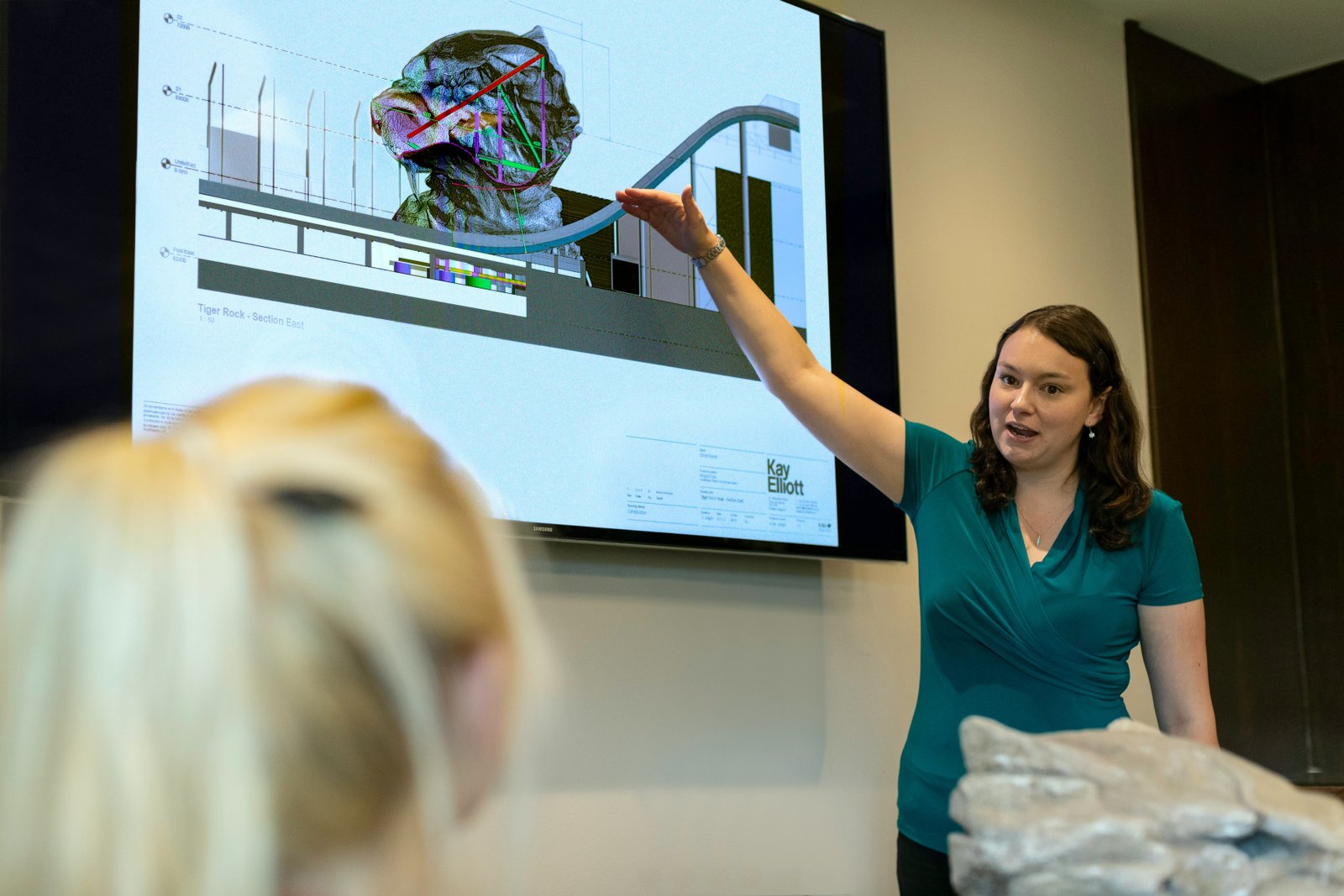
3MT presenters used images that were mostly non-specialized or less-specialized, such as popular imagery, photographs, and illustrations. The images and words on the slide worked with the speech to help non-specialist audiences understand the presentation.
Why the authors say this matters
The authors conclude that the study adds to knowledge about the visual features of the Three Minute Thesis (3MT) genre and about academic communication for non-specialists. They also say the findings have pedagogical implications for postgraduate students and instructors preparing academic presentations for non-specialist audiences.
What the researchers tested
The researchers analyzed a corpus of 50 slides taken from 3MT presentations delivered by PhD students in electrical and computer engineering. They focused on multimodality, meaning how images, words, and speech work together.
What worked and what didn't
The findings show two main patterns: presenters recontextualized specialized scientific knowledge visually using mostly non-specialized or less-specialized images, and the images and words on each slide either concurred with or complemented the speech. This pattern appeared across all rhetorical moves of the presentations.
What to keep in mind
The available summary does not describe specific limitations beyond the scope of the corpus. The study is based on 50 slides from 3MT presentations in electrical and computer engineering, so the findings are limited to that material.
Key points
- The study examined 50 slides from 3MT presentations by PhD students in electrical and computer engineering.
- Most slide images were non-specialized or less-specialized, including popular imagery, photographs, and illustrations.
- Slide images and words supported comprehension by either matching or complementing the speech.
- This pattern was found across all rhetorical moves of the presentations.
- The authors say the findings add to knowledge about 3MT visual features and academic communication for non-specialists.
Disclosure
- Research title:
- 3MT slides used mostly non-specialized images to support comprehension
- Publication date:
- 2026-01-01
- OpenAlex record:
- View
- Image credit:
- Photo by ThisisEngineering on Unsplash · Unsplash License
Get the weekly research newsletter
Stay current with peer-reviewed research without reading academic papers — one filtered digest, every Friday.