

What the study found
The study says that people brought from India to Mauritius as indentured laborers preserved and conserved their native cultures after settling there. It presents Mauritius as an example of cultural preservation among indentured communities, with organizations such as Arya Samaj playing an important role.
Why the authors say this matters
The authors suggest that Mauritius shows how girmitiyas, that is, indentured laborers, maintained cultural traditions across generations. They conclude that the work highlights the contributions of organizations devoted to cultural preservation, especially Arya Samaj in Mauritius.
What the researchers tested
The paper analyzes the cultural legacy of girmitiyas in Mauritius and the contributions of organizations involved in preserving those traditions. It focuses especially on Arya Samaj and uses examples mentioned in the abstract, such as religious beliefs, Ganga Talaab, and folk singing with instruments.
What worked and what didn't
According to the abstract, cultural preservation is shown through examples including belief in Lord Hanumana's rescue, the presence of Ganga Talaab, and evening gatherings with folk songs and instruments such as jhal, manjira, tabla, and dholak. The abstract does not describe any failed efforts or compare different preservation approaches.
What to keep in mind
The abstract gives a general account but does not provide detailed methods, evidence, or specific findings beyond the examples listed. Limitations are not described in the available summary.
Key points
- Mauritius is presented as an example of cultural preservation among Indian indentured laborers.
- The abstract says many indentured laborers from India settled in Mauritius after their contracts ended.
- Arya Samaj is described as having played an important role in preserving cultural traditions.
- Examples of preserved traditions include belief in Lord Hanumana, Ganga Talaab, and folk music gatherings.
- The abstract does not describe limitations, failed efforts, or detailed methods.
Disclosure
- Research title:
- Mauritius preserved Indian indenture-era cultural traditions
- Publication date:
- 2026-02-23
- OpenAlex record:
- View
- Image credit:
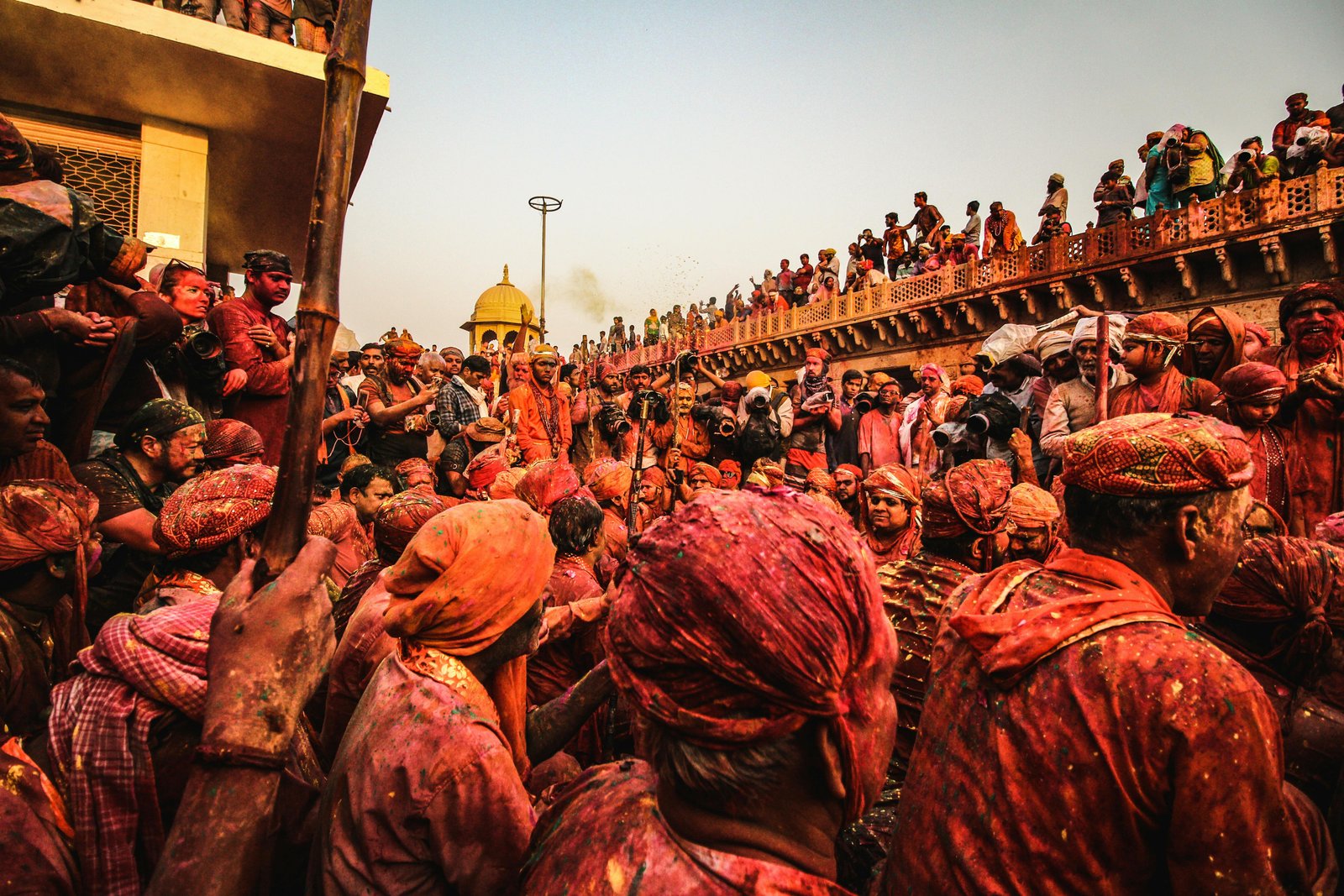
- Pexels • Yogendra Singh · Pexels License
Get the weekly research newsletter
Stay current with peer-reviewed research without reading academic papers — one filtered digest, every Friday.