

What the study found
The article finds that the Chandigarh Capitol, the administrative center of the city of Chandigarh in Punjab, India, is the only city plan by Le Corbusier that was implemented. It also states that the master plan and seven monumental buildings of the Capitol are analyzed through the author’s socio-political and architectural-design concepts.
Why the authors say this matters
The authors present the study as a way to understand the socio-political and architectural meaning of Le Corbusier’s realized urban work. The findings indicate that the Capitol can be read as a built expression of the concepts he developed for city and town planning.
What the researchers tested
The article examines Charles-Édouard Jeanneret-Grie, known as Le Corbusier, and his architectural and urban planning activity. It focuses on the Chandigarh plan and its administrative center, analyzing the main socio-political and architectural-design concepts in the Capitol master plan and the architectural-compositional and planning solutions of its seven monumental buildings.
What worked and what didn't
The article states that many of Le Corbusier’s city and town plans were created, but only the Chandigarh plan and its Capitol were implemented. It does not provide comparative performance measures or claim that particular design elements succeeded or failed in practical use.
What to keep in mind
The abstract does not describe detailed methods, evidence, or criteria used in the analysis. It also does not state explicit limitations beyond the narrow focus on Chandigarh’s Capitol and its seven monumental buildings.
Key points
- The article says Chandigarh’s Capitol is the only city plan by Le Corbusier that was implemented.
- It analyzes the master plan and seven monumental buildings of the Capitol.
- The study focuses on Le Corbusier’s socio-political and architectural-design concepts.
- The abstract does not describe detailed methods or evidence.
- No specific practical successes or failures of individual design elements are reported in the abstract.
Disclosure
- Research title:
- Chandigarh Capitol reflects Le Corbusier’s architectural concepts
- Publication date:
- 2026-03-10
- OpenAlex record:
- View
- Image credit:
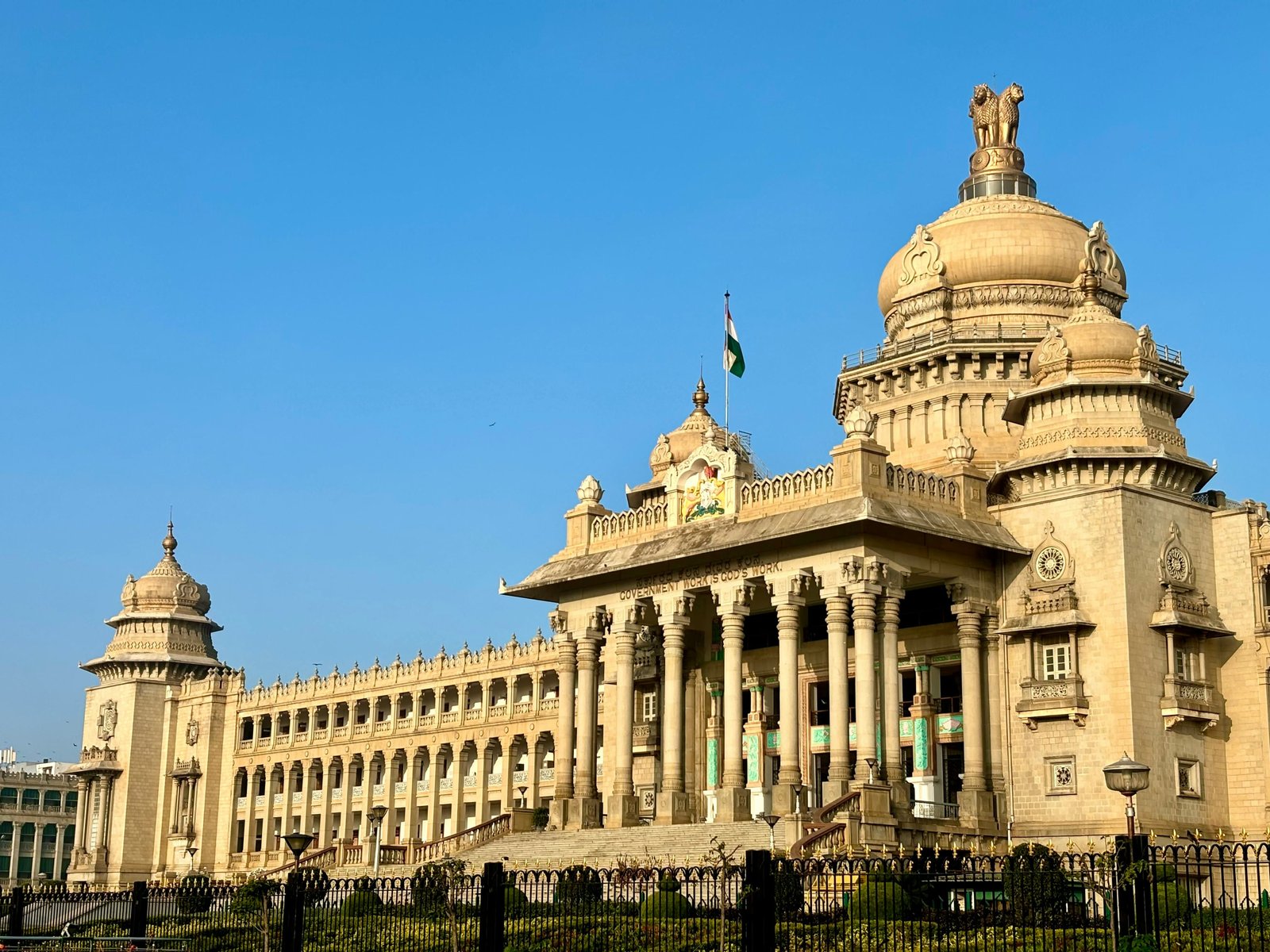
- Photo by Jayanth Muppaneni on Unsplash · Unsplash License
Get the weekly research newsletter
Stay current with peer-reviewed research without reading academic papers — one filtered digest, every Friday.