

What the study found
Dual-purpose cropping, which combines grain and forage use, produced different outcomes depending on crop and season. In this study, oat was identified as the best choice for dual-purpose or grain-only cropping, while barley was the best single crop for forage production.
Why the authors say this matters
The authors say dual-purpose crops are an indispensable part of crop-livestock systems, but that choosing crops and managing them can be unpredictable. The study suggests dual-purpose cropping can be economically viable and sustainable because it improved the harvest index, even though grain yield was reduced.
What the researchers tested
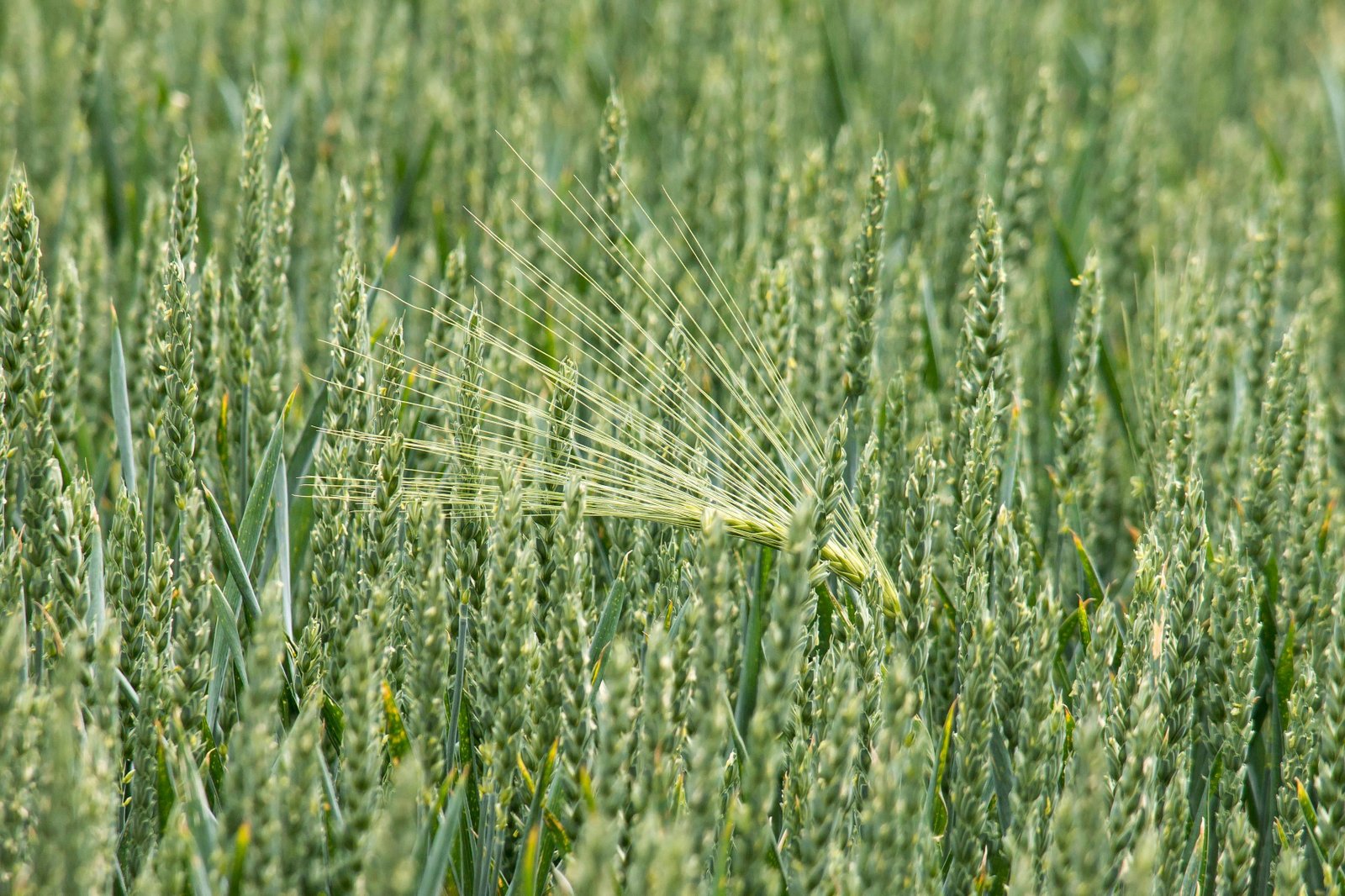
The researchers compared two treatments, grain only and grain plus forage, in four crops: barley, triticale, oat, and wheat. They tracked yield, photosynthetic and antioxidant properties, and economic benefits over three growing seasons (2021–2022, 2022–2023, and 2023–2024).
What worked and what didn't
Compared with oat, barley, and triticale, the grain plus forage treatment reduced wheat fresh matter and dry matter yields after cutting and reduced grain yield at harvest. At harvest, grain plus forage yields were lower than grain-only yields by 31.7% for fresh matter and 21.5% for dry matter.
A factor analysis based on 13 photosynthetic and antioxidant indicators ranked the seasons as season 1 > season 2 > season 3, the crops as oat > wheat > triticale > barley, and the cropping systems as grain only > grain plus forage.
What to keep in mind
The abstract says rainfall instability was the most critical natural factor limiting wider promotion of dual-purpose crop management. Other limitations are not described in the available summary.
Key points
- Oat was identified as the best crop for dual-purpose or grain-only cropping.
- Barley was identified as the best single crop for forage production.
- Grain plus forage reduced wheat post-cutting growth and grain yield at harvest.
- At harvest, grain plus forage yields were 31.7% lower for fresh matter and 21.5% lower for dry matter than grain-only yields.
- The factor analysis ranked grain-only above grain plus forage across 13 photosynthetic and antioxidant indicators.
- Rainfall instability was described as the main natural factor limiting wider promotion of dual-purpose management.
Disclosure
- Research title:
- Dual-purpose management reduced wheat yield and varied by crop
- Publication date:
- 2026-02-26
- OpenAlex record:
- View
- Image credit:
- Pexels • Pixabay · Pexels License
Get the weekly research newsletter
Stay current with peer-reviewed research without reading academic papers — one filtered digest, every Friday.