

What the study found
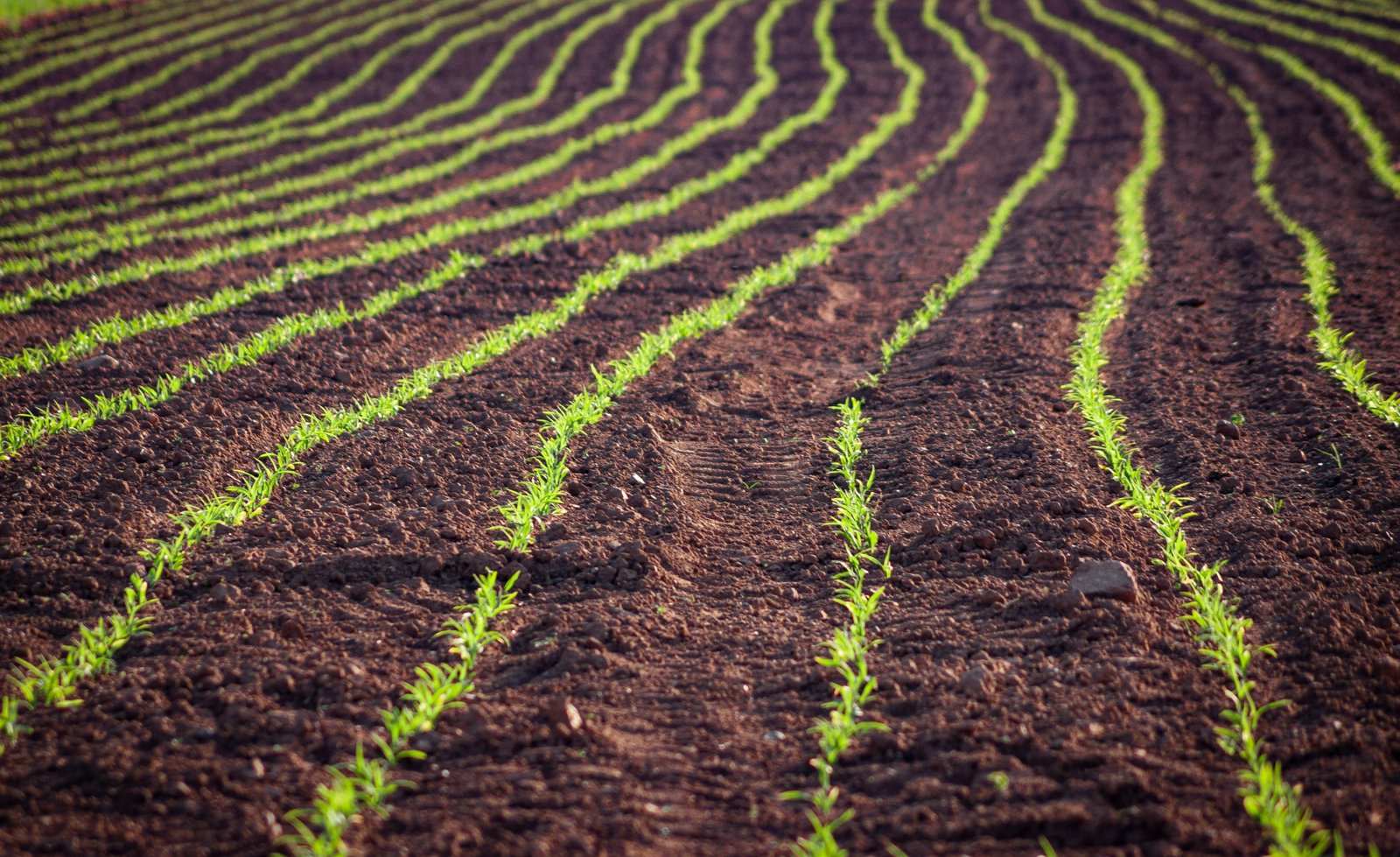
The review found that municipal solid waste compost (compost made from collected household and similar waste) was generally associated with positive agronomic effects, especially when applied at more than 30–40 t ha⁻¹. Across the studies reviewed, average yield increases were reported in arable, horticultural, and orchard systems, and soil organic matter also increased.
Why the authors say this matters
The authors say the findings support municipal solid waste compost as a potential alternative to mineral fertilizers and as a practice aligned with circular economy principles. They also suggest it may be especially relevant for degraded or saline-sodic soils.
What the researchers tested
The researchers conducted a systematic review of 114 peer-reviewed quantitative studies from Web of Science, covering papers published from 1985 to 2025. They used Latent Dirichlet Allocation, a text-analysis method for grouping themes in documents, and examined MSWC effects on crop productivity plus soil physical, chemical, and biological properties.
What worked and what didn't
The review reported average yield increases of +63.3% in arable systems, +37.3% in horticultural systems, and +23% in orchards compared with controls. Soil organic matter increased by +2.5% in field conditions and +248% in pot experiments, and in degraded or saline-sodic soils MSWC reduced electrical conductivity by up to 39% and increased organic matter by up to 45%.
What to keep in mind
Most of the studies were short-term, and only 18% lasted more than 5 years. The review also notes limited detail on compost characterization, variable compost composition, high application rates, and possible contaminants such as heavy metals and microplastics; the review itself was not registered in a public protocol database.
Key points
- The review analyzed 114 peer-reviewed quantitative studies on municipal solid waste compost.
- Positive effects were reported most consistently at application rates above 30–40 t ha⁻¹.
- Average yield gains were highest in arable systems and lower in horticultural systems and orchards.
- Soil organic matter increased in both field and pot studies, with larger changes reported in pot experiments.
- Most studies were short-term, and detailed compost characterization was often missing.
- The authors note concerns about variable compost composition and contaminants such as heavy metals and microplastics.
Disclosure
- Research title:
- Compost from municipal waste improved crop productivity and soil fertility
- Authors:
- Francesco Serafini, Ottorino-Luca Pantani, Margherita Santoni, Valentina Bertucci, Gaio Cesare Pacini
- Institutions:
- National Research Council, University of Florence, University of Florence, University of Florence, University of Florence
- Publication date:
- 2026-03-10
- OpenAlex record:
- View
- Image credit:
- Photo by Craig Cooper on Unsplash · Unsplash License
Get the weekly research newsletter
Stay current with peer-reviewed research without reading academic papers — one filtered digest, every Friday.