

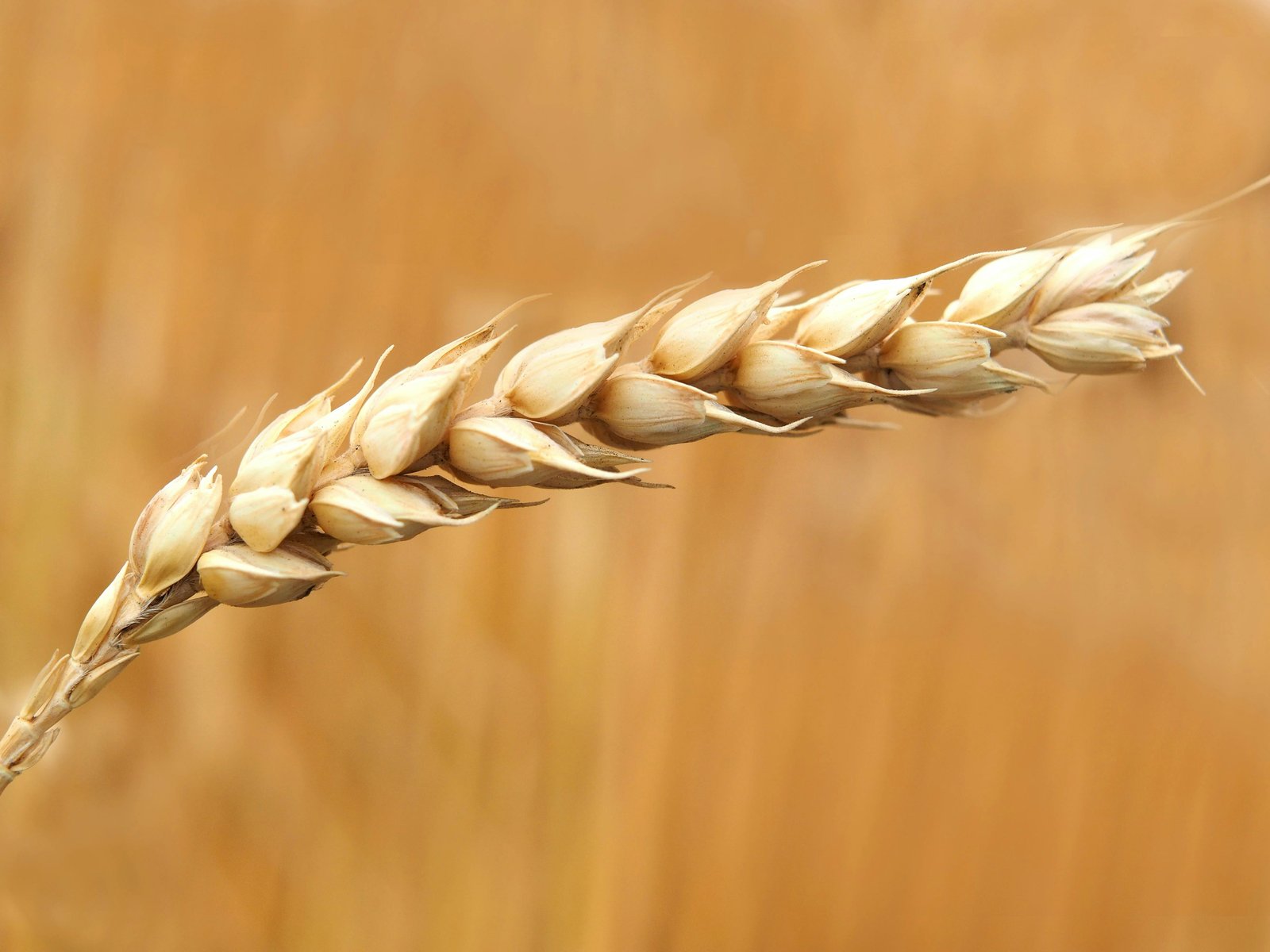
What the study found: The study found that durum wheat grain mineral and protein quality varied across varieties, nutrient management, and seasons. It also found that matching variety selection with precision nutrient management was associated with better grain nutritional quality.
Why the authors say this matters: The authors conclude that integrating genetic selection with optimized fertilization and season-responsive management practices may contribute to improving grain nutritional quality in durum wheat. They frame this as relevant to food and nutritional security.
What the researchers tested: The researchers evaluated the combined effects of varieties, nitrogen fertilization, foliar zinc and sulfur application, and seasonal variation on grain macro- and micronutrients (calcium, magnesium, potassium, and zinc) and protein content. They used a system-level approach that integrated varieties, nutrient management, and seasonal variability.
What worked and what didn't: Significant differences among varieties were observed. Durablank had the highest grain zinc concentration at 34.70 mg kg−1, compared with 23.0 mg kg−1 for MV Pelsodur and 23.8 mg kg−1 for GK Julidur, and foliar zinc and sulfur applications significantly increased grain zinc, especially in zinc-efficient varieties. Nitrogen at 100 kg ha−1 improved macronutrient accumulation by 12–20% compared with 60 kg N ha−1, and a yield–protein trade-off was observed, with MV Pelsodur at 14.3% protein and Durablank at 16.8%.
What to keep in mind: Grain calcium, magnesium, and potassium varied widely across varieties and seasons, and there were significant variety × nitrogen × season interactions. The abstract does not describe other limitations beyond this environmental and management variability.
Key points
- Durablank had the highest grain zinc concentration, at 34.70 mg kg−1.
- Foliar zinc and sulfur applications significantly increased grain zinc, especially in zinc-efficient varieties.
- Nitrogen fertilization at 100 kg ha−1 improved macronutrient accumulation by 12–20% compared with 60 kg N ha−1.
- A yield–protein trade-off was observed: MV Pelsodur had 14.3% protein, while Durablank reached 16.8%.
- Significant variety × nitrogen × season interactions suggest management effects changed across seasons.
Disclosure
- Research title:
- Genetic selection and nutrient management changed durum wheat grain quality
- Publication date:
- 2026-03-30
- OpenAlex record:
- View
- Image credit:
- Pexels • Pixabay · Pexels License
Get the weekly research newsletter
Stay current with peer-reviewed research without reading academic papers — one filtered digest, every Friday.