

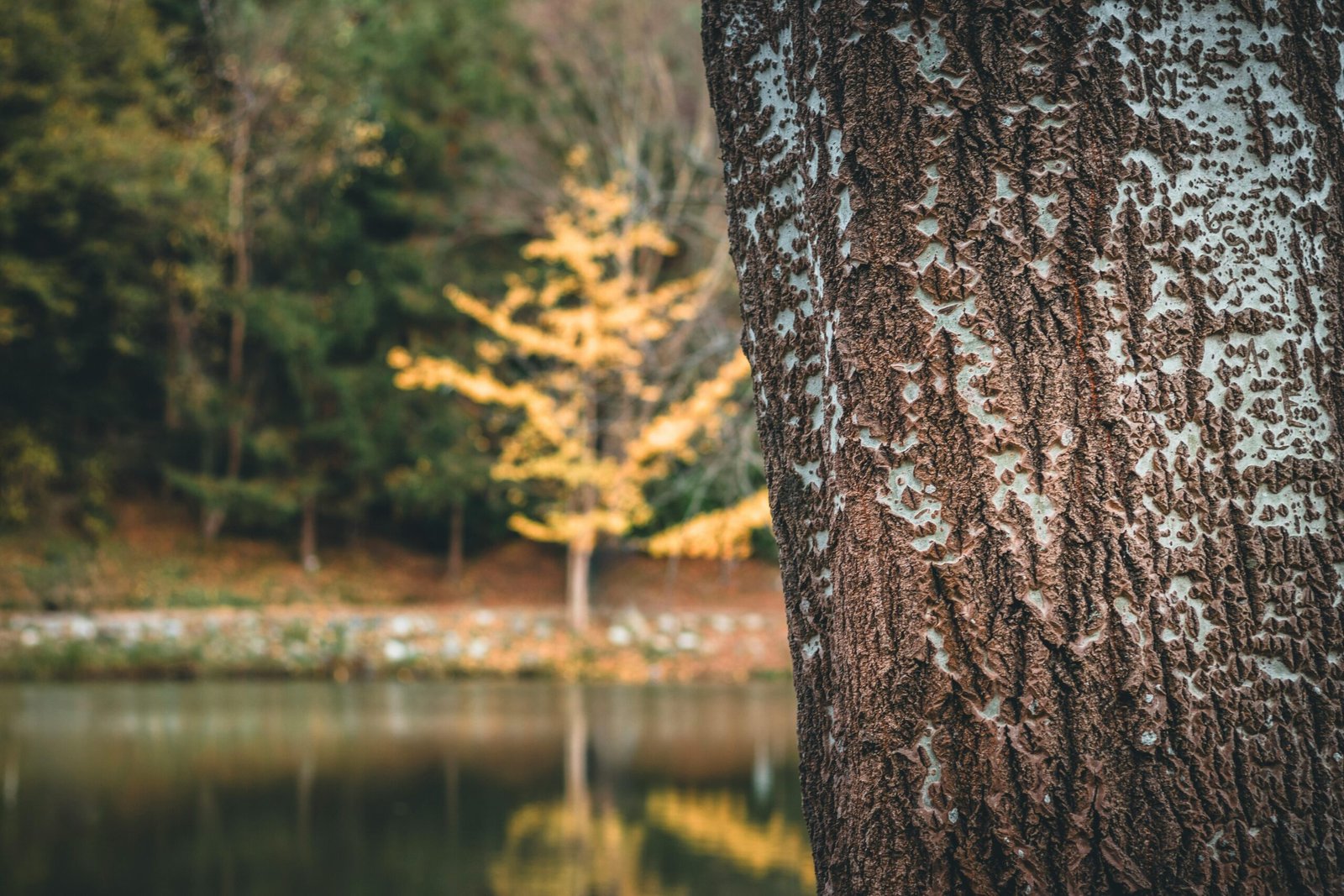
Researchers examined the microbial life living on the bark of eight common Australian tree species and found rich, specialized communities. These microbes include bacteria that cycle hydrogen and organisms that consume methane, hydrogen, and carbon monoxide under oxygen-rich conditions and produce these gases when oxygen is absent.
Laboratory microcosm tests and measurements taken in the field indicate that these tree-dwelling communities actively metabolize several climate-active gases inside tree stems at notable rates, suggesting an overlooked role in atmospheric gas cycles.
What the study examined
This work explored the tiny life forms that live on tree bark and asked who they are, what they can do, and how they interact with gases that affect the climate.
Using gene-focused and genome-resolved metagenomics—methods that identify microbes and their functions from environmental DNA—the team analyzed bark from eight common Australian tree species to map the organisms and metabolic capabilities present.
Key findings
The bark hosts abundant, specialized microbial communities adapted to changing oxygen and food conditions. Predominant bacteria were identified as hydrogen-cycling facultative anaerobes—organisms able to use hydrogen and to survive with or without oxygen.
- Methanotrophs (microbes that consume methane) were common and could coexist with hydrogenotrophic methanogens (microbes that produce methane using hydrogen).
- Laboratory microcosm experiments showed that these communities aerobically consumed methane, hydrogen, and carbon monoxide at concentrations similar to those inside living plants, and that they produced the same gases under oxygen-free conditions.
- Field measurements made in place supported the lab findings, showing active metabolism of multiple climate-active gases within tree stems at marked rates.
Why it matters
These results reveal that microbes living on and in tree stems are not passive residents but active participants in the cycling of gases that influence the atmosphere. The combination of lab experiments and in situ measurements points to a potentially substantial role for these communities in global atmospheric processes.
Understanding these interactions broadens the picture of where important gas exchanges occur in forests and highlights tree-associated microbial life as an integral part of ecosystem gas dynamics.
Disclosure
- Research title: Bark microbiota modulate climate-active gas fluxes in Australian forests
- Authors: Pok Man Leung, Luke C. Jeffrey, Sean K. Bay, Paula Gomez-Alvarez, Montgomery Hall, Scott G. Johnston, Johannes Dittmann, Elisabeth Deschaseaux, Billie Hopkins, Jasmine B. Haskell, Thanavit Jirapanjawat, Tess F. Hutchinson
- Institutions: Australian Regenerative Medicine Institute, Monash University, Southern Cross University, Ministry of Natural Resources, Fujian Institute of Oceanography
- Journal / venue: Science (2026-01-08)
- DOI: 10.1126/science.adu2182
- OpenAlex record: View on OpenAlex
- Links: Landing page
- Image credit: Photo by Ahmet AZAKLI on Pexels (Source • License)
- Disclosure: This post was generated by Artificial Intelligence. The original authors did not write or review this post.