

What the study found
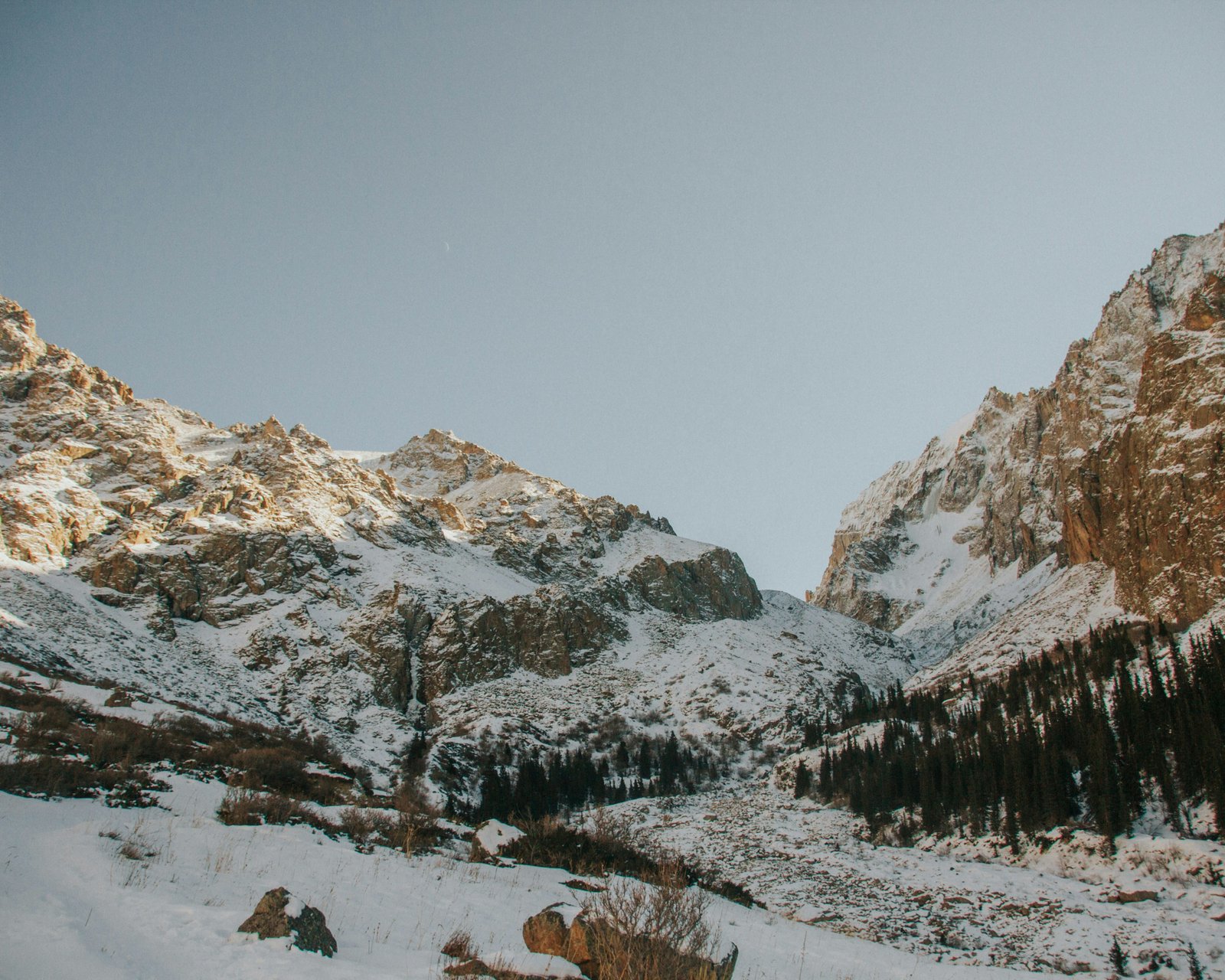
The study found that most of the 27 animal species examined are predicted to be distributed mainly in the northwest of the Altai Mountains under current conditions. In future periods, habitats in the central region may be largely lost, and many species are expected to shift toward higher altitudes or latitudes.
Why the authors say this matters
The authors conclude that, as climate change continues to alter suitable habitats, a transboundary protected area across China, Kazakhstan, Mongolia, and Russia may be needed in the central Altai Mountains. They also suggest reducing human impacts on wildlife and habitats by regulating human activities.
What the researchers tested
The researchers evaluated and predicted the distribution dynamics of 27 animal species and the resulting change in species richness in the Altai Mountains. They used the MaxEnt model, a species distribution modeling approach, for current and future periods.
What worked and what didn't
The model results showed that most species are predicted to occur mainly in the northwest under current conditions. Human activities, snow cover, and precipitation of the coldest quarter were identified as the most important predictors of potential distributions for most species.
What to keep in mind
The abstract does not describe specific model settings, future climate scenarios, or limitations of the study. The summary is limited to the 27 species and the Altai Mountains region discussed in the abstract.
Key points
- Most of the 27 species are predicted to be concentrated in the northwest of the Altai Mountains now.
- Future habitats in the central Altai Mountains may be largely lost.
- Many species are predicted to shift toward higher altitudes or latitudes.
- Human activities, snow cover, and precipitation of the coldest quarter were the main predictors for most species.
- The authors suggest a transboundary protected area across four countries and reduced human impacts.
Disclosure
- Research title:
- Mammal and bird ranges may shift uphill in the Altai Mountains
- Publication date:
- 2026-03-09
- OpenAlex record:
- View
- Image credit:
- Photo by Adilet Asilbekov on Unsplash · Unsplash License
Get the weekly research newsletter
Stay current with peer-reviewed research without reading academic papers — one filtered digest, every Friday.