

What the study found
The study found that medium-sized native mammals did not respond to the highway in the same way. The clearest highway-related change was in the Vulnerable parma wallaby, while the mountain brushtail possum was detected more often near the highway than farther into the forest.
Why the authors say this matters
The authors conclude that an occupancy approach, which estimates how likely a species is to use a site, can be used to study wildlife responses to roads. They also say further studies are needed to better understand whether major roads through conservation reserves have an adverse influence on wildlife populations.
What the researchers tested
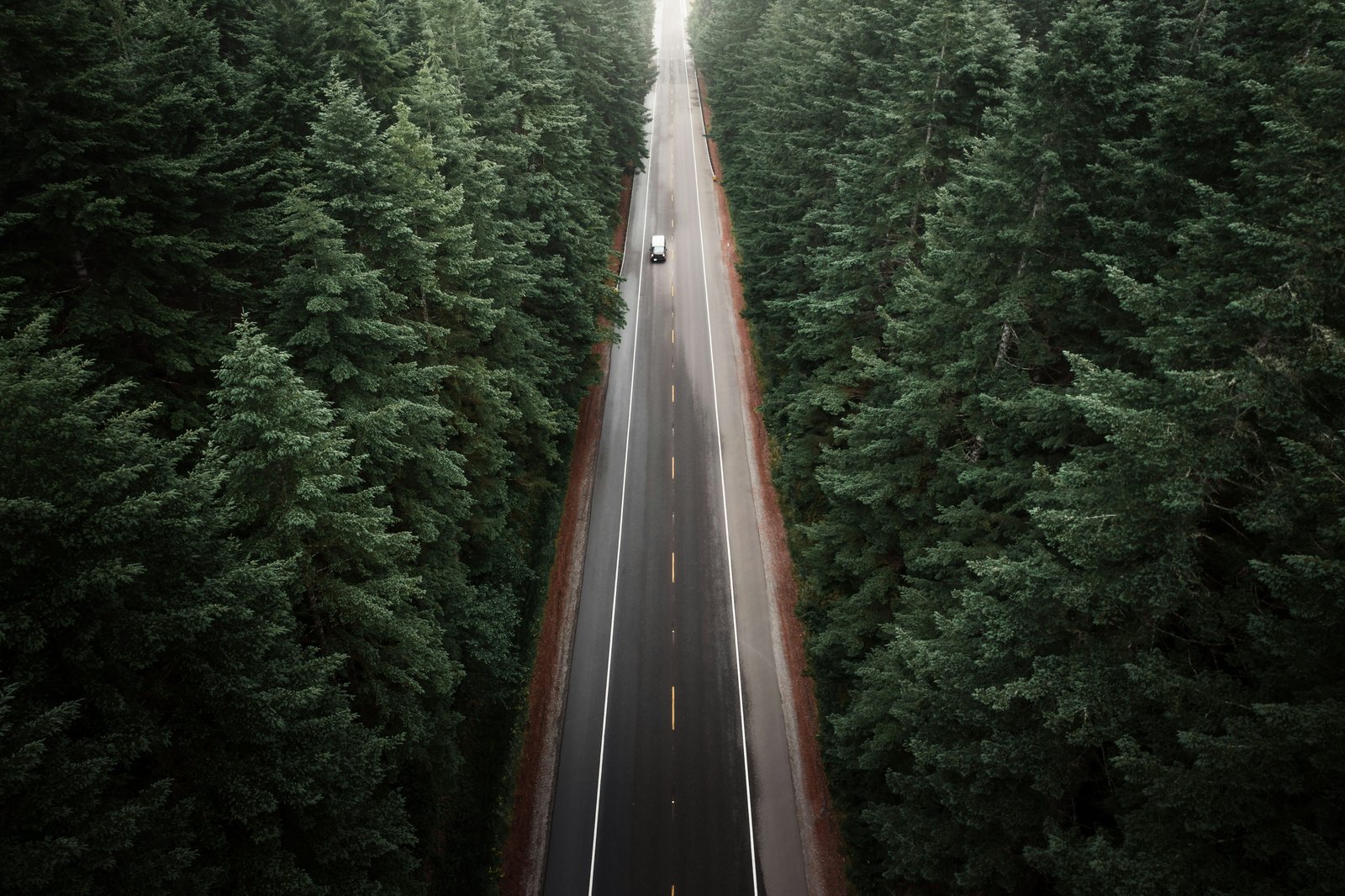
The researchers asked whether eight native mammal species were influenced by a highway through a conservation reserve in north-east New South Wales, Australia. They used camera trapping over 17 months at sites along the highway and at sites 0.5–10 km away along service roads through adjoining forest.
What worked and what didn't
Evidence for a highway response was strongest for the Vulnerable parma wallaby: occupancy rose from 0.5 at highway sites to 0.96 at sites more than 3 km into the forest interior. For the Vulnerable long-nosed potoroo and the swamp wallaby, detection increased by 10% from the highway to the forest interior, but season and recent wildfire caused greater variation in detection. The mountain brushtail possum showed higher detection near the highway than in the forest interior, and the Endangered spotted-tailed quoll was detected at many sites but too infrequently to assess its response well.
What to keep in mind
The study reports associations from one conservation reserve in north-east New South Wales, so the results may not apply everywhere. The spotted-tailed quoll was too rarely detected for a clear highway-response analysis, and the abstract does not describe other limitations.
Key points
- Camera traps were used for 17 months at highway sites and forest sites 0.5–10 km away.
- Parma wallaby occupancy was lowest at highway sites and highest more than 3 km into the forest interior.
- Long-nosed potoroo and swamp wallaby detection increased by 10% away from the highway, but season and wildfire had larger effects.
- Mountain brushtail possum detection was higher near the highway than in the forest interior.
- Spotted-tailed quoll was detected at 80% of sites but too infrequently for a clear response test.
Disclosure
- Research title:
- A highway affected occupancy in one mammal species, but not all
- Authors:
- Ross L. Goldingay, Jonathan Parkyn, Dusty McLean, Lachlan Cooper
- Institutions:
- Australian Synchrotron, Southern Cross University, Southern Cross University, Southern Cross University, Southern Cross University
- Publication date:
- 2026-03-05
- DOI:
- 10.1071/am25044
- OpenAlex record:
- View
- Image credit:
- Photo by Kirk Thornton on Unsplash · Unsplash License
Get the weekly research newsletter
Stay current with peer-reviewed research without reading academic papers — one filtered digest, every Friday.