

What the study found
Sika deer use multiple antipredator behaviors with different functions depending on social and environmental conditions. The study reports that whistling, stotting, and rump patch flaring were associated with different patterns of occurrence.
Why the authors say this matters
The authors suggest that these behaviors may serve different roles in communication and escape. They conclude that sika deer use multiple antipredator behaviors with different functions depending on the situation.
What the researchers tested
The researchers directly observed sika deer responding to a human observer approaching them. They examined whether group size, the signaler's sex and age, and season were associated with the occurrence of whistling, stotting, and rump patch flaring.
What worked and what didn't
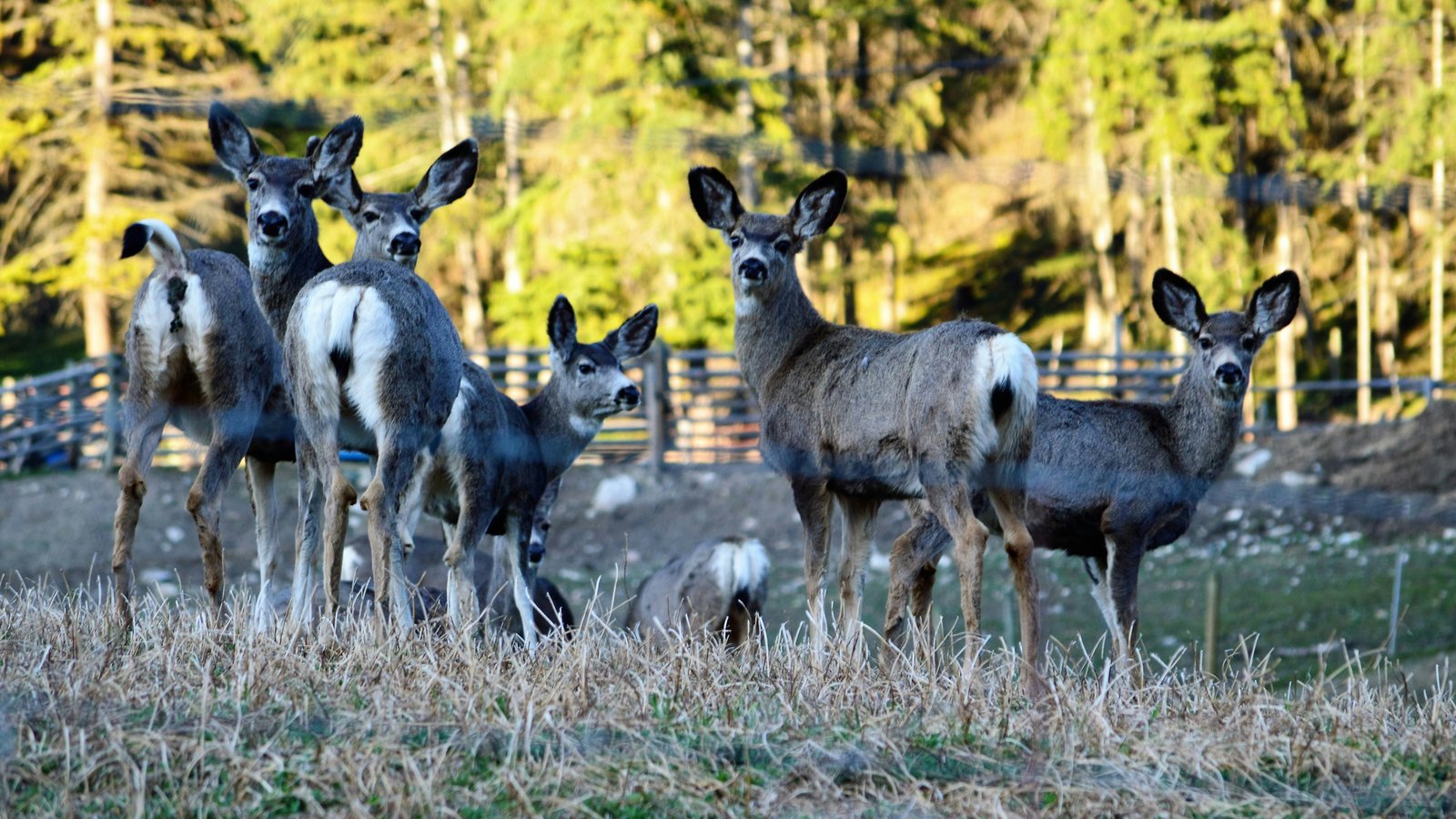
Whistling occurred more often in adult females than in males and fawns, which suggests it may function as a warning of danger to kin, especially from mothers to offspring. Stotting did not differ with group size, sex and age, or season, suggesting it may function as an effective escape gait. Rump patch flaring occurred more often in fawns than in adults, suggesting it may function as a cohesive signal from fawns to adults.
What to keep in mind
The abstract does not describe limitations in detail. The findings are based on direct observations of responses to a human approaching sika deer, so the summary is limited to the conditions studied.
Key points
- Whistling was more common in adult females than in males and fawns.
- The authors suggest whistling may warn kin, especially offspring.
- Stotting did not vary with group size, sex and age, or season.
- Rump patch flaring was more common in fawns than in adults.
- The abstract says sika deer use multiple antipredator behaviors differently depending on the situation.
Disclosure
- Research title:
- Sika deer use different antipredator behaviors in different situations
- Publication date:
- 2026-03-05
- OpenAlex record:
- View
- Image credit:
- Photo by _ Sonder_ on Unsplash · Unsplash License
Get the weekly research newsletter
Stay current with peer-reviewed research without reading academic papers — one filtered digest, every Friday.