

Overview
The paper critiques conventional frameworks applied to Mesolithic and Neolithic imagery from the Baltic Sea region, which predominantly employ hylomorphic, iconological, and transcendentalist interpretative approaches grounded in Western ontological assumptions. The study proposes an alternative analytical framework that centres animistic ontologies rather than universal categorical systems, examining material expressions as manifestations of human-animal relations within diverse regional contexts throughout the Baltic Sea across the Mesolithic to Neolithic transition.
Methods and approach
The research synthesizes theoretical perspectives from new animism scholarship with ethnographic evidence from northwestern Siberia. The 'iconography of immanentism' is employed as the primary methodological instrument for reconceptualizing archaeological imagery. This approach enables the repositioning of material culture away from symbolic or transcendental interpretation toward direct relational correspondences between human and non-human agents within specific ontological frameworks.
Key Findings
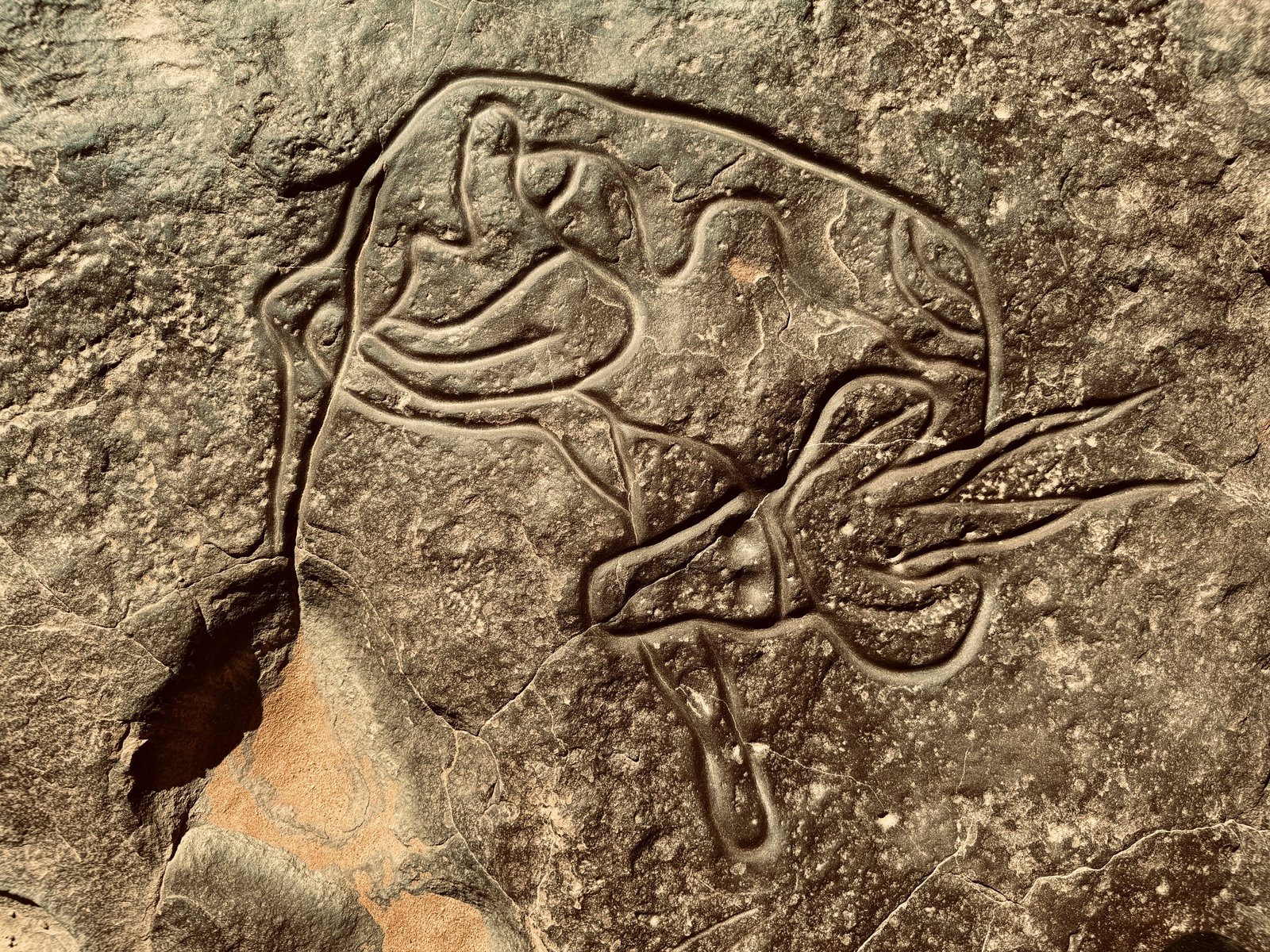
The analysis reveals that Mesolithic and Neolithic imageries of the Baltic Sea region operate as practices embedded within animistic ontologies. Rather than functioning as symbolic representations subject to universal hermeneutic principles, these imageries constitute direct engagements with superior animal beings variously configured across different Baltic Sea localities. The material evidence suggests configurations of totemic kinship relations that are contingent, mutable, and regionally differentiated rather than static across temporal and spatial scales.
Implications
The reconceptualization positions animistic ontologies as operative archaeological evidence rather than exotic or marginal interpretative frameworks. This reorientation challenges the epistemological authority of Western analytical categories in prehistoric European contexts and demonstrates their historical contingency. The findings suggest that approaches incorporating ontological pluralism provide archaeologically defensible alternative interpretations of material culture assemblages.
Disclosure
Key points
- Research title: Beyond human kinship
- Authors: Erik Solfeldt
- Institutions: Stockholm University, Studi
- Publication date: 2026-03-04
- DOI: https://doi.org/10.3828/hgr.2026.15
- OpenAlex record: View
- Image credit: Photo by Azzedine Rouichi on Unsplash (Source • License)
- Disclosure: This post was generated by Claude (Anthropic). The original authors did not write or review this post.
Disclosure
- Research title:
- Beyond human kinship
- Publication date:
- 2026-03-04
- OpenAlex record:
- View
- Image credit:
- Photo by Azzedine Rouichi on Unsplash · Unsplash License
Get the weekly research newsletter
Stay current with peer-reviewed research without reading academic papers — one filtered digest, every Friday.