

What the study found
Woodland dormice were more often associated with well-connected, denser vegetation in a riverine forest, and they used trunks and canopies more frequently. The study also found that dormice were less captured in winter and in places where only same-sex individuals were present.
Why the authors say this matters
The authors say the findings show the importance of riverine Combretum forest structure for dormouse microhabitat use and selection. They suggest management practices may help maintain dormouse populations, including avoiding vegetation gaps larger than 50% per 100 m2 while balancing changes to forest density and structure.
What the researchers tested
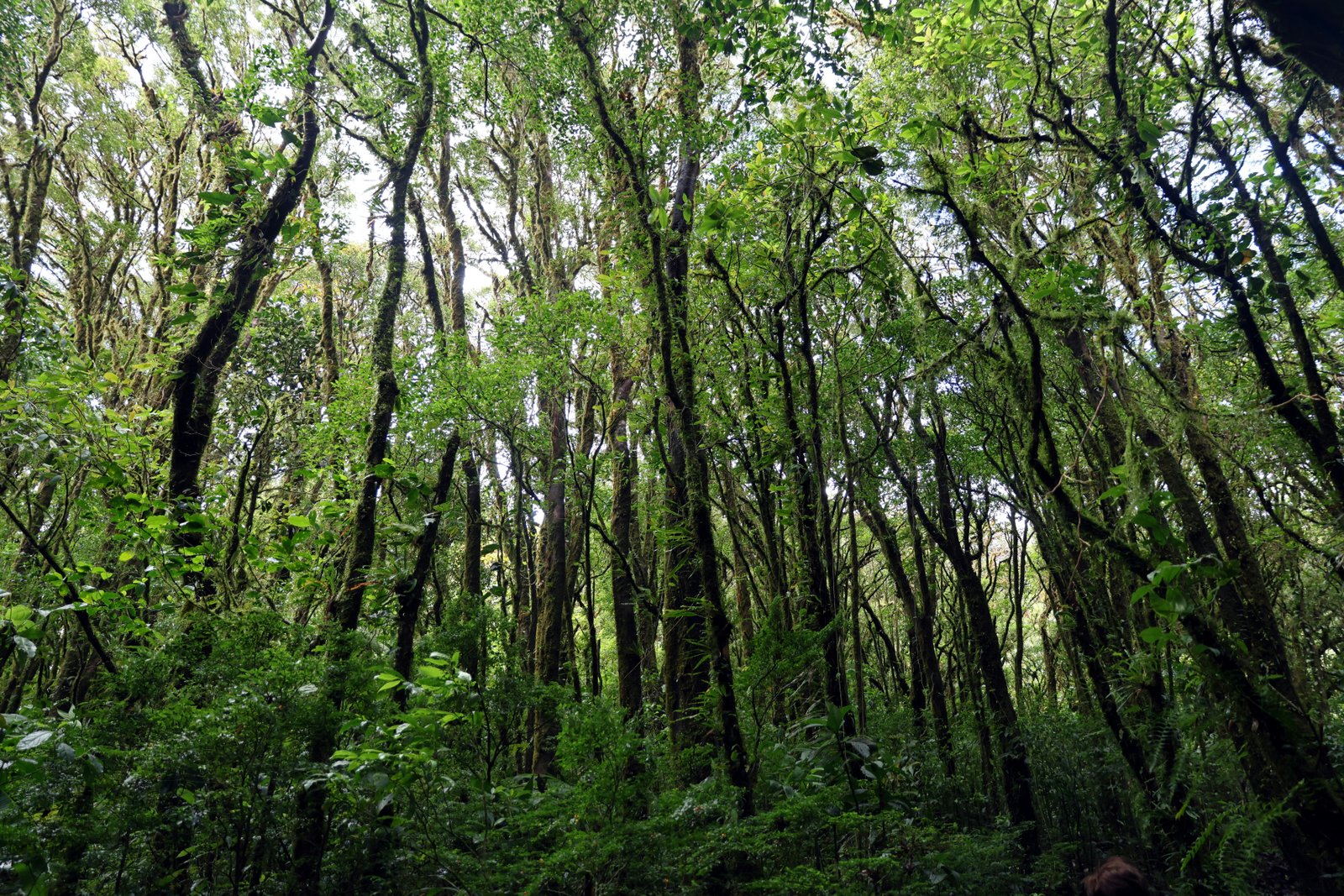
The researchers studied woodland dormice (Graphiurus murinus), a small arboreal rodent, in a riverine Combretum forest in South Africa. They collected capture–mark–recapture data across four seasons and used a grid of 192 traps at different heights, then analyzed microhabitat use with generalized linear models, generalized mixed models, and comparative tests.
What worked and what didn't
Microhabitats with more dormouse neighbors and with animals that had longer residency time were used more often. Dormice also favored more connected areas, as well as trunks and canopies, and they tended to use higher, denser, and more connected vegetation cover. They predominantly used Combretum caffrum, Rhus spp., and Gymnosporia heterophylla, and they preferred the latter two tree species.
What to keep in mind
The abstract does not describe experimental manipulation, so the study is observational. It is focused on one species in one riverine forest in South Africa, so the available summary does not show how broadly the findings apply beyond that setting.
Key points
- Dormice were more often linked to well-connected, denser vegetation in the riverine forest.
- They were less captured in winter and where only same-sex individuals were present.
- More dormouse neighbors and longer residency time were associated with greater microhabitat use.
- The species used trunks and canopies more often than other microhabitat features.
- The authors suggest avoiding vegetation gaps larger than 50% per 100 m2 to help maintain populations.
Disclosure
- Research title:
- Woodland dormice favored connected, dense riverine forest areas
- Authors:
- Ana Galantinho, Emmanuel Do Linh San, Siviwe Lamani, Filipe Carvalho, Zimkitha J. K. Madikiza
- Institutions:
- Sol Plaatje University, University of Fort Hare, University of Fort Hare, University of Fort Hare, University of Fort Hare, University of Minho, University of the Witwatersrand
- Publication date:
- 2026-02-26
- OpenAlex record:
- View
- Image credit:
- Photo by Frank Eiffert on Unsplash · Unsplash License
Get the weekly research newsletter
Stay current with peer-reviewed research without reading academic papers — one filtered digest, every Friday.