

What the study found
The study found that eight agronomic traits in durum wheat showed significant genotypic variation and different inheritance patterns in the F1 and F2 generations. Plant height was mainly influenced by additive gene action, while several yield-related traits showed non-additive inheritance and overdominance, especially in early generations.
Why the authors say this matters
The authors conclude that these results support different breeding approaches for different traits. They suggest pedigree selection for additive traits in early generations and recurrent or advanced-generation selection for yield components to optimize durum wheat improvement under semi-arid Mediterranean conditions.
What the researchers tested
The researchers used Hayman's diallel analysis, a breeding method for studying how traits are inherited, in a 4 × 4 half-diallel mating design. They evaluated F1 and F2 progenies in field trials at the INRAA experimental station in Sétif, Algeria, during the 2021-2022 and 2023-2024 growing seasons.
What worked and what didn't
Plant height showed predominantly additive gene action. Spike length and number of grains per spike shifted from overdominance in F1 to partial dominance in F2, suggesting stronger additive effects after recombination. Spike weight, number of spikes per plant, and grain yield showed persistent non-additive inheritance and overdominance across generations, which the authors describe as limiting early-generation selection efficiency. Dominance effects were significant in F1 but weaker in F2 for most traits, and allele distribution was asymmetric.
What to keep in mind
The abstract does not describe specific limitations of the study. Its findings are based on one half-diallel design, two growing seasons, and field trials at a single experimental station, so the summary provided here is limited to that scope.
Key points
- Eight agronomic traits in durum wheat showed significant genotypic variation.
- Plant height was mainly controlled by additive gene action.
- Spike length and grains per spike changed from overdominance in F1 to partial dominance in F2.
- Spike weight, spikes per plant, and grain yield showed persistent non-additive inheritance across generations.
- High broad-sense heritability and variable narrow-sense heritability suggested generation-specific breeding strategies.
Disclosure
- Research title:
- Durum wheat traits showed different inheritance patterns across generations
- Authors:
- Insaf Bentouati, Abderrahmane Hannachi, Zine El Abidine Fellahi, Abdelhamid Mekhlouf, Aleksandra O. Utkina, Mohamed S. Shokr, Nazih Y. Rebouh
- Institutions:
- Institut National de la Recherche Agronomique d'Algérie, Peoples' Friendship University of Russia, Peoples' Friendship University of Russia, Tanta University, University Ferhat Abbas of Setif, University Ferhat Abbas of Setif, University Ferhat Abbas of Setif, University Mohamed El Bachir El Ibrahimi of Bordj Bou Arreridj
- Publication date:
- 2026-02-24
- OpenAlex record:
- View
- Image credit:
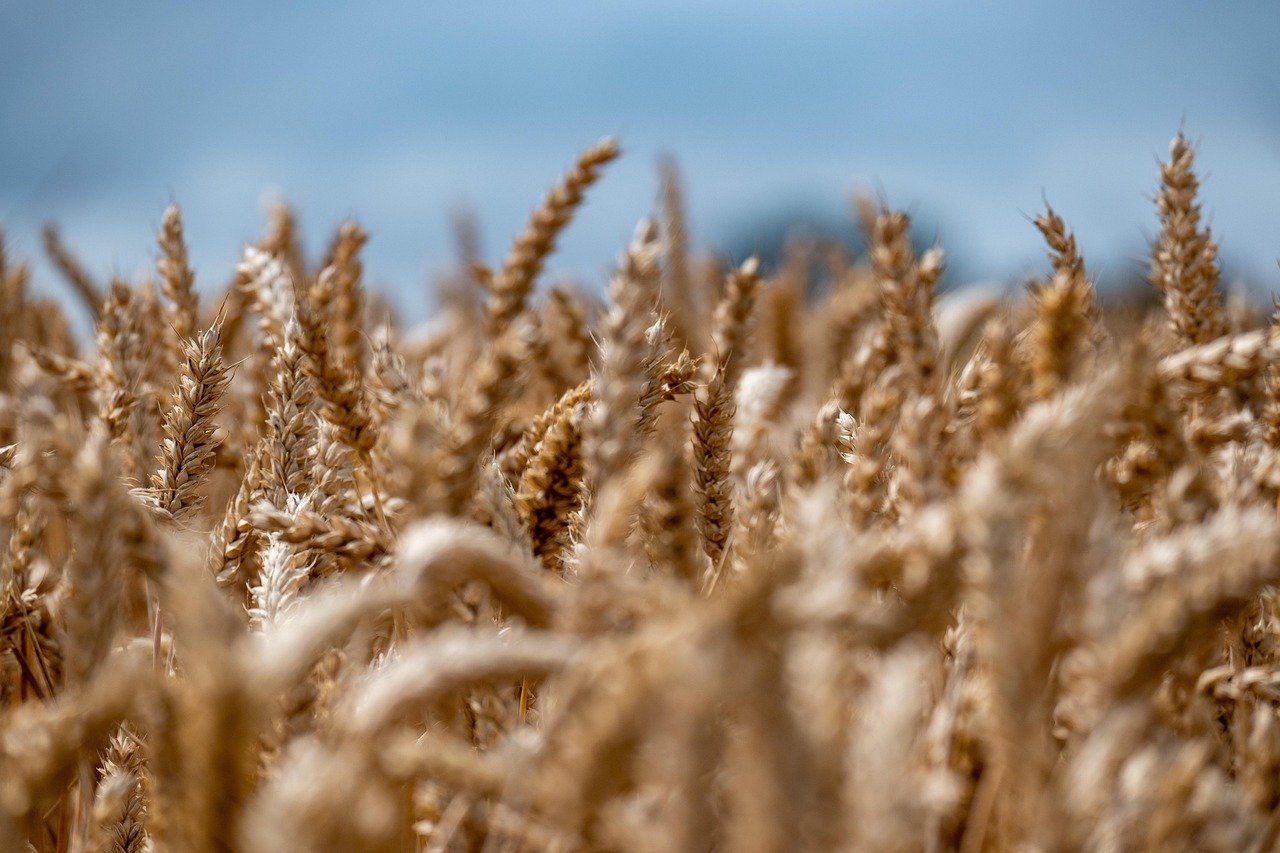
- Pixabay • lhannemann · Pixabay License
Get the weekly research newsletter
Stay current with peer-reviewed research without reading academic papers — one filtered digest, every Friday.