

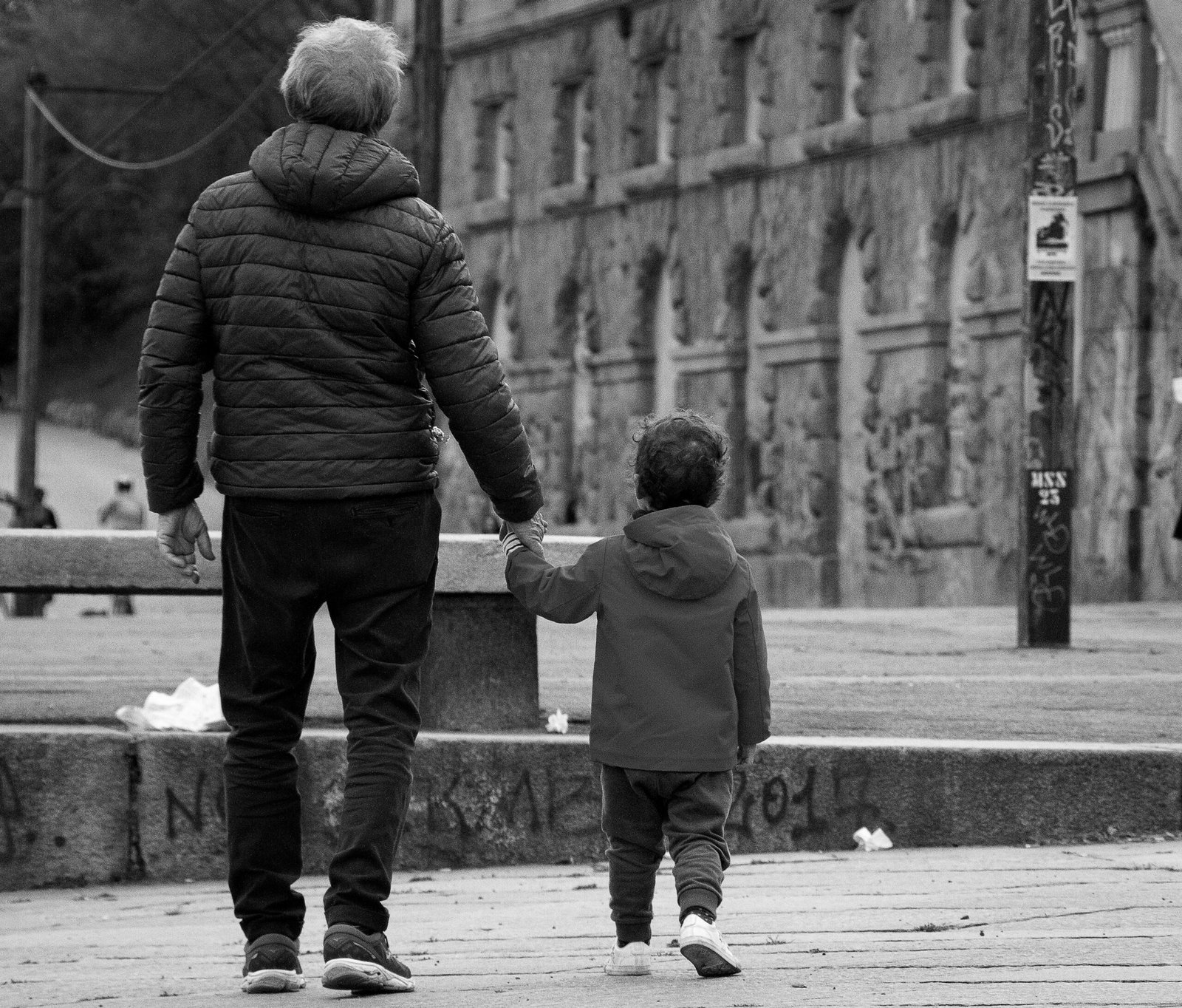
This study explores how children experience moves between parents' homes after separation. It reports five factors that shape those moves: changeover locations, routines and rituals, containers, objects, and people.
Interviews with separated parents revealed varied practices—public handover spots, visual timetables, comfort items, calming routines—and the supporting roles of siblings and grandparents. Findings point to practical steps that professionals in family law and child-serving settings can consider when supporting children during these changes.
What the study examined
This research looked at the practical, emotional, and relational aspects of how children move between parents’ homes after separation. The authors focused on five contextual factors that shape how parents and children experience and interpret those movements: changeover locations, routines and rituals, transitional containers, transitional objects, and transitional people.
Data came from in-depth interviews with a purposive sample of separated parents. Participants described how everyday practices and supports influenced children’s wellbeing during handovers and ongoing arrangements.
Key findings
Parents used a mix of locations, routines and aids to manage handovers. Some preferred public spaces for changeovers because they felt safer or more comfortable than using either parent’s home. Other parents relied on predictable routines and small rituals to make shifts less disruptive.
- Changeover locations: Settings ranged from homes to public places, with choices shaped by comfort and perceived safety.
- Routines and rituals: Visual timetables, calming sequences and consistent handover practices helped give children predictability.
- Transitional containers and objects: Carry bags, comfort items and specific belongings were used to create continuity for children between homes.
- Transitional people: Siblings and grandparents often provided emotional support and continuity during moves.
The interview sample included parents experiencing various levels of conflict and different parenting time arrangements. The accounts highlighted both practical strategies and relational work that parents do to support children’s emotional wellbeing during changes.
Why it matters
Findings offer practical insights for professionals who work with separated families. Family law system staff can use this information to better understand the small but meaningful elements that shape children’s experiences during handovers.
Staff in elementary schools, kindergartens, foster care and child day-care may also find the results relevant when supporting children’s initial and ongoing moves to and from these settings. The study highlights how simple tools and supportive people can contribute to continuity and emotional ease for children during times of change.
Disclosure
- Research title: From here to there and the in‐between: Children's transitions between homes after parental separation
- Authors: Bruce Smyth, Megan Reid Hobbs, Jan Stokkebekk
- Institutions: Australian National University, University of Bergen
- Journal / venue: Family Court Review (2026-01-14)
- DOI: 10.1111/fcre.70047
- OpenAlex record: View on OpenAlex
- Links: Landing page • PDF
- Image credit: Image source: UNSPLASH (Source • License)
- Disclosure: This post was generated by Artificial Intelligence. The original authors did not write or review this post.