

What the study found
The study argues that Heartfulness meditation spaces can be understood as places where physical design and inner experience work together. It presents a four-part model — shape, energy, routine, and meaning — to describe how buildings, moods, daily rituals, and shared beliefs develop together over time.
Why the authors say this matters
The authors conclude that this approach may help guide the design of healing spaces that also account for environmental care. They suggest that when buildings on a Heartfulness site reflect the movement's core beliefs, they support calm, unity, and respect for nature.
What the researchers tested
The study uses a conceptual approach informed by writings on healing design, quiet spaces, mind-environment links, and Heartfulness practices, along with observations from Heartfulness centres. It examines how shapes, materials, light, sound, comfort, greenery, movement paths, meaning, community use, and eco-choices are discussed together in relation to quiet indoor experience.
What worked and what didn't
The article says the site observations and conceptual framing support the idea that material layouts and deeper human layers meet intentionally in these settings. It also suggests that combining space studies with personal experience is more useful than theory alone, and that design should align places more closely with inner goals.
What to keep in mind
The abstract describes a conceptual study rather than a direct experimental test. It does not provide detailed quantitative results, and limitations are not described in the available summary.
Key points
- The paper presents a four-part model: shape, energy, routine, and meaning.
- It treats Heartfulness meditation spaces as settings where physical layout and inner experience interact.
- The authors connect design features such as light, sound, greenery, and movement paths with quiet indoor experience.
- The study uses conceptual writing plus observations from Heartfulness centres.
- The abstract does not report detailed quantitative results or specific limitations.
Disclosure
- Research title:
- Heartfulness architecture links physical design with lived experience
- Publication date:
- 2026-02-24
- OpenAlex record:
- View
- Image credit:
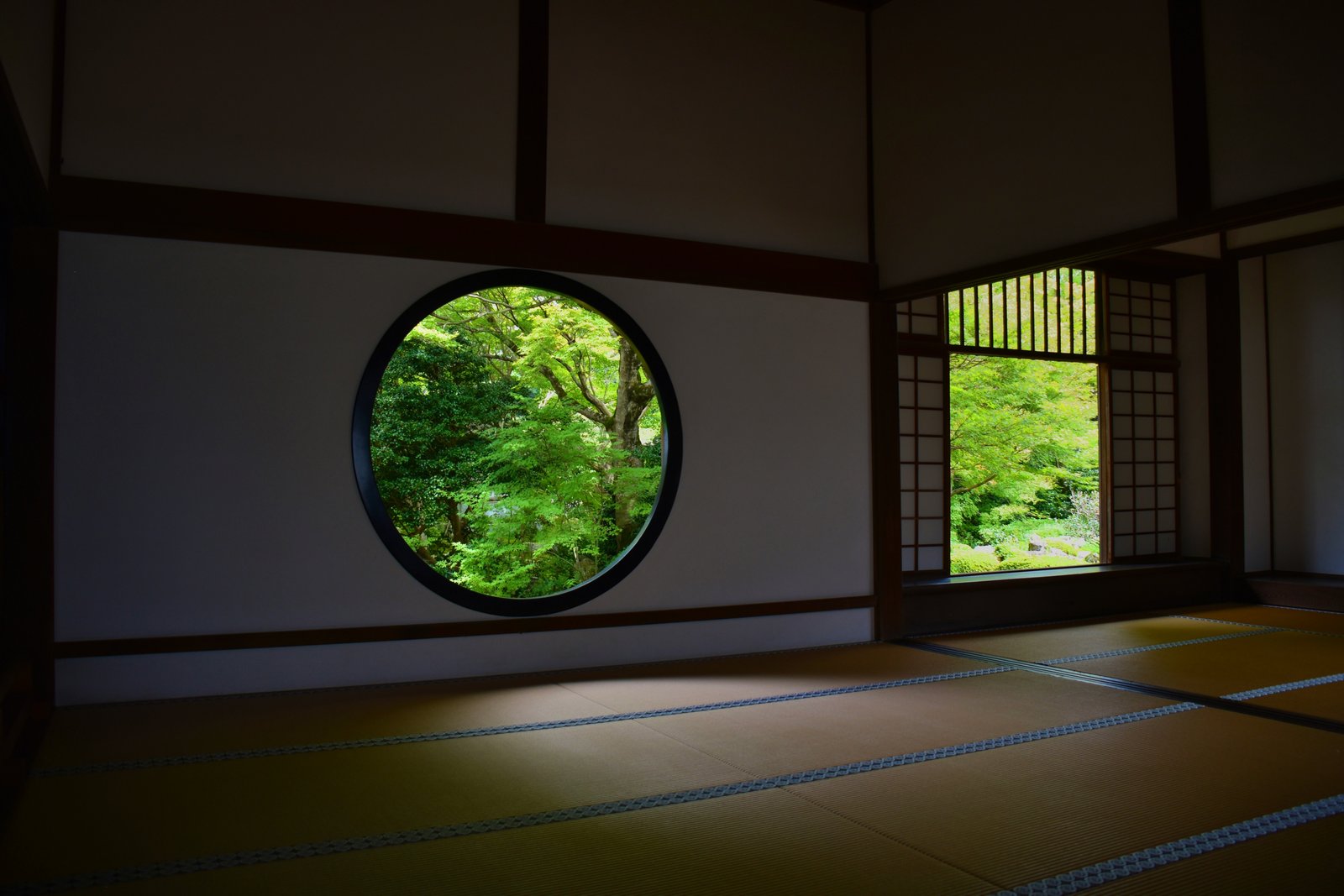
- Photo by Sunao Noguchi on Unsplash · Unsplash License
Get the weekly research newsletter
Stay current with peer-reviewed research without reading academic papers — one filtered digest, every Friday.