

Overview
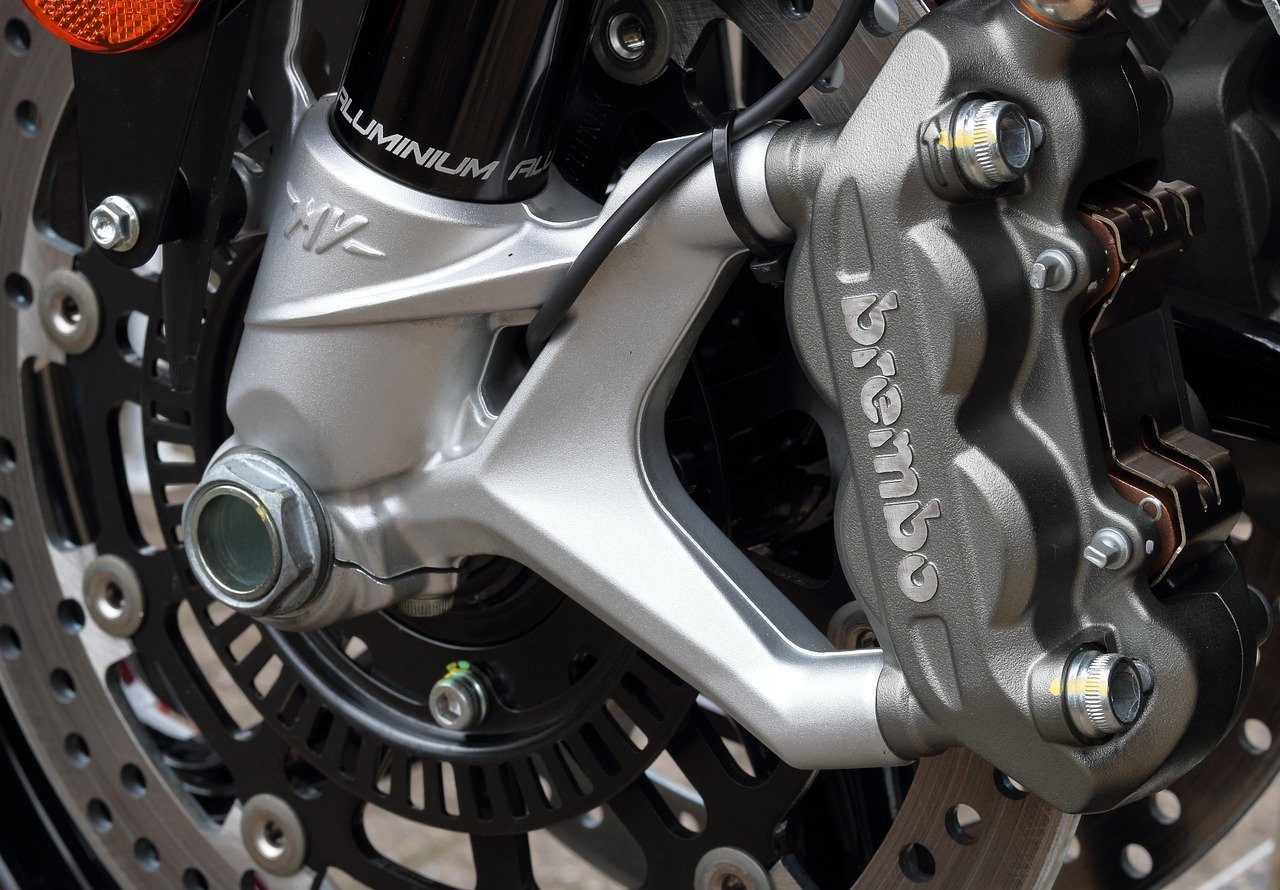
This research investigates the tribological performance of alumina-coated ventilated disc brakes compared to conventional gray cast iron disc brakes under varied operational parameters. The study addresses the critical requirement for stable and high-performance friction coefficients across different temperature ranges and operating conditions in automotive braking systems. The investigation applies a 3 vol% alumina coating to disc brake surfaces paired with brake pads containing 0.5 vol% alumina, examining performance against uncoated commercial gray cast iron discs paired with the same pad formulation. Experimental parameters encompass sliding speeds ranging from 150 to 600 rpm, initial braking temperatures from 40°C to 130°C, brake oil pressures between 2.5 and 10 bar, and a standardized braking duration of 60 seconds. The research responds to ongoing efforts to enhance brake system efficiency, reduce particulate emissions from brake wear, and extend component service life through surface engineering approaches.
Methods and approach
The experimental methodology employs a ventilated disc brake system subjected to systematic variation of operational parameters to evaluate tribological characteristics. Test conditions include four discrete sliding speeds (150, 300, 450, and 600 rpm), four initial braking temperatures (40, 70, 100, and 130°C), and four brake oil pressure levels (2.5, 5, 7.5, and 10 bar), with a constant braking time of 60 seconds across all trials. The primary experimental comparison involves coated disc brake specimens with 3 vol% alumina applied to the braking surface paired with brake pads containing 0.5 vol% alumina, benchmarked against commercial gray cast iron disc brakes paired with identical brake pad formulations. Performance metrics include coefficient of friction, braking force, and final operating temperature. The coating approach represents a surface modification strategy intended to alter the tribological interface between disc and pad materials. The experimental design facilitates isolation of coating effects across temperature regimes and mechanical loading conditions representative of actual braking scenarios.
Key Findings
Experimental findings demonstrate improved coefficient of friction and braking force for alumina-coated disc specimens compared to uncoated gray cast iron discs when paired with brake pads containing 0.5 vol% alumina. The 3 vol% alumina coating on disc surfaces yields measurable performance enhancement across the range of tested operational parameters, including varied sliding speeds, initial temperatures, and brake oil pressures. A notable thermal consequence of the coating is observed, with coated discs exhibiting relatively higher final operating temperatures compared to commercial uncoated discs under equivalent braking conditions. This temperature differential indicates altered heat dissipation characteristics or modified friction mechanisms at the disc-pad interface. The performance improvements occur despite the elevated thermal regime, suggesting that the alumina coating maintains tribological effectiveness at higher operating temperatures. The consistency of friction coefficient enhancement across multiple operational parameters indicates that the coating provides stable tribological behavior under diverse braking scenarios.
Implications
The demonstrated performance enhancement of alumina-coated disc brakes has implications for automotive brake system design and materials selection strategies. The improved coefficient of friction and braking force suggest potential for reduced stopping distances or lower actuation pressures to achieve equivalent braking performance, though the elevated final operating temperatures require consideration in thermal management design. The coating approach offers an alternative to complete material substitution, potentially extending the service life of gray cast iron components through surface modification. The results contribute to the broader research direction addressing brake wear particulate emissions, as modified surface tribology may influence wear particle generation rates and characteristics. The stability of friction performance across varied operational parameters indicates robustness of the coating approach under realistic duty cycles. Further investigation is warranted regarding coating durability under extended cyclic loading, thermal fatigue resistance, and long-term adhesion characteristics. The methodology establishes a framework for evaluating alternative coating compositions and application techniques in brake system tribology.
Disclosure
Key points
- Research title: CHARACTERISTICS OF THE DISC BRAKE COATING
- Authors: Ibrahim Ahmed, Sayed Saad, Ahmed A. A. Saad, Yasser Fatouh, Khaled Abdel Wahed
- Publication date: 2026-02-26
- DOI: https://doi.org/10.11113/jurnalteknologi.v88.24259
- OpenAlex record: View
- Image credit: Photo by 2427999 on Pixabay (Source • License)
- Disclosure: This post was generated by Claude (Anthropic). The original authors did not write or review this post.
Disclosure
- Research title:
- CHARACTERISTICS OF THE DISC BRAKE COATING
- Publication date:
- 2026-02-26
- OpenAlex record:
- View
- Image credit:
- Pixabay • 2427999 · Pixabay License
Get the weekly research newsletter
Stay current with peer-reviewed research without reading academic papers — one filtered digest, every Friday.