

Overview
The work addresses the integration of evidence-based mental health and psychosocial support interventions for children experiencing conflict-related trauma across multiple service delivery systems. The analysis identifies critical gaps between efficacy evidence and implementation capacity in fragile and conflict-affected settings, emphasizing the necessity of systems strengthening approaches to operationalize existing interventions at scale.
Methods and approach
The analysis employs a systems-strengthening framework to evaluate implementation barriers and enablers for mental health interventions across health, education, and social protection sectors. The approach integrates evidence on intervention efficacy with pragmatic assessment of implementation feasibility, workforce capacity, intersectoral coordination mechanisms, and resource allocation strategies in low-resource conflict-affected contexts.
Key Findings
The analysis identifies substantial gaps between available evidence-based interventions and their actual implementation reach among conflict-affected children. Critical barriers include insufficient workforce capacity, weak intersectoral coordination, limited integration of mental health components within existing service platforms, inadequate financing mechanisms, and insufficient adaptation of interventions for context-specific cultural and structural factors. The work demonstrates that expanding access requires concurrent attention to systems-level factors including workforce development, organizational infrastructure, financing mechanisms, and governance structures that enable sustained service delivery.
Implications
Implementation and systems strengthening represent essential complementary activities to evidence generation for advancing mental health service delivery in fragile and conflict-affected settings. Organizations and policymakers must prioritize integration of mental health and psychosocial support within existing health, education, and social protection systems rather than developing parallel standalone programs. This approach requires substantial investment in workforce capacity building, intersectoral governance frameworks, and sustainable financing mechanisms adapted to fragile state contexts.
Disclosure
Key points
- Research title: Evidence based mental health interventions for children in fragile and conflict affected settings: expanding reach and system strengthening
- Authors: Serhat Yildirim, Maria Alejandra Gutierrez-Torres, William Byansi, Peter Ventevogel, Tania Bosqui, Theresa S. Betancourt
- Publication date: 2026-02-24
- DOI: https://doi.org/10.1136/bmj-2025-086043
- OpenAlex record: View
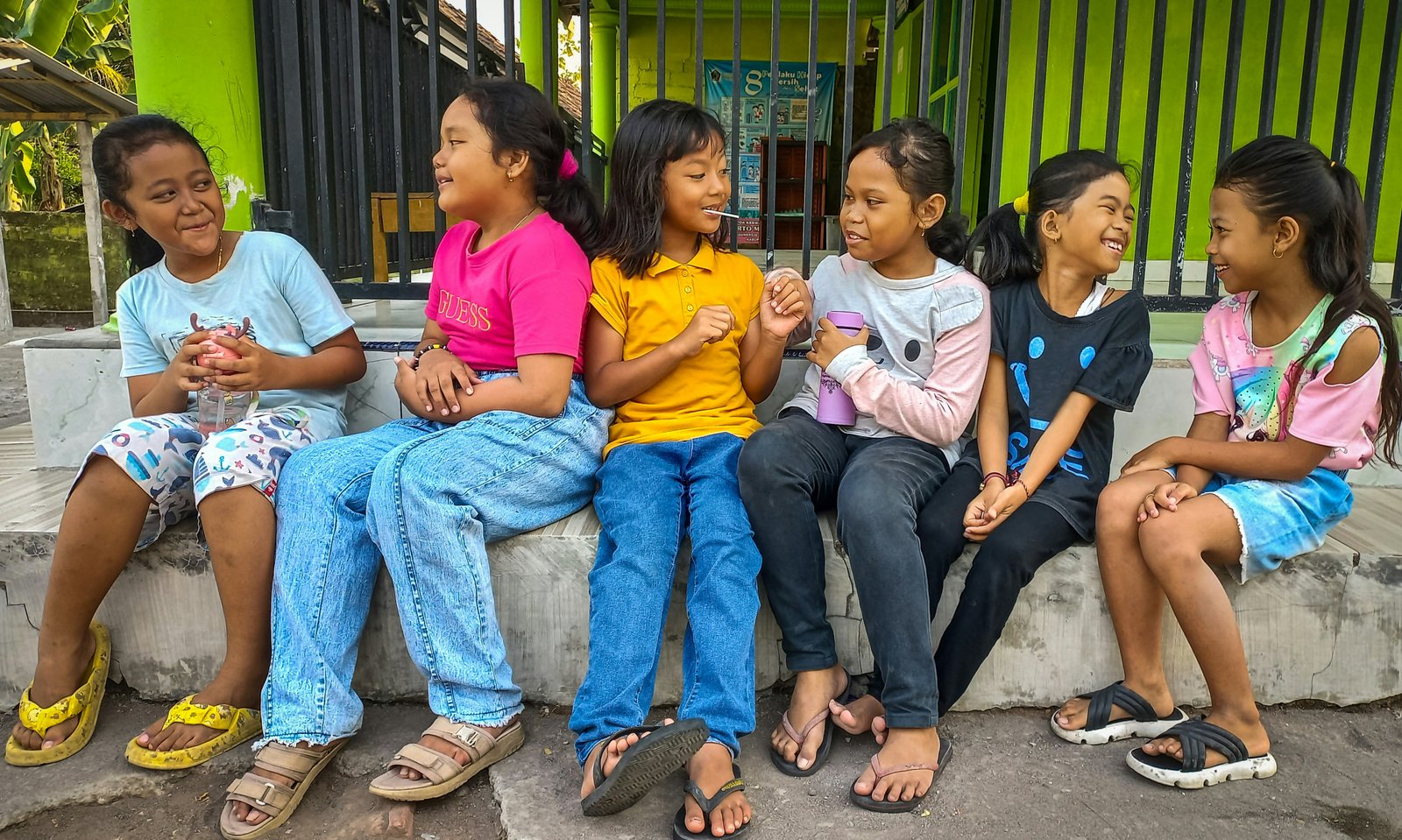
- Image credit: Photo by Isse Anarika on Unsplash (Source • License)
- Disclosure: This post was generated by Claude (Anthropic). The original authors did not write or review this post.
Disclosure
- Research title:
- Evidence based mental health interventions for children in fragile and conflict affected settings: expanding reach and system strengthening
- Publication date:
- 2026-02-24
- OpenAlex record:
- View
- Image credit:
- Photo by Isse Anarika on Unsplash · Unsplash License
Get the weekly research newsletter
Stay current with peer-reviewed research without reading academic papers — one filtered digest, every Friday.