

About This Article
This is an AI-generated summary of a research paper. The original authors did not write or review this article. See full disclosure ↓
Overview
This study examines communication strategies employed by the non-governmental organization Shushilan for disaster risk reduction in Satkhira, Bangladesh, a coastal district experiencing recurrent natural disasters including cyclones, flooding, saline intrusion, waterlogging, and riverbank erosion. Bangladesh's geographical position renders it among the most vulnerable nations to climate change impacts, necessitating effective communication approaches to enhance risk awareness, preparedness, and community resilience. The research focuses on how participatory and two-way communication methods can be utilized to integrate scientific knowledge with local experience in disaster-prone communities. The investigation addresses the role of communication as a capacity-building process rather than mere information exchange in fostering enduring resilience at the grassroots level.
Methods and approach
A qualitative case study methodology was implemented, drawing data from 100 respondents and 10 key informant interviews with organizational officials from Shushilan. The research employed content analysis to assess disaster-related communications, examining training materials, program documents, and communication channels utilized by the organization. This multi-method approach allowed for evaluation of the nature and effectiveness of communication approaches deployed in the Satkhira context, capturing both institutional perspectives through key informant interviews and community-level responses through the broader respondent sample.
Results
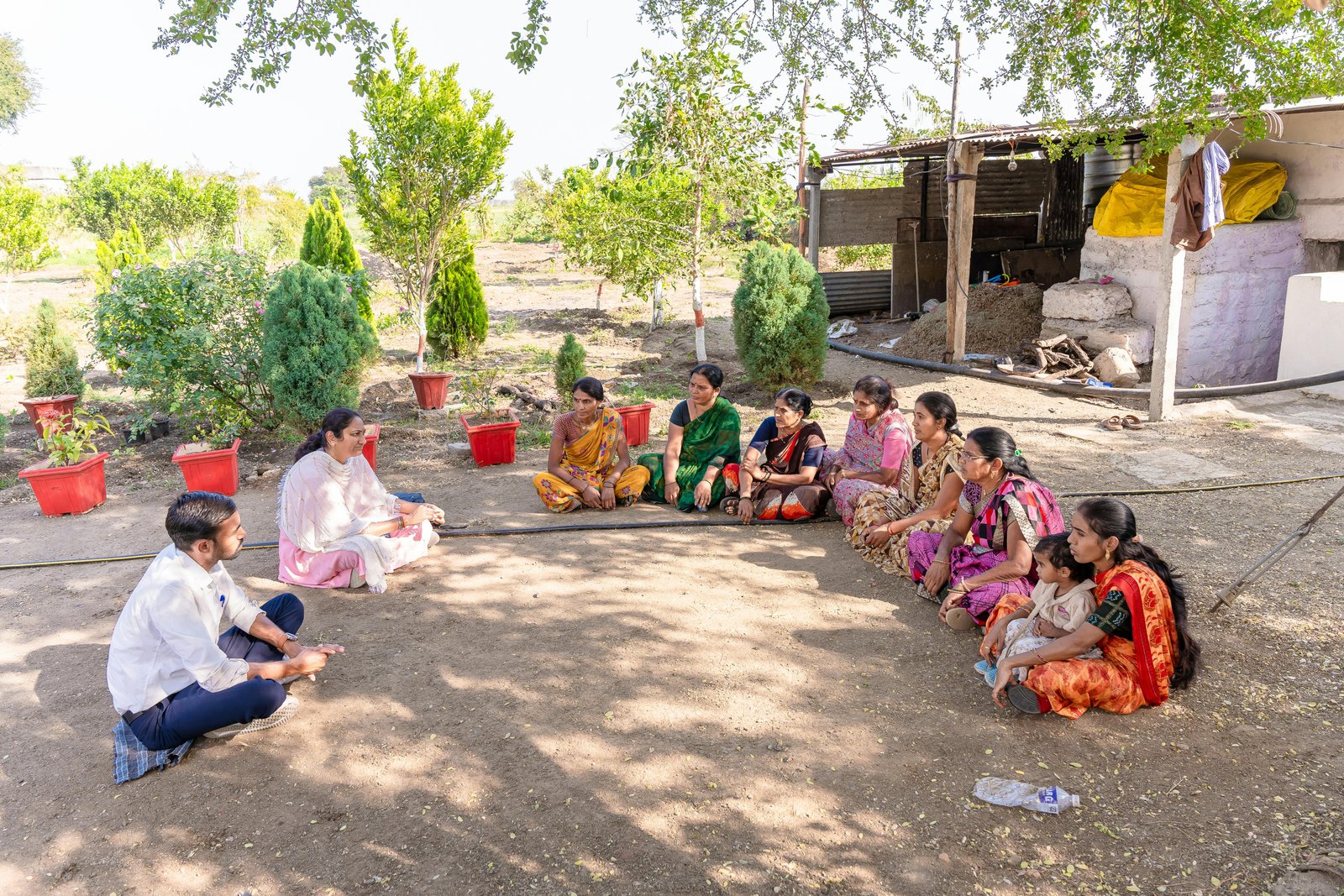
The findings indicate that Shushilan's participatory and two-way communication approaches significantly enhance community preparedness and adaptive capability when implemented effectively. The organization's use of local language for awareness initiatives, combined with community gatherings and folk and local media, successfully integrates scientific knowledge with personal experience among target populations. These communication methods demonstrate effectiveness in enhancing awareness, fostering community unity, and promoting disaster preparedness at the grassroots level. However, the study identifies significant constraints including project duration limitations, financial resource restrictions, and infrastructure barriers that limit the sustainability and scope of communication interventions in the region.
Implications
The research establishes that communication functions as a developing process that builds capacity, fosters cooperation, and constructs enduring resilience in disaster-prone regions rather than serving merely as information transmission. The effectiveness of culturally appropriate communication channels, particularly folk and local media combined with participatory approaches, suggests pathways for strengthening disaster risk reduction initiatives in vulnerable coastal communities. The identified constraints related to project duration, funding, and infrastructure indicate systemic challenges that must be addressed to ensure the sustainability and scalability of communication-based disaster risk reduction interventions. These findings have relevance for non-governmental organizations, disaster management practitioners, and policymakers working in climate-vulnerable regions where effective risk communication is essential for community resilience.
Disclosure
- Research title: USES OF COMMUNICATION CHANNELS FOR BUILDING AWARENESS IN DISASTER RISK REDUCTION: A CASE STUDY ON SHUSHILAN
- Authors: Mousumi Khatun, Pradip Kumar Panday
- Publication date: 2026-01-21
- DOI: https://doi.org/10.21474/ijar01/22519
- OpenAlex record: View
- Image credit: Photo by EqualStock IN on Pexels (Source • License)
- Disclosure: This post was generated by artificial intelligence. The original authors did not write or review this post.