

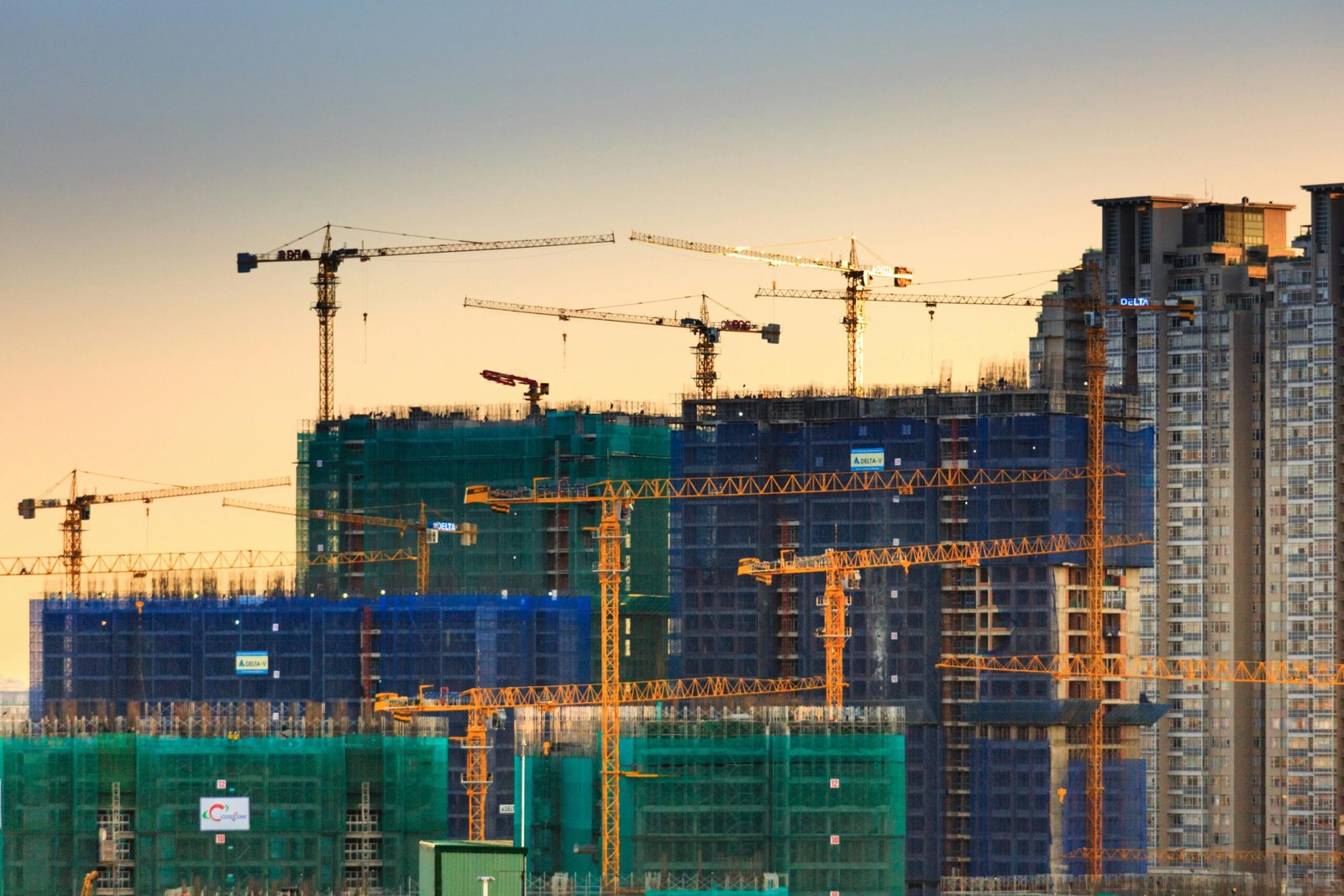
This work examines how rapid urban growth in Addis Ababa has deepened social and economic injustice. Drawing on more than a decade of ethnographic research in construction sites, design offices, and new developments, the author traces how big projects, political power, and professional decisions have shaped who benefits from city change. Promises that modern infrastructure would uplift the poor often failed, while investments in the built environment entrenched unequal entitlements and rights. Still, tensions among developers, workers, displaced communities, and city actors create openings to contest and redefine what counts as just urban development.
What the study examined
This study explores the social and moral sides of rapid urban transformation in Addis Ababa. It follows more than a decade of ethnographic observation across construction sites, design offices, and new developments to show how urban projects become sites of both ambition and conflict.
Key findings
- Promises versus outcomes: Investments in large-scale infrastructure, high-rises, and real estate are described as morally framed promises that were expected to generate opportunity and improve lives. In many cases these promises did not deliver the uplift that was anticipated for poorer residents.
- Power and priority: Political leaders, investors, planners, developers, and architects used commitments to new projects to advance particular visions of development. Those visions often sidelined demands for better wages and affordable housing, treating them as politically or economically unimportant.
- Entrenched inequality: Government and corporate involvement in the built environment helped to solidify unequal hierarchies of entitlement and rights linked to access, tenure, and benefit from new developments.
- Sites of struggle: City change is shown as fragile and contested. Conflicts occur not only between developers and displaced communities or companies and workers, but also among the city builders themselves, creating spaces to question accepted priorities and assumptions.
Why it matters
The account reframes urban transformation as more than economic growth: it is a moral project about competing ideas of what a city should do and whom it should serve. By documenting lived experiences and the politics of building, the study highlights how injustice is produced and how contestation can reopen discussions about rights, expertise, and futures.
Understanding these dynamics matters for anyone interested in how cities change, who gains from those changes, and how alternative visions of urban life can be asserted within contested development processes.
Disclosure
- Research title: Unjust Developments:Building Inequalities in Ethiopia's Capital
- Authors: Di Nunzio, Marco
- Journal / venue: Research Portal (King's College London) (2026-05-05)
- OpenAlex record: View on OpenAlex
- Links: Landing page
- Image credit: Photo by Quang Nguyen Vinh on Pexels (Source • License)
- Disclosure: This post was generated by Artificial Intelligence. The original authors did not write or review this post.