

What the study found
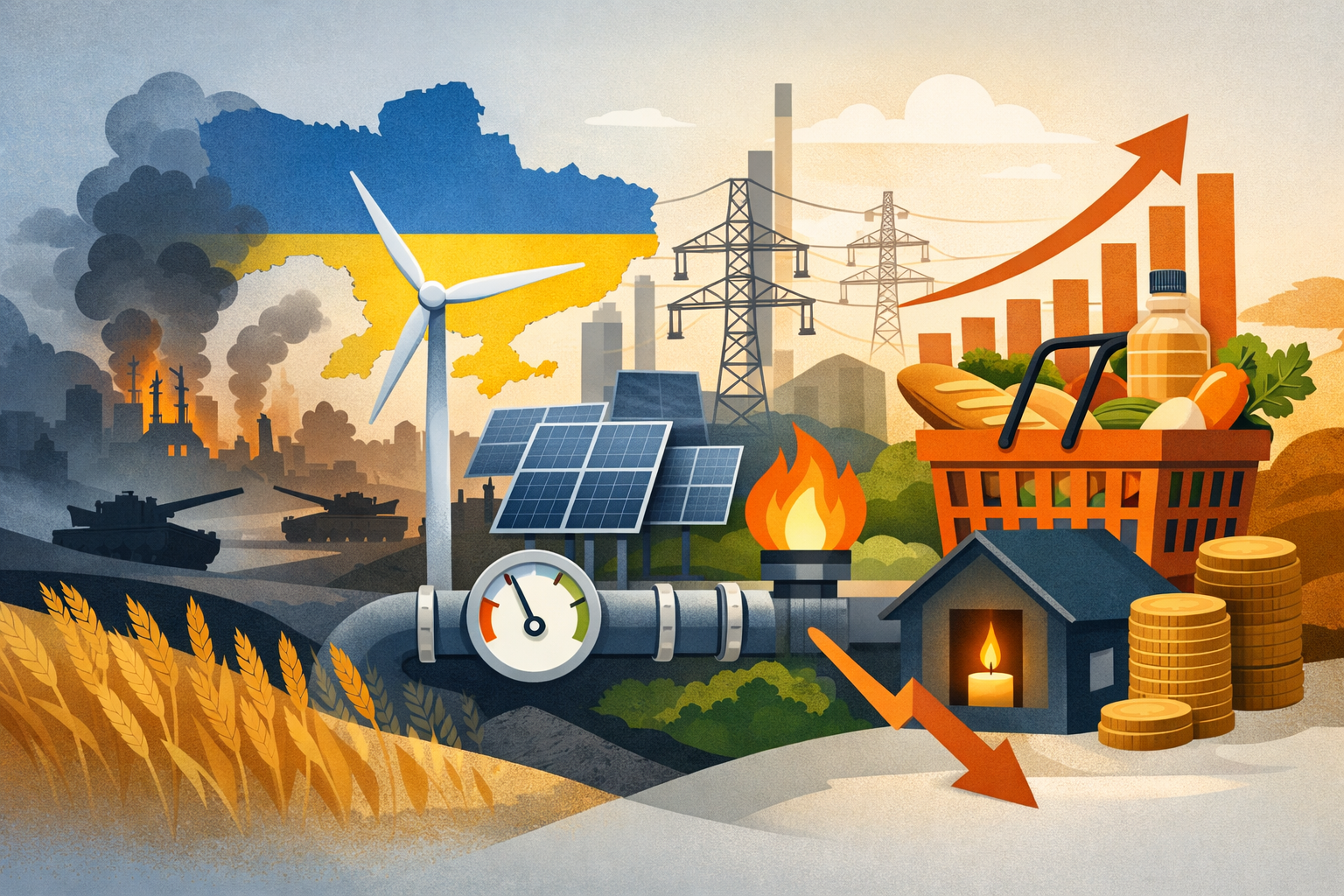
The review found that the energy crisis triggered by the Russia–Ukraine war affected three areas in different ways: the food market, the energy transition, and energy poverty. It reports faster movement toward renewables, alongside stronger inflation pressure in the global food supply chain and greater energy vulnerability for low-income populations.
Why the authors say this matters
The authors say the complexity of the energy crisis, its impacts, and the emerging energy landscape make a systematic review necessary. They conclude that the review can capture existing knowledge and help identify future research directions on the post-war energy crisis.
What the researchers tested
The researchers carried out a systematic literature review on the impact of the energy crisis after the start of the Russia–Ukraine war. They compiled findings across three sectors: the food market, the energy transition, and energy poverty.
What worked and what didn't
According to the review, the crisis appears to have provided impetus for a faster transition to renewable energy. At the same time, it was associated with significant inflationary pressure in the global food supply chain and with intensified energy vulnerability for low-income populations.
What to keep in mind
The abstract does not describe specific study limitations. It also indicates that the review focuses on literature about the post-war energy crisis, so its scope is limited to the three sectors named in the paper.
Key points
- The review covers the energy crisis that followed the 2022 Russia–Ukraine war.
- It focuses on three sectors: the food market, the energy transition, and energy poverty.
- The findings indicate a faster transition to renewables.
- The review reports inflationary pressure in the global food supply chain.
- It also reports greater energy vulnerability for low-income populations.
Disclosure
- Research title:
- Energy crisis reshaped food, energy transition, and energy poverty
- Authors:
- Νικόλαος Αποστολόπουλος, Christos Goulas, Floros Flouros, Georgios Papadopoulos, Sotiris Apostolopoulos
- Institutions:
- General Confederation of Greek Workers, General Confederation of Greek Workers, Neapolis University Pafos, Neapolis University Pafos, Neapolis University Pafos, University of Peloponnese, University of Peloponnese
- Publication date:
- 2026-02-25
- OpenAlex record:
- View
Get the weekly research newsletter
Stay current with peer-reviewed research without reading academic papers — one filtered digest, every Friday.