Tag: Renewable Energy, Sustainability and the Environment
Eleven-level inverter was tested for solar PV nonlinear loads
—
in EngineeringWhat the study found The study reports an eleven-level multilevel inverter for solar PV applications and compares its performance with R, RL, and induction motor loads. The abstract says the proposed system was verified by simulation and that the results were validated and discussed. Why the authors say this matters The authors link the work…

Authors propose broader view of climate change drivers
—
in EnergyFramework proposing anthropogenic power generation and energy balance as factors in climate change, with industrial efficiency improvements as mitigation strategy

50% heat pump coverage gave the best overall performance
—
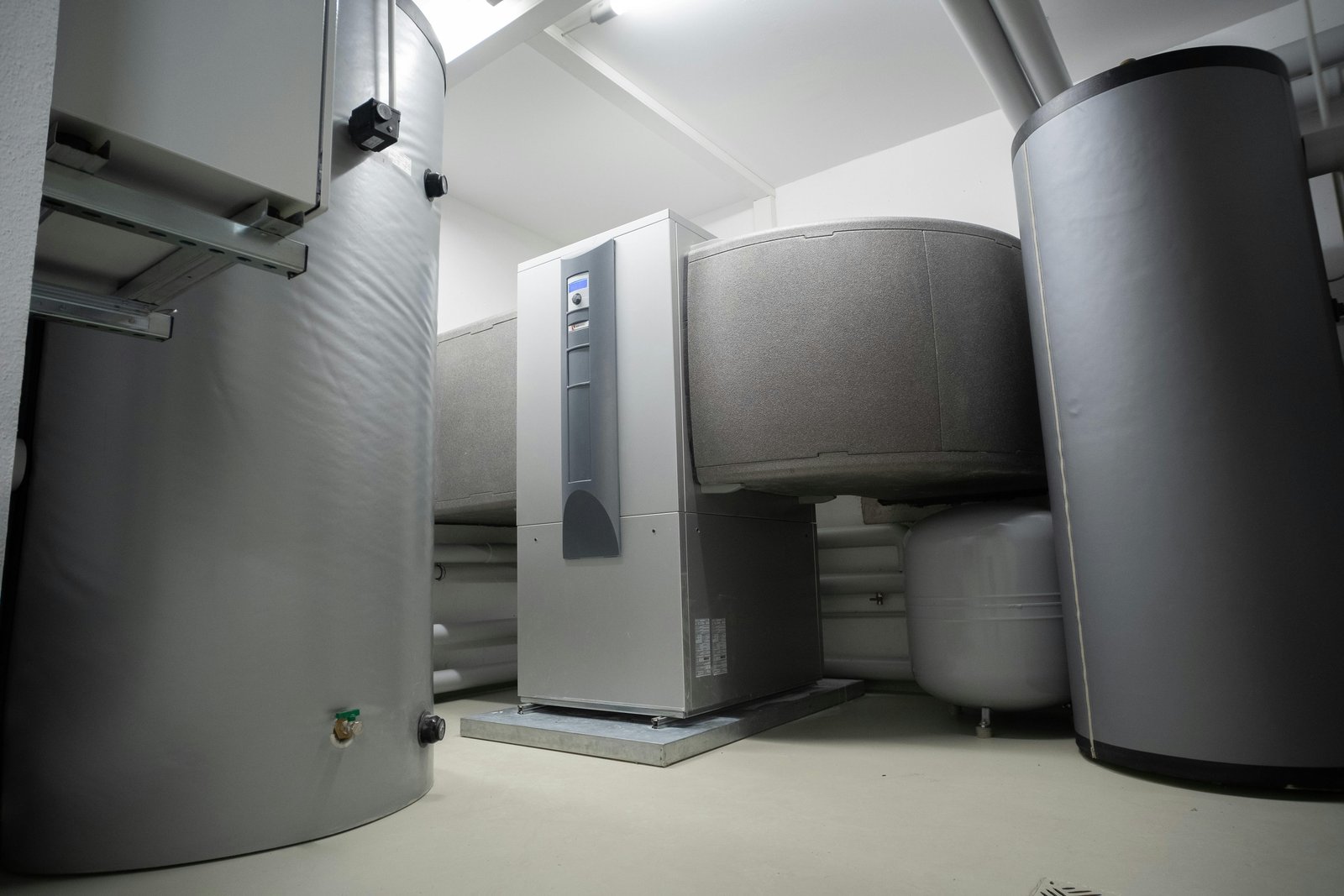
in EnergyStudy optimizes ground-source heat pump systems in cold-region green buildings, reducing soil thermal imbalance and carbon emissions by 33% while lowering lifecycle costs through composite energy.

Greedy strategy balances emissions, cost, and reliability in Taiwan transition
—
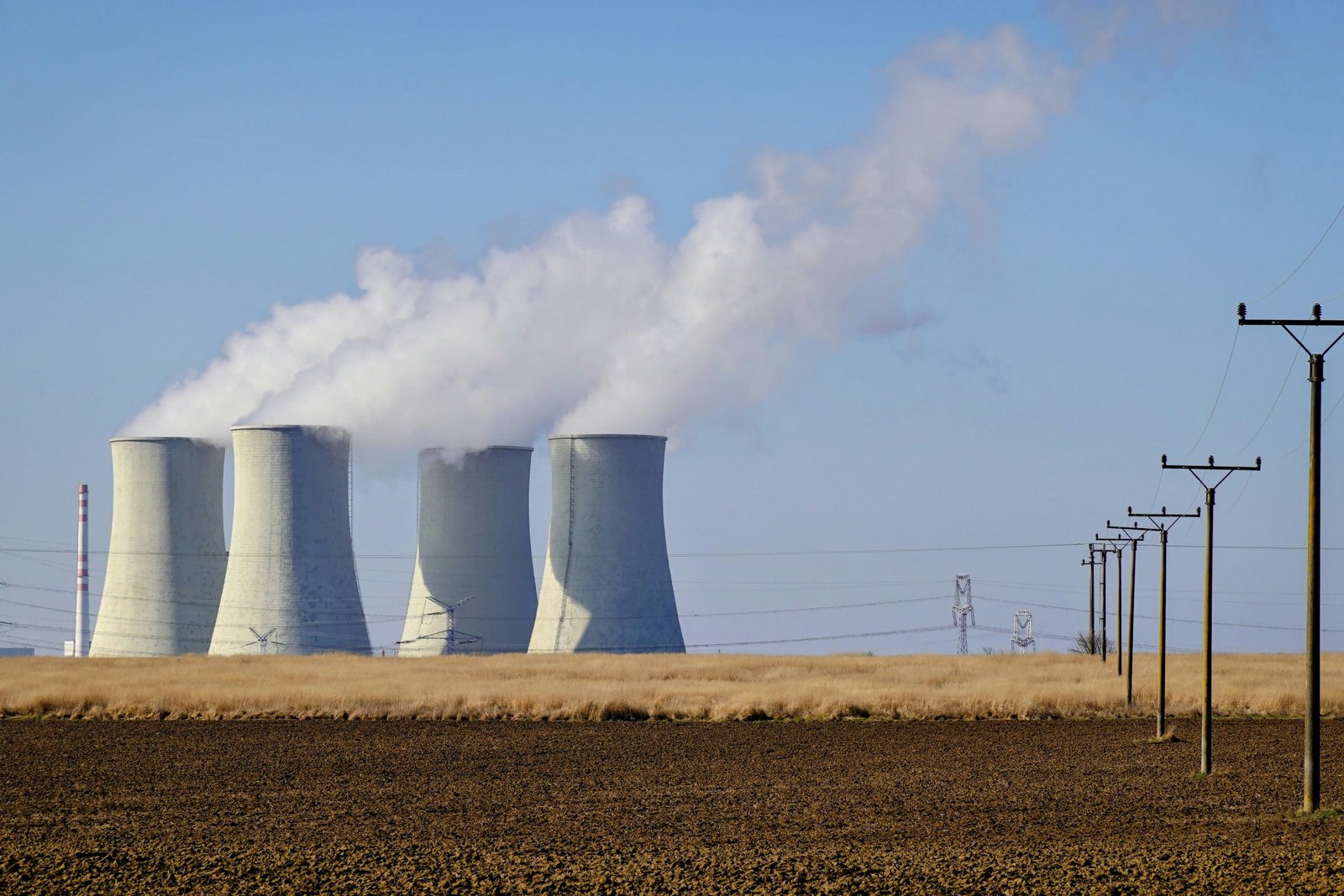
in EnergyExplore Taiwan’s energy transition pathways using greedy algorithm optimization to balance nuclear power, emissions reduction, costs, and grid stability through 2050.

CdIn2S4/Mo2TiC2 composite improved photocatalytic hydrogen production
Mo2TiC2 MXene integrated with CdIn2S4 forms a Schottky heterojunction achieving 3.35 mmol·h−1g−1 hydrogen production rates without noble metal co-catalysts.

In situ sensors enable simultaneous hydrogen and oxygen detection
—
in ChemistryReal-time sensor platform for simultaneous H2 and O2 detection in photocatalytic water splitting, enabling kinetic characterization without conventional gas chromatography limitations.

FCEV subsidies mainly shift sales from other ZEVs
—
Study examines FCEV subsidies in South Korea’s vehicle market, revealing that fuel cell incentives primarily shift demand from EVs rather than reducing fossil fuel vehicles, suggesting limited.

CaCd2P2 stays stable under alkaline water oxidation
CaCd2P2 Zintl phosphide absorbs visible light and resists photocorrosion through light-stabilized surface transformation, enabling stable photoelectrochemical water oxidation for solar fuel.