Tag: Data-Driven Disease Surveillance

SIMG had marginal usability and low uptake among pregnant women
—
Pilot study of SIMG, a web-based pregnancy monitoring system in Brazil, reveals marginal usability and suboptimal uptake despite high willingness to use the tool in future pregnancies.

U.S. cancer mortality declines varied by county income and location
—
in MedicineCounty-level analysis reveals disparities in cancer mortality decline across geography, income, and urbanization in the United States.

Machine-learning algorithms improved smoking identification in health records
—
Study comparing machine learning and rule-based algorithms for identifying smokers in administrative health data found ML models doubled sensitivity for detecting current smokers.

Participants weighed privacy against potential value of browsing history research
—
Qualitative study examines acceptability of sharing internet browsing history for cancer research among diverse populations, identifying trust and transparency as key factors.

H5N1 risk expanded across regions after 2020
—
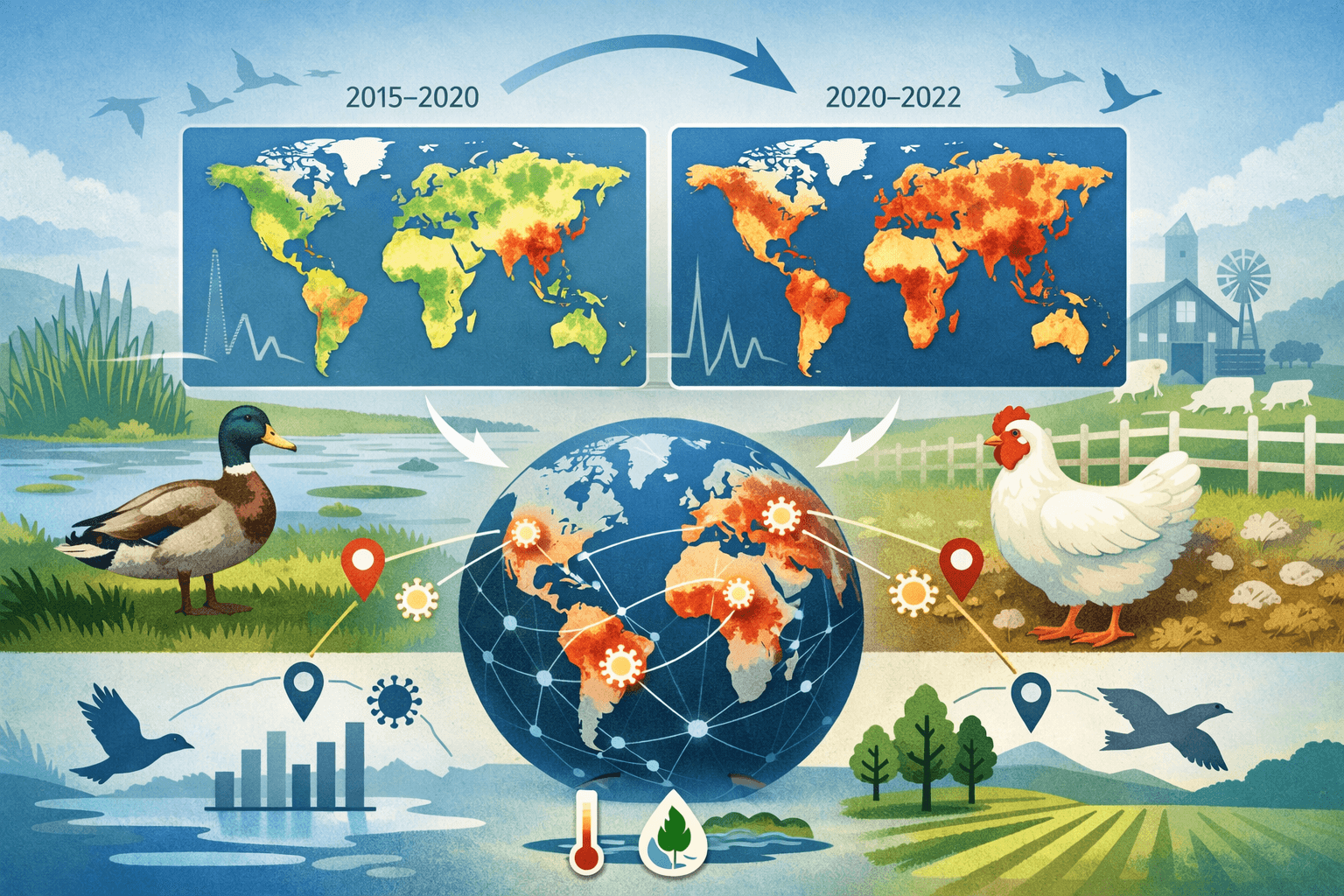
in MedicineEcological niche modeling reveals shifted environmental predictors and expanded geographic risk zones for highly pathogenic avian influenza H5 after 2020.

XGBoost outperformed ARIMA and Prophet for TB forecasting
—
in MedicineXGBoost machine learning model demonstrates superior accuracy for monthly tuberculosis forecasting in coastal urban environments compared to traditional ARIMA and Prophet approaches.

District-level dengue predictions improved with climate and health data
—
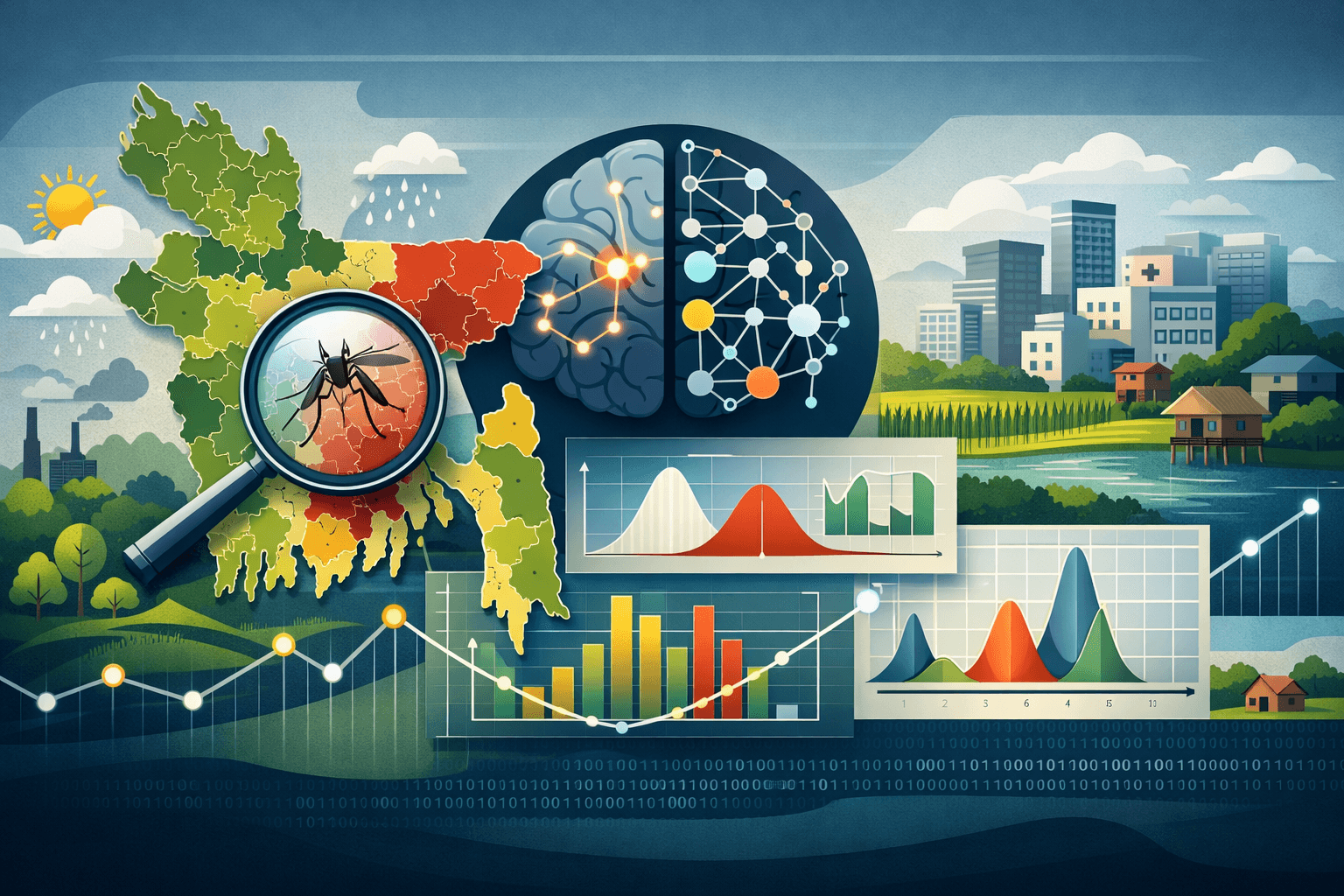
in MedicineHybrid explainable AI and Bayesian deep learning system predicts dengue outbreaks at district level in Bangladesh using climate, socioeconomic, and healthcare data from 2017-2024.

Machine-learning models identified key drivers of tuberculosis incidence in Taiwan
—
in MedicineMachine learning analysis of environmental and socioeconomic determinants of tuberculosis incidence in Taiwan, identifying key drivers and nonlinear relationships for disease forecasting.

Topic modelling revealed known and potential canine disease phenotypes
—
in Data scienceMachine learning analysis of one million canine electronic health records identifies disease phenotypes, breed predispositions, and emerging health patterns using unsupervised topic modeling.