

What the study found
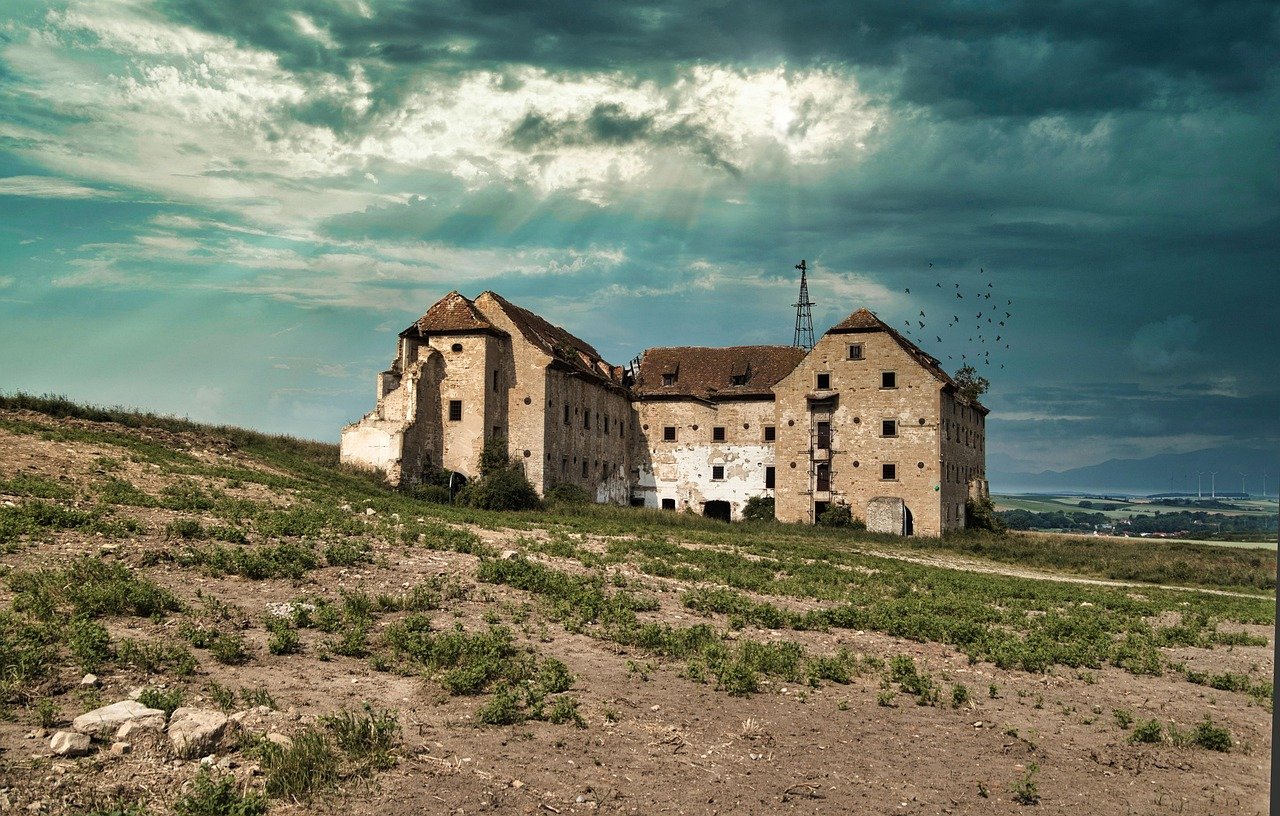
Lotuturu Hill in Lamwo District is presented as a site with layered historical memory, linking colonial use, Idi Amin’s presence, and local oral narratives. The study says the hill’s ruins and stories reflect both past politics and its place in contemporary memory.
Why the authors say this matters
The authors conclude that Lotuturu Hill remains a symbol of identity for the Acholi people and that documenting its narratives matters for nation-building. They also argue that preserving the site could support cultural tourism and historical education, and help prevent the loss of part of Uganda’s national heritage.
What the researchers tested
The study used historical accounts, digital archival review, and secondary data review. It aimed to connect official history with local memory, including colonial legends about King George VI’s wartime hideout.
What worked and what didn't
The findings describe a dual legacy: the site is associated with a British wartime hideout and with Idi Amin’s “jungle paradise” for top-secret meetings. At the same time, the site is described as suffering from environmental decay and institutional neglect.
What to keep in mind
The abstract does not provide detailed methodological limits or specify how the historical and oral sources were weighed against one another. It also does not give further evidence beyond the summary of accounts and archival review.
Key points
- Lotuturu Hill is described as holding both colonial and Idi Amin-era historical memory.
- The site’s ruins and local narratives are said to represent “past politics” and contemporary memory.
- The authors state that the hill is an important identity symbol for the Acholi people.
- The study says the site is suffering from environmental decay and institutional neglect.
- The authors argue for documentation and rehabilitation to support tourism and historical education.
Disclosure
- Research title:
- Lotuturu Hill holds layered memories of colonial and Amin-era rule
- Publication date:
- 2026-02-24
- OpenAlex record:
- View
- Image credit:
- Pixabay • Lost-Places-World-com · Pixabay License
Get the weekly research newsletter
Stay current with peer-reviewed research without reading academic papers — one filtered digest, every Friday.