

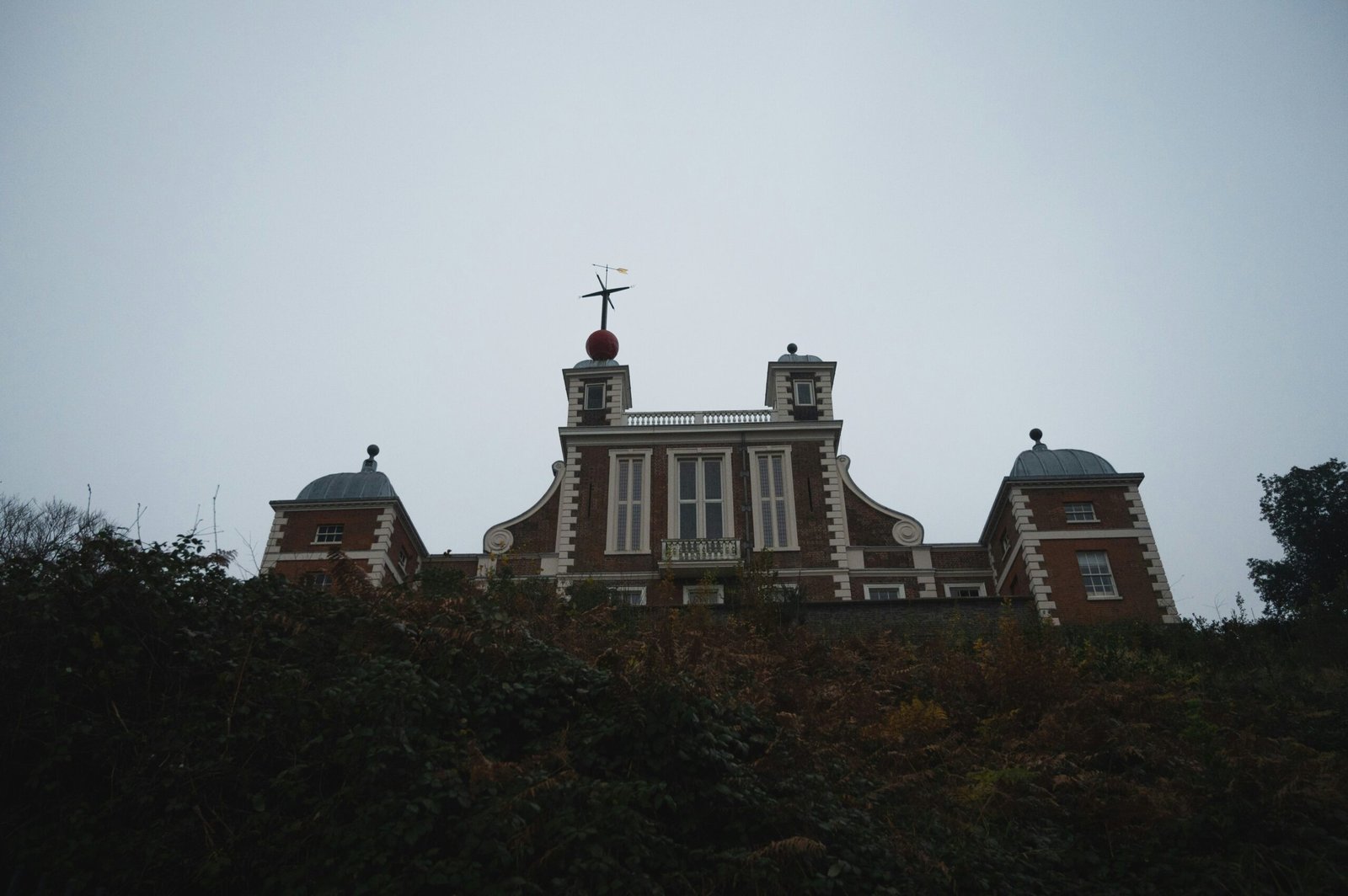
This work traces the history of the Royal Observatory, Greenwich from 1881 to 1939 as astronomy shifted from positional measurement to astrophysics and study of the wider universe. It uses primary-source research to chart how the Observatory expanded into areas like photographic sky mapping and solar eclipse study while maintaining traditional navigational and positional roles. The account highlights management decisions, pressures from urban growth that led to relocation, and the gradual change of a working scientific institution into a heritage site. The book is presented as useful for astronomers, historians of science, and heritage professionals.
What the study examined
This book examines the history of the Royal Observatory, Greenwich across the years 1881–1939, a period when astronomy moved from a focus on precise star positions to broader astrophysical questions and the study of the universe.
Drawing on primary-source material in the Observatory’s archives and elsewhere, the author reconstructs how the institution’s work, leadership and priorities evolved during those decades.
Key findings
The narrative shows that the Observatory broadened its research portfolio while still sustaining its traditional responsibilities in navigation and positional astronomy. New activities included the photographic mapping of the sky and dedicated study of solar eclipses.
Management choices and external pressures are highlighted: the growth of London increasingly interfered with operations and contributed to decisions about relocation. Over time, the working observatory’s character changed, moving toward the role of a heritage institution.
Why it matters
The book offers a detailed case study of institutional change at a historic scientific site as the practice of astronomy itself transformed. It provides historical insight into how scientific missions can shift while earlier duties continue to be performed.
The account is positioned as relevant to astronomers, historians of science and heritage professionals, particularly those interested in the development and preservation of historic scientific institutions.
Disclosure
- Research title: The Royal Observatory, Greenwich, 1881–1939: Astronomy, astronomers and heritage in a changing world
- Authors: Macdonald, L.T.
- Journal / venue: UCL Discovery (University College London) (2026-03-01)
- OpenAlex record: View on OpenAlex
- Links: Landing page
- Image credit: Image source: UNSPLASH (Source • License)
- Disclosure: This post was generated by Artificial Intelligence. The original authors did not write or review this post.