

What the study found
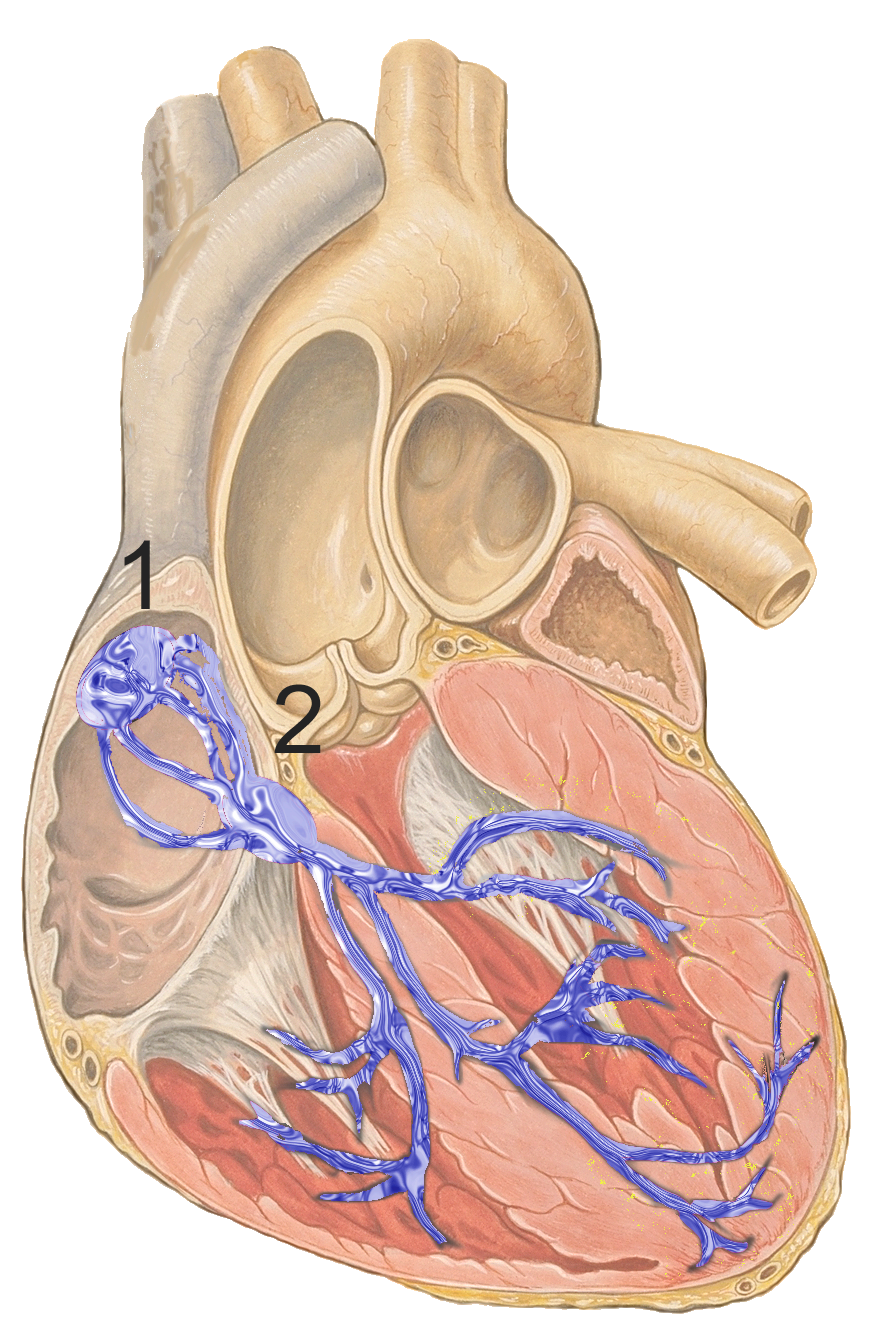
The review discusses mechanisms that regulate cardiac pacemaking activity in health and disease. It highlights sinoatrial node (SAN; the heart’s natural pacemaker) dysfunction in heart failure, along with related arrhythmia syndromes, autoimmune cardiac ion channelopathies, and biological pacemakers.
Why the authors say this matters
The authors state that SAN dysfunction in heart failure frequently appears as bradyarrhythmia (an abnormally slow heart rhythm), which increases morbidity and mortality in heart failure patients and is associated with a higher risk of sudden cardiac death. The study suggests that recent findings on SAN regulation may help explain these conditions.
What the researchers tested
This is a topical review of recent literature on SAN regulation in health and disease. The review covers catecholaminergic polymorphic ventricular arrhythmia, autoimmune cardiac ion channelopathies, SAN dysfunction in heart failure, mitochondrial-sarcoplasmic reticulum connectomics, distinct adenylate cyclase (AC) isoforms in the SAN, and recent advances in biological pacemakers.
What worked and what didn't
The abstract reports that recent studies support previously unrecognized roles for mitochondrial-sarcoplasmic reticulum connectomics in SAN dysfunction commonly seen with heart failure. It also notes that distinct AC isoforms are preferentially expressed and compartmentalized in the SAN to serve a specialized function. The abstract does not describe comparative successes or failures of specific interventions.
What to keep in mind
This summary is based on a review abstract, not on new experimental results. The abstract does not provide detailed methods, data, or limitations of the reviewed studies.
Key points
- The review covers cardiac pacemaking regulation in health and disease.
- It discusses SAN dysfunction in heart failure, arrhythmia syndromes, autoimmune cardiac ion channelopathies, and biological pacemakers.
- The authors say SAN dysfunction in heart failure often presents as bradyarrhythmia and is linked to higher morbidity, mortality, and sudden cardiac death risk.
- Recent studies support a role for mitochondrial-sarcoplasmic reticulum connectomics in SAN dysfunction.
- Distinct adenylate cyclase isoforms are described as preferentially expressed and compartmentalized in the SAN.
Disclosure
- Research title:
- Review describes cardiac pacemaker regulation in health and disease
- Image credit:
- J. Heuser, Wikimedia Commons, CC BY 2.5
Get the weekly research newsletter
Stay current with peer-reviewed research without reading academic papers — one filtered digest, every Friday.