

What the study found
Hungarian Roma participants generally described a healthy diet in ways that aligned with dietary guidelines. Their views were mainly associated with how they saw their own eating habits.
Why the authors say this matters
The authors say understanding how Hungarian Roma perceive healthy eating is important because the Roma population is at increased risk for diet-related non-communicable diseases. The study suggests that health-promotion efforts should consider sociocultural factors when aiming to improve dietary quality and health outcomes.
What the researchers tested
The researchers conducted a cross-sectional study of 300 Roma adults in Hungary using a telephone survey. They asked about perceptions of a healthy diet, household dietary diversity, foodways, weight status, and socioeconomic status, and analyzed the associations with t-tests, one-way ANOVA, linear regression, and chi-square tests.
What worked and what didn't
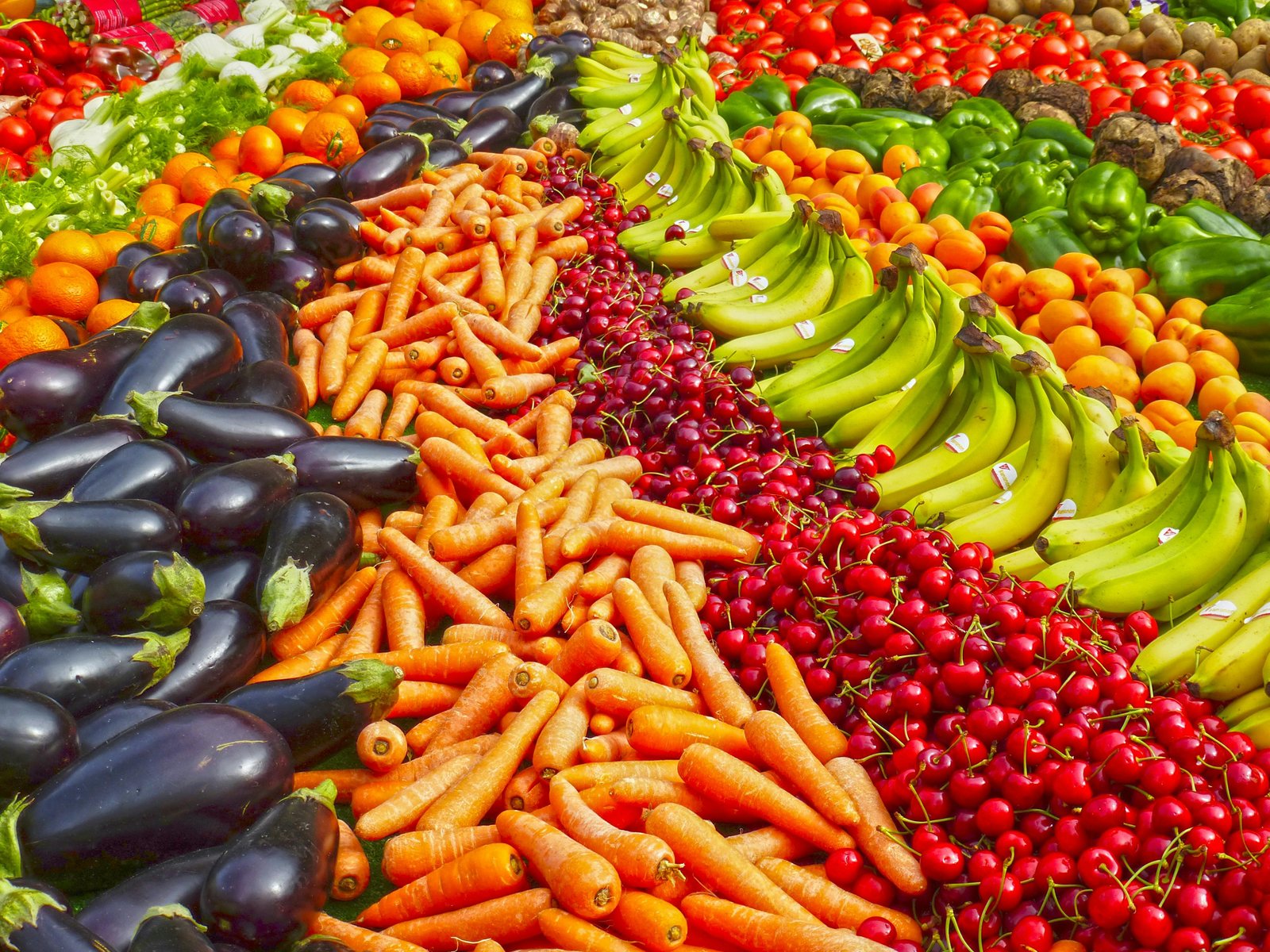
Respondents linked healthy eating with vegetables and fruits, whole grains, fresh and natural foods, a balanced and varied diet, and overall health. Perceptions of a healthy diet differed significantly by sex and age group, and self-perceived healthy eating was the strongest predictor of the perception-of-healthy-diet score. The abstract says perceptions were not influenced by all socioeconomic factors, BMI, or economic access to food.
What to keep in mind
This is a cross-sectional study, so it describes associations rather than changes over time. The abstract does not provide further detail on limitations beyond the scope of the available sample and measures.
Key points
- Hungarian Roma participants generally viewed a healthy diet in ways that matched dietary guidelines.
- Healthy eating was associated with vegetables, fruits, whole grains, fresh and natural foods, and balanced variety.
- Self-perceived healthy eating was the strongest predictor of the healthy-diet perception score.
- Perceptions differed significantly by sex and age group.
- The abstract says perceptions were not influenced by all socioeconomic factors, BMI, or economic access to food.
Disclosure
- Research title:
- Hungarian Roma perceptions of healthy eating mostly matched dietary guidelines
- Publication date:
- 2026-03-09
- OpenAlex record:
- View
- Image credit:
- Pexels • Pixabay · Pexels License
Get the weekly research newsletter
Stay current with peer-reviewed research without reading academic papers — one filtered digest, every Friday.