

About This Article
This is an AI-generated summary of a research paper. The original authors did not write or review this article. See full disclosure ↓
Overview
The work critiques the Living Planet Index and evolving planetary boundary frameworks for biodiversity, arguing that these established metrics and monitoring systems are methodologically inappropriate and communicatively misleading in their current formulations. The analysis challenges the utility and validity of widely adopted biodiversity assessment tools in guiding conservation policy and implementation.
Methods and approach
The study examines the underlying assumptions, data quality, and aggregation methodologies of the Living Planet Index alongside successive iterations of planetary boundary models for biodiversity. The analysis evaluates the coherence between proposed metrics and actual biodiversity dynamics, with particular emphasis on regional case studies from African contexts to interrogate the global applicability of these frameworks.
Results
Evidence from African biodiversity systems does not support the catastrophic global biodiversity narratives promoted by these indices and boundary models. The Living Planet Index and planetary boundary iterations are found to contain methodological inconsistencies, inappropriate aggregation techniques, and misrepresentation of underlying ecological data. The frameworks fail to account for regional variation in biodiversity trends and conservation outcomes.
Implications
The widespread adoption of flawed biodiversity metrics has consequences for conservation prioritization and resource allocation. If these indices and boundaries drive policy decisions despite their methodological deficiencies, conservation efforts may be misdirected toward ineffective interventions or away from demonstrated on-ground successes. There is a need for rigorous re-evaluation of how global biodiversity status is assessed and communicated to policymakers and practitioners.
Disclosure
- Research title: Out of Africa comes no support for global biodiversity catastrophes
- Authors: Stuart L. Pimm, T. Jonathan Davies, John L. Gittleman
- Publication date: 2026-02-25
- DOI: https://doi.org/10.1126/sciadv.aee6950
- OpenAlex record: View
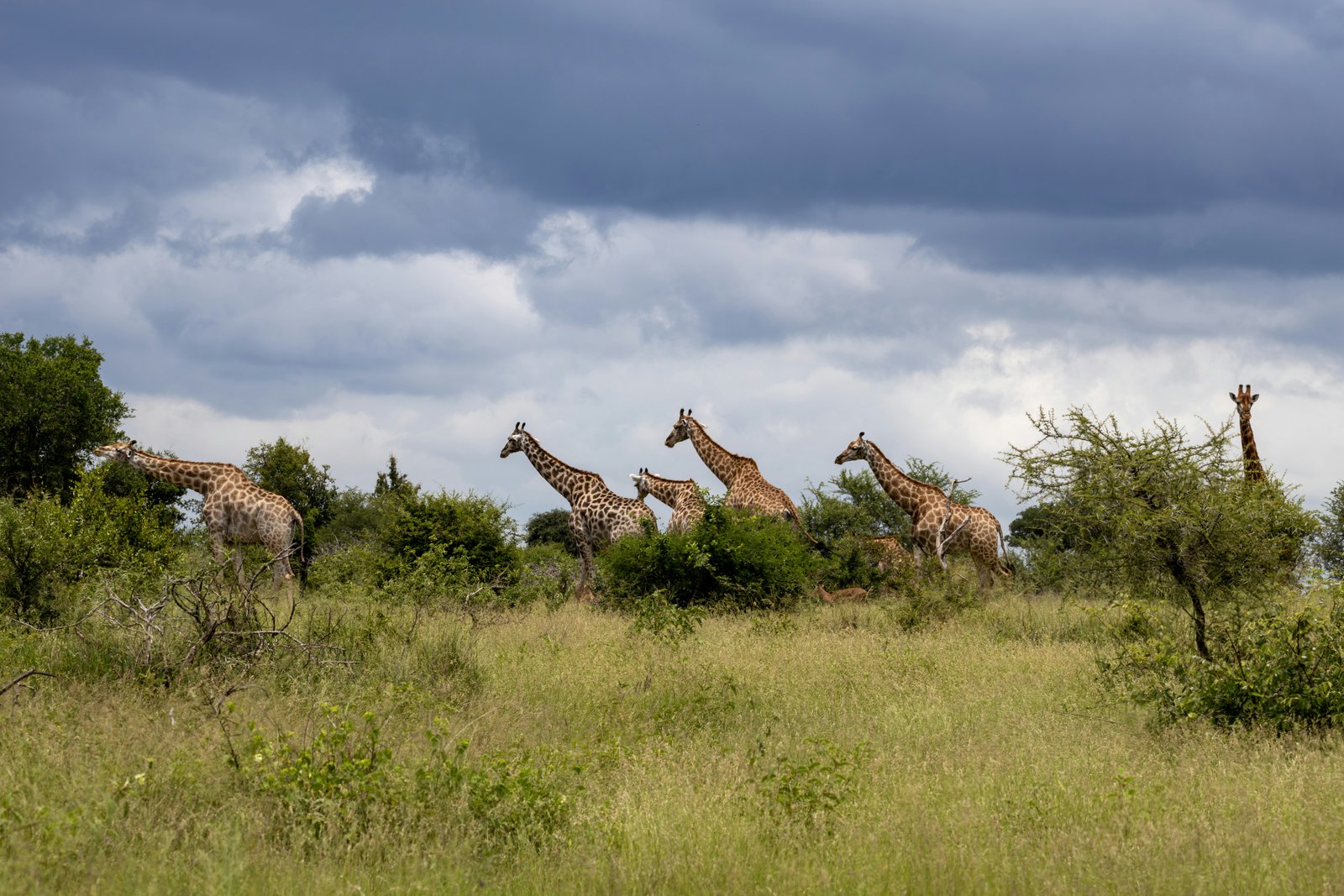
- Image credit: Photo by Hendrik Prinsloo on Unsplash (Source • License)
- Disclosure: This post is an AI-generated summary of a research work. It was prepared by an editor. The original authors did not write or review this post.