

What the study found
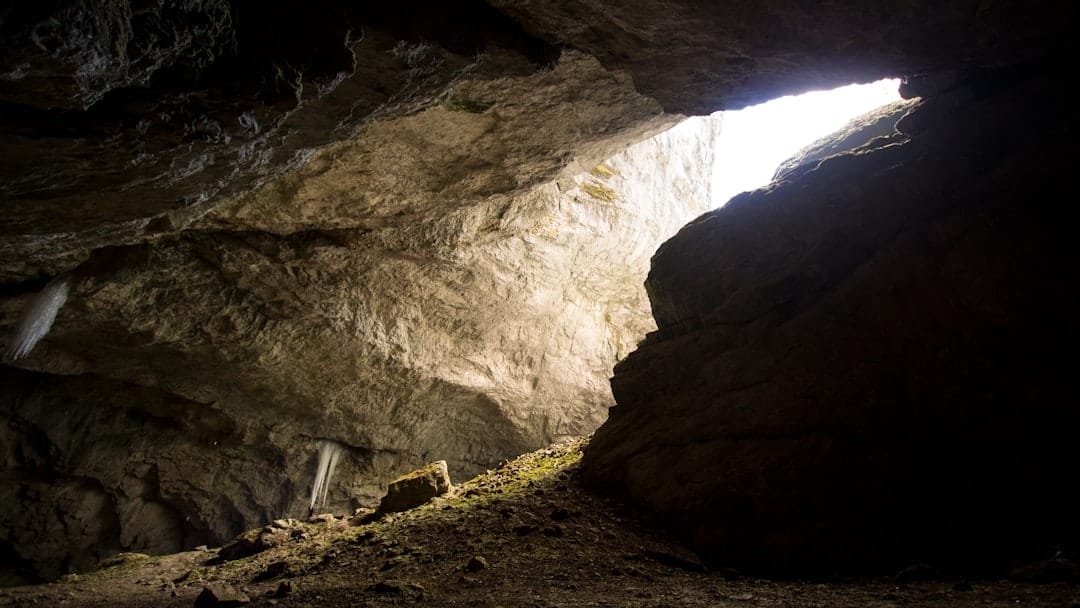
The study reports that human remains and artefacts from Heaning Wood Bone Cave, Cumbria, include the earliest human remains yet discovered in northern Britain. The cave contains burials from three prehistoric phases: the Early Mesolithic, Early Neolithic, and Early Bronze Age.
Why the authors say this matters
The authors say the site is an important addition to current knowledge about the deposition of human remains in caves in north-west Europe at these dates.
What the researchers tested
The researchers studied recently discovered human remains and associated artefacts from the cave. They used radiocarbon dating, genomic analysis, osteological analysis (study of bones), and taphonomic analysis (study of what happened to remains after death).
What worked and what didn't
Radiocarbon dating placed the earliest individual, the “Ossick Lass,” between 9290 and 8925 cal BC. The cave was used for burial in three phases, with one individual dated to the Early Mesolithic, four to the Early Neolithic, and two to the Early Bronze Age. Genomic analysis showed that all but one sampled individual were biologically female, and the burial practice seems to have involved successive inhumation of the recently deceased body into the vertical entrance of the cave.
What to keep in mind
The abstract does not describe limitations or uncertainties beyond the sample described. The summary is based only on the abstract, so further details about the analyses and context are not available here.
Key points
- Heaning Wood Bone Cave contains the earliest human remains yet found in northern Britain.
- The cave was used for burial in three prehistoric phases: Early Mesolithic, Early Neolithic, and Early Bronze Age.
- Radiocarbon dating placed the earliest individual, the “Ossick Lass,” between 9290 and 8925 cal BC.
- Genomic analysis found that all but one sampled individual were biologically female.
- The authors say the site adds to knowledge about cave burials in north-west Europe.
Disclosure
- Research title:
- Human remains in Heaning Wood Bone Cave span three prehistoric phases
- Publication date:
- 2025-12-01
- OpenAlex record:
- View
- Image credit:
- Photo by Michal Ico on Unsplash
Get the weekly research newsletter
Stay current with peer-reviewed research without reading academic papers — one filtered digest, every Friday.