

About This Article
This is an AI-generated summary of a research paper. The original authors did not write or review this article. See full disclosure ↓
Overview
This review examines the role of the gut microbiome in colorectal cancer (CRC) carcinogenesis, progression, and clinical management. The gut microbiome is positioned not as a passive element but as an active driver of CRC development through multiple mechanistic pathways. The review addresses CRC-associated pathogenic bacteria, protective microbial functions, and translational applications including microbiome-based biomarkers and therapeutic interventions. The work synthesizes current understanding of host-microbe interactions in the context of CRC, emphasizing both mechanistic insights and barriers to clinical implementation. Dysbiosis, characterized by compositional shifts in the intestinal microbial community, is presented as a central feature linking environmental exposures, dietary factors, and host susceptibility to tumor initiation and progression. The review distinguishes between pathogenic microbial contributions that promote tumorigenesis and beneficial microbial functions that support mucosal homeostasis and metabolic balance.
Methods and approach
The review adopts a mechanistic framework to describe CRC-associated pathogenic bacteria and their contributions to carcinogenesis. Specific pathogens are characterized, including Fusobacterium nucleatum, polyketide synthase positive Escherichia coli, enterotoxigenic Bacteroides fragilis, Streptococcus gallolyticus subsp gallolyticus, and Peptostreptococcus anaerobius. Six major pathways are outlined through which these microorganisms contribute to CRC: chronic inflammation via activation of innate immune pathways and cytokine production, generation of toxic metabolites including secondary bile acids that induce oxidative stress, production of genotoxins causing DNA double-strand breaks, activation of oncogenic signaling pathways such as Wnt/β-catenin, NF-κB, and STAT3, modulation of antitumor immunity through recruitment of immunosuppressive cells or inhibition of T-cell function, and disruption of barrier integrity through degradation of mucus and epithelial junctions. The review also addresses protective microbial roles, focusing on microbiota-derived metabolites that stabilize the barrier-immune-metabolic axis and maintain mucosal integrity. Two translational research directions are evaluated: microbiome-based biomarkers for risk stratification and early detection, and microbiome-based therapies aimed at modifying the intestinal ecosystem.
Results
The review identifies that CRC-associated microbiome alterations contribute to tumorigenesis through reinforcement of a tumor microenvironment via inflammation, metabolite toxicity, genotoxic damage, oncogenic signal activation, immune evasion, and barrier disruption. Fusobacterium nucleatum is noted as more concentrated in CRC tissue compared to adjacent normal mucosa, demonstrating tissue-specific enrichment. In contrast, beneficial microbiome components support mucosal integrity and balanced immune tone. Despite extensive investigation, microbiome-based CRC biomarkers have not achieved readiness for routine clinical application. Key obstacles include variation across populations and lack of standardization in sampling, analysis, cutoff determination, and interpretation. Current therapeutic approaches are stratified by developmental stage: dietary modulation and prebiotics are considered supportive measures, probiotics and synbiotics remain in preclinical stages, and fecal microbiota transplantation faces challenges related to effectiveness, standardization, and safety. The microbial ecosystem is characterized as both a measurable marker of CRC-associated biology and a potentially modifiable factor, though clinical translation remains incomplete.
Implications
The positioning of the gut microbiome as an active driver rather than a bystander in CRC carcinogenesis has significant implications for understanding disease etiology and developing intervention strategies. The mechanistic pathways identified provide targets for therapeutic modulation, though translation to clinical practice requires addressing substantial barriers. Microbiome-based therapies are conceptualized as interventions aimed at reshaping the entire intestinal ecosystem rather than manipulating individual strains, reflecting a systems-level approach to treatment. Fecal microbiota transplantation is viewed as a potential option for cancer therapy based on its capacity to reshape the tumor-host immune environment, but requires further development through well-controlled clinical trials with rigorous safety monitoring. The lack of clinical readiness for microbiome-based biomarkers highlights the need for standardization across the diagnostic pipeline and validation in diverse populations. The dual role of the microbiome as both a diagnostic marker and therapeutic target suggests that future research must address both measurement standardization and mechanistic understanding to enable clinical implementation. The findings underscore that while biological insights have advanced substantially, practical routes for clinical translation remain incompletely defined, requiring continued investigation of host-microbe interactions and their modulation in CRC.
Disclosure
- Research title: Gut microbiome in colorectal cancer: recent advances and clinical implications
- Authors: Jun Han, Min Jung Kim, Ji Won Park, Seung-Yong Jeong
- Publication date: 2026-02-24
- DOI: https://doi.org/10.3393/ac.2026.00010.0001
- OpenAlex record: View
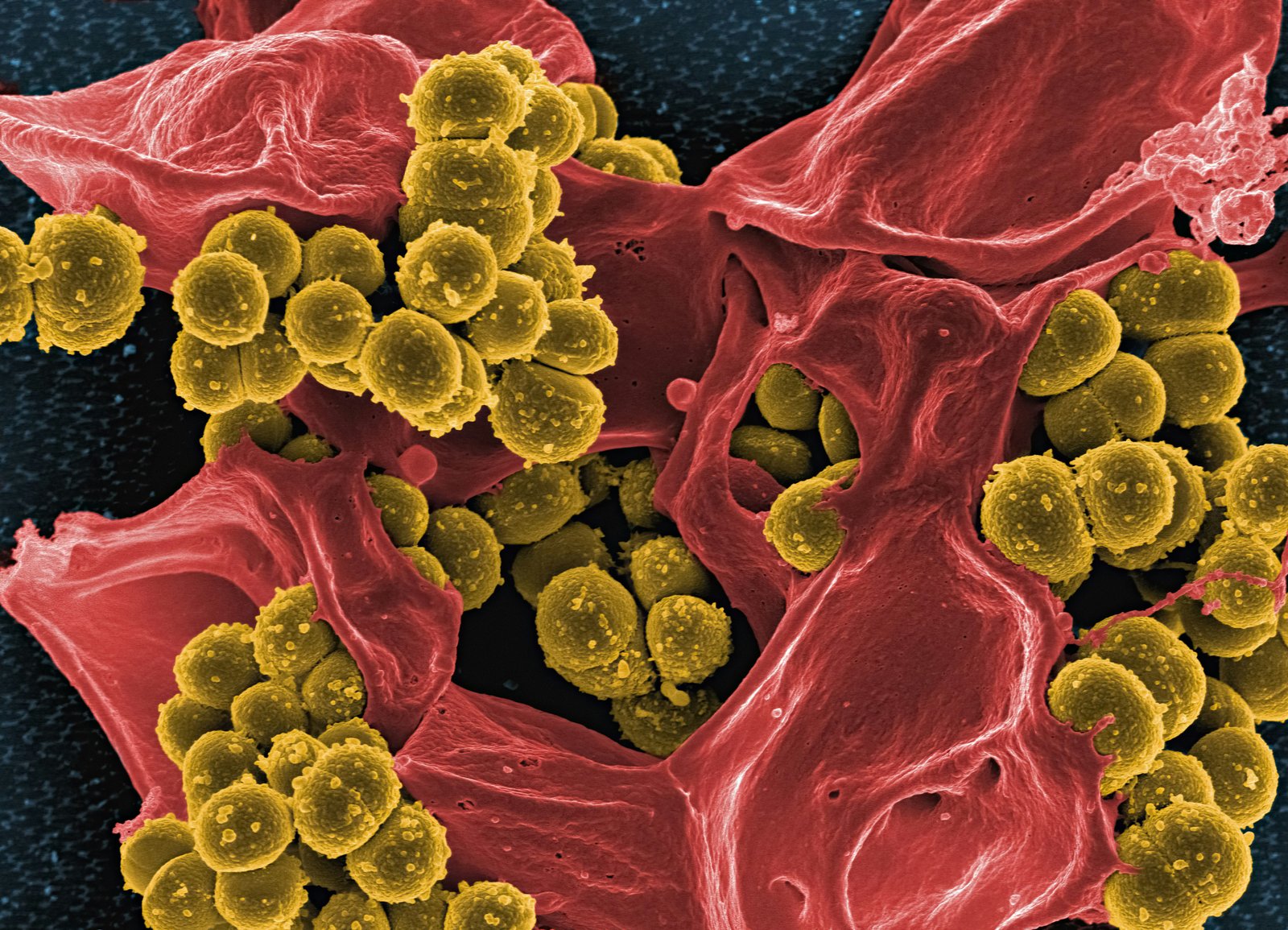
- Image credit: Photo by National Institute of Allergy and Infectious Diseases on Unsplash (Source • License)
- Disclosure: This post is an AI-generated summary of a research work. It was prepared by an editor. The original authors did not write or review this post.