

About This Article
This is an AI-generated summary of a research paper. The original authors did not write or review this article. See full disclosure ↓
Overview
A population-based cohort study examining the epidemiology of kidney stone disease in Switzerland. The study assessed prevalence and 3-year incidence of urolithiasis in 1,128 community-dwelling adults across three Swiss cities and identified associated risk factors through baseline and follow-up renal ultrasound screening and standardized questionnaire administration.
Methods and approach
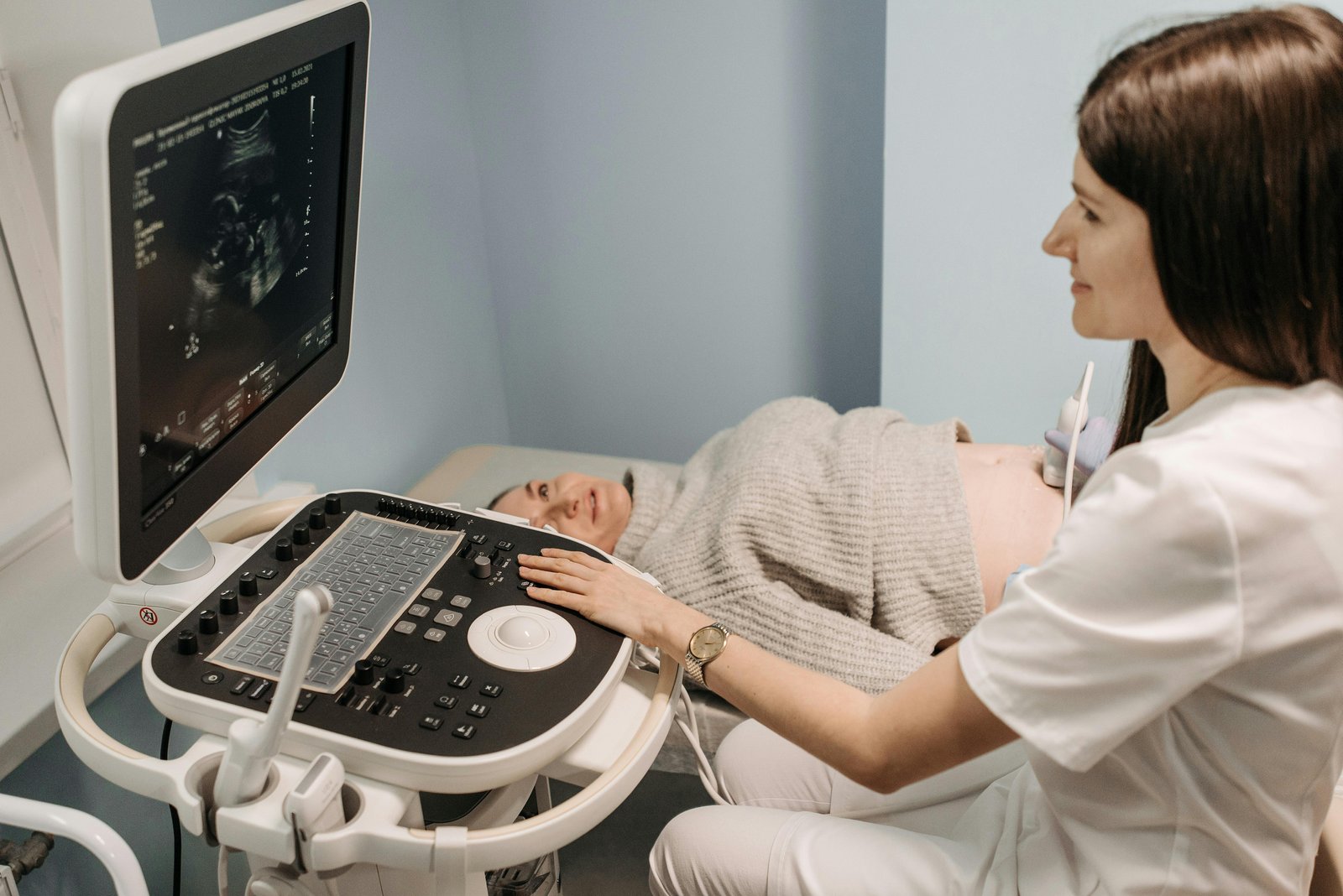
SKIPOGH enrolled 1,128 participants from the general population of Lausanne, Geneva, and Bern between 2009 and 2012. Baseline assessment included renal ultrasound examination and completion of a standardized questionnaire capturing demographic variables (age, sex, BMI, education), lifestyle factors (smoking status, physical activity), clinical comorbidities (hypertension, diabetes mellitus), laboratory parameters (serum creatinine), urinary parameters, and personal and family history of kidney stones. A follow-up visit occurred at three years post-baseline. Logistic regression analysis identified factors associated with prevalent kidney stones at baseline and incident stone formation at 3-year follow-up.
Results
Baseline ultrasound-detected kidney stones were identified in 5.6% of participants (6.1% men, 5.1% women). The 3-year incidence of newly formed stones was 4.3% (4.1% men, 4.6% women). Multivariable logistic regression analysis identified diabetes mellitus (OR 2.93, 95% CI 1.05–8.21, p=0.04), family history of kidney stones (OR 9.96, 95% CI 4.53–21.91, p<0.01), and elevated serum creatinine (OR 1.02 per µmol/L, 95% CI 1.00–1.04, p=0.02) as independent predictors of prevalent stones. Active smoking (OR 2.49, 95% CI 1.07–5.78, p=0.03), reduced physical activity (OR 0.82, 95% CI 0.67–1.00, p=0.05), and personal history of kidney stones (OR 33.0, 95% CI 12.4–87.6, p<0.01) were associated with 3-year incident stone formation.
Implications
The observed prevalence of kidney stone disease in the Swiss population (5.6%) is substantially lower than reported North American estimates (7–13%) but exceeds prevalences documented in Asian populations (1–5%), establishing European epidemiological data previously limited in the literature. These findings refine the understanding of urolithiasis risk profiles within developed healthcare settings with distinct demographic and environmental characteristics. The differential associations between prevalent and incident stones—with family history and diabetes dominating prevalence while personal history and sedentary behavior drive incidence—suggest distinct pathophysiological mechanisms and prevention targets warranting investigation. The pronounced association between prior stone formation and recurrence (OR 33.0) underscores the need for intensive secondary prevention strategies in affected individuals. Results indicating modifiable risk factors (physical activity, smoking status) provide empirical support for lifestyle modification in stone prevention protocols.
Disclosure
- Research title: Epidemiology and Risk Factors of Urolithiasis: Insights from SKIPOGH, a Population-Based Cohort Study in Switzerland
- Authors: Kevin Stritt, Maude Plouvin, Sandrine Estoppey Younes, Belén Ponte, Daniel Ackermann, Daniel G. Fuster, Oliver Bonny, Beat Roth, Murielle Bochud, Menno Pruijm
- Publication date: 2026-01-07
- DOI: https://doi.org/10.1093/ckj/sfag002
- OpenAlex record: View
- Image credit: Photo by Pavel Danilyuk on Pexels (Source • License)
- Disclosure: This post was generated by artificial intelligence. The original authors did not write or review this post.