

What the study found
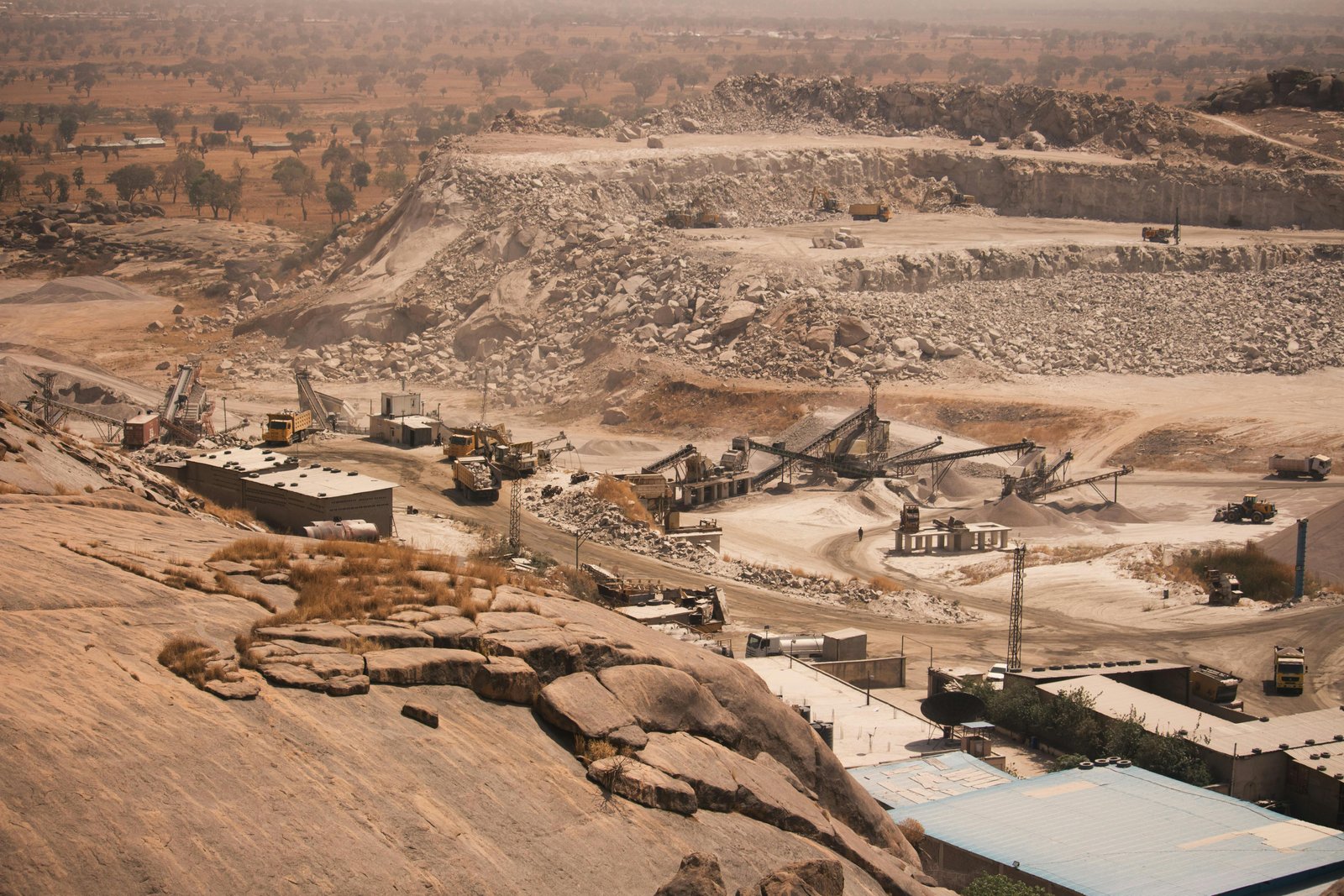
Stone quarrying along River Mutonga was concentrated near the river, where access and exposed granite deposits supported intensive extraction. The study found both environmental change and mixed socio-economic effects, with residents reporting income benefits as well as degradation and safety concerns.
Why the authors say this matters
The authors conclude that quarrying is creating pressures that call for sustainable quarry management, including post-extraction rehabilitation, environmental monitoring, and enforcement of land use regulations. The study suggests these steps are needed in response to the impacts it identified.
What the researchers tested
The researchers mapped active and abandoned quarry sites using GPS coordinates and high-resolution satellite imagery. They analyzed Sentinel-2 images from 2015, 2020, and 2025 with a Random Forest classifier in Google Earth Engine to detect land use and land cover change, and they used household surveys to assess perceived ecological and socio-economic impacts.
What worked and what didn't
The study mapped 20 quarry sites in total: 11 active and 9 abandoned, with sizes ranging from about 0.15 ha to 1.20 ha. Land use and land cover analysis showed quarry areas increased by 0.18 km² (61.8%) between 2015 and 2025, while built-up areas increased by 0.17 km² (100%) and bare land by 2.23 km² (56.03%); residents also reported land degradation, vegetation loss, water pollution, accidents, and hazards from water-filled abandoned quarries.
What to keep in mind
The abstract does not describe detailed study limitations or uncertainty beyond reporting perceived impacts from household surveys. The findings are specific to the River Mutonga area in Imenti South, Meru County, Kenya.
Key points
- Quarrying was concentrated along River Mutonga because of access and exposed granite deposits.
- The study mapped 20 quarry sites: 11 active and 9 abandoned.
- Quarry area increased by 0.18 km² from 2015 to 2025.
- Built-up area and bare land also increased over the study period.
- Residents reported both income benefits and environmental degradation, pollution, and safety risks.
Disclosure
- Research title:
- Quarrying along River Mutonga changed land cover and affected households
- Publication date:
- 2026-03-10
- OpenAlex record:
- View
- Image credit:
- Pexels • LekePOV · Pexels License
Get the weekly research newsletter
Stay current with peer-reviewed research without reading academic papers — one filtered digest, every Friday.