

What the study found
The study argues that BRICS countries use climate-related legal discourse to challenge Western narratives in global climate governance. It also says that the knowledge system underlying legal and political discourse is central to changing power structures in this area.
Why the authors say this matters
The authors say the Global South needs an autonomous knowledge system to resist the universalization and objectification of Western knowledge. They conclude that a shift in epistemology, meaning a change in how knowledge is framed and authorized, is needed to change power structures in global climate governance.
What the researchers tested
The article analyzes the request for an advisory opinion on the obligations of states in respect of climate change, adopted by the United Nations General Assembly in 2023 and submitted to the International Court of Justice. It uses comparative legal discourse analysis to examine the core discourse of BRICS countries in climate governance and how these discourses are constructed.
What worked and what didn't
The article presents BRICS as an important example of South-South cooperation and says it can help challenge Western narratives and offer alternative governance models. It emphasizes that climate litigation is not only a legal tool but also a means of discourse construction.
What to keep in mind
The abstract does not provide specific findings from the discourse analysis beyond these broad claims. It also does not describe detailed limitations, sample scope, or the full set of BRICS country materials analyzed.
Key points
- The article argues that BRICS climate discourse challenges Western dominance in global climate governance.
- It says climate litigation also functions as a way to build and shape discourse.
- The authors argue that the Global South needs an autonomous knowledge system.
- The study analyzes the 2023 UN General Assembly request for an ICJ advisory opinion on states' climate obligations.
- The abstract does not give detailed limits or specific country-by-country results.
Disclosure
- Research title:
- BRICS discourse challenges Western climate governance narratives
- Publication date:
- 2026-03-10
- OpenAlex record:
- View
- Image credit:
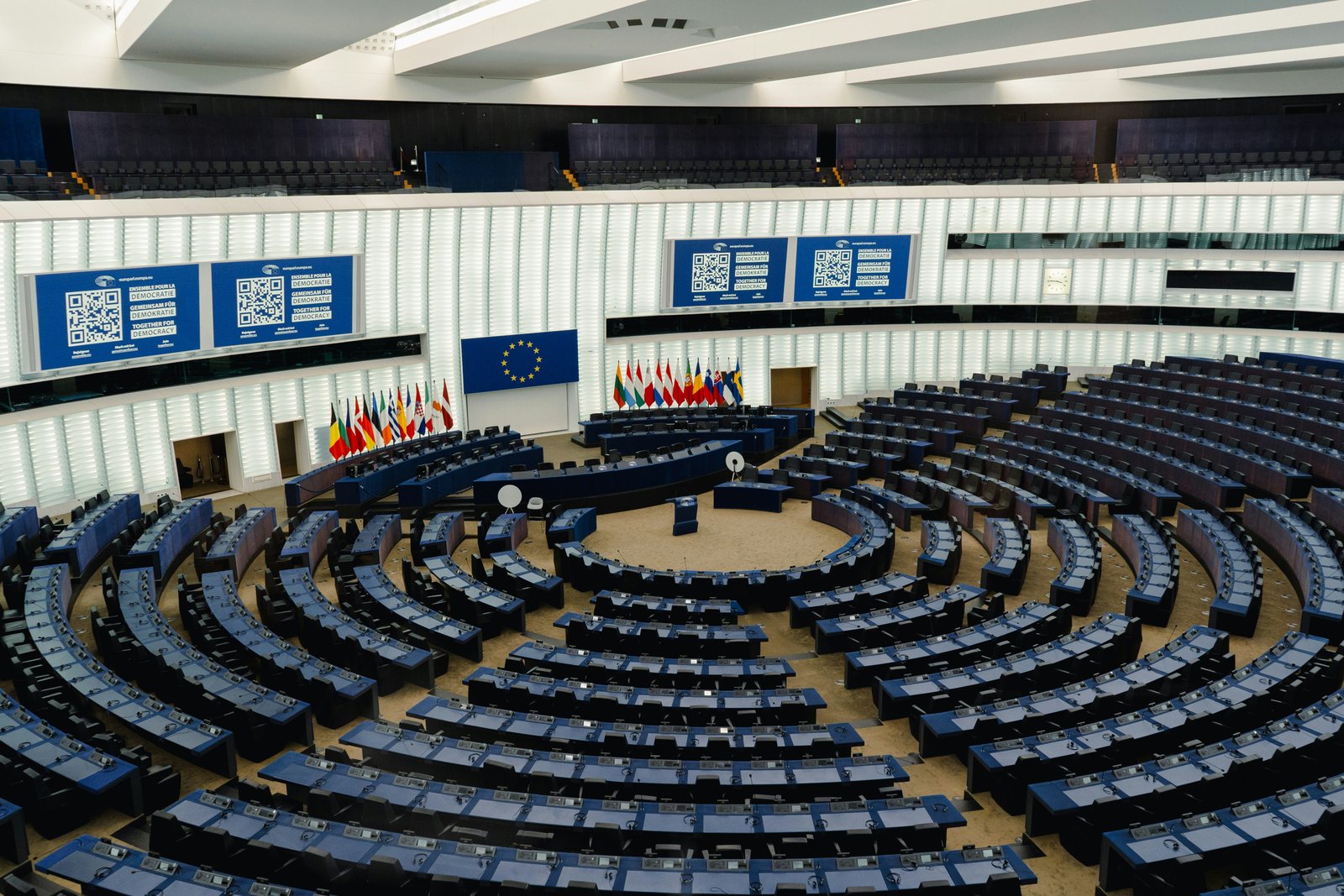
- Photo by Nico Ruge on Unsplash · Unsplash License
Get the weekly research newsletter
Stay current with peer-reviewed research without reading academic papers — one filtered digest, every Friday.