

What the study found
Devolution in northern Kenya has, according to the study, functioned as a violent territorializing process that reassembles governance into exclusionary ethnic orders. The authors report that boundary-making has militarized pastoral commons and that violence has shifted from livestock rustling to a political technique of territorial control.
Why the authors say this matters
The authors conclude that devolution has not only decentralized power but has also institutionalized a violence assemblage, making the county unit a vehicle for ethno-territorial dominance and dispossession. The study suggests that this matters because it changes how the authors understand conflict, governance, and settlement boundaries in pastoral rangelands.
What the researchers tested
The paper uses assemblage theory to examine how devolution has changed the logic of pastoral conflict in northern Kenya. It is based on qualitative research conducted between 2022 and 2024 in the contested borderlands of Amaya and Lorogon, at the intersections of Samburu, Baringo, Turkana, and West Pokot counties.
What worked and what didn't
The findings show that violence has evolved from an economic survival strategy, described as livestock rustling, into a political technique of territorial control marked by sieges, maiming, and targeted killings intended to displace rival communities. The study also finds that county elites, security actors, and armed warriors assemble to enforce boundaries that administrative maps cannot guarantee.
What to keep in mind
The abstract describes the study as focused on specific contested borderlands in northern Kenya, so the findings are limited to that setting. The available summary does not provide additional methodological detail or explicit limitations beyond the study area and time period.
Key points
- The study argues that devolution in northern Kenya has produced exclusionary ethnic orders.
- Boundary-making is described as having militarized the pastoral commons in Amaya and Lorogon.
- Violence is presented as shifting from livestock rustling to territorial control.
- The abstract says sieges, maiming, and targeted killings are used to displace rival communities.
- County elites, security actors, and armed warriors are said to help enforce boundaries.
Disclosure
- Research title:
- Devolution in northern Kenya is linked to territorial violence
- Publication date:
- 2026-03-04
- OpenAlex record:
- View
- Image credit:
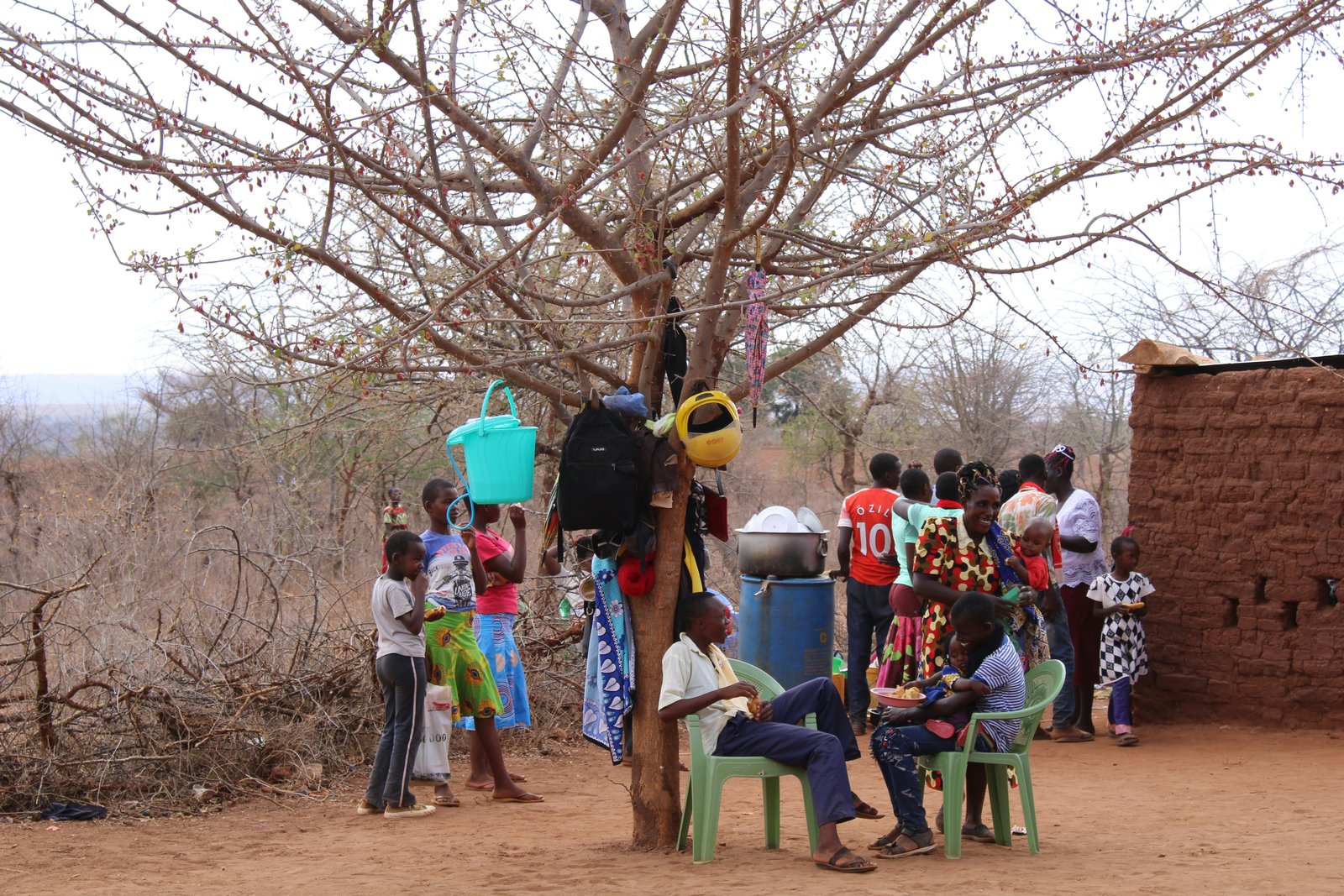
- Photo by Oscar Omondi on Unsplash · Unsplash License
Get the weekly research newsletter
Stay current with peer-reviewed research without reading academic papers — one filtered digest, every Friday.