

This article examines the idea that humans have entered a new geological phase often called the Anthropocene, and it explores what that shift means for culture, nature, and human-made systems. It argues that design acts as a connective tool across disciplines and calls for rethinking how the artificial and the natural relate. The author proposes research directions that aim to 'naturalize' human artefacts to support economic, social, and environmental sustainability. The piece highlights the need to move beyond anthropocentrism and to build collaborations between science and the arts to protect biodiversity and reshape human practices.
What the study examined
The article considers the transition from the Holocene to what many call the Anthropocene — a new phase of earth history driven by human activity. It looks at this change from both geological and cultural angles, and brings in philosophical and scholarly positions that question the boundary between nature and the artificial.
Central to the discussion is the role of design as a transversal device: a way to connect different kinds of knowledge and to think about human action across material, social, and environmental domains.
Key findings
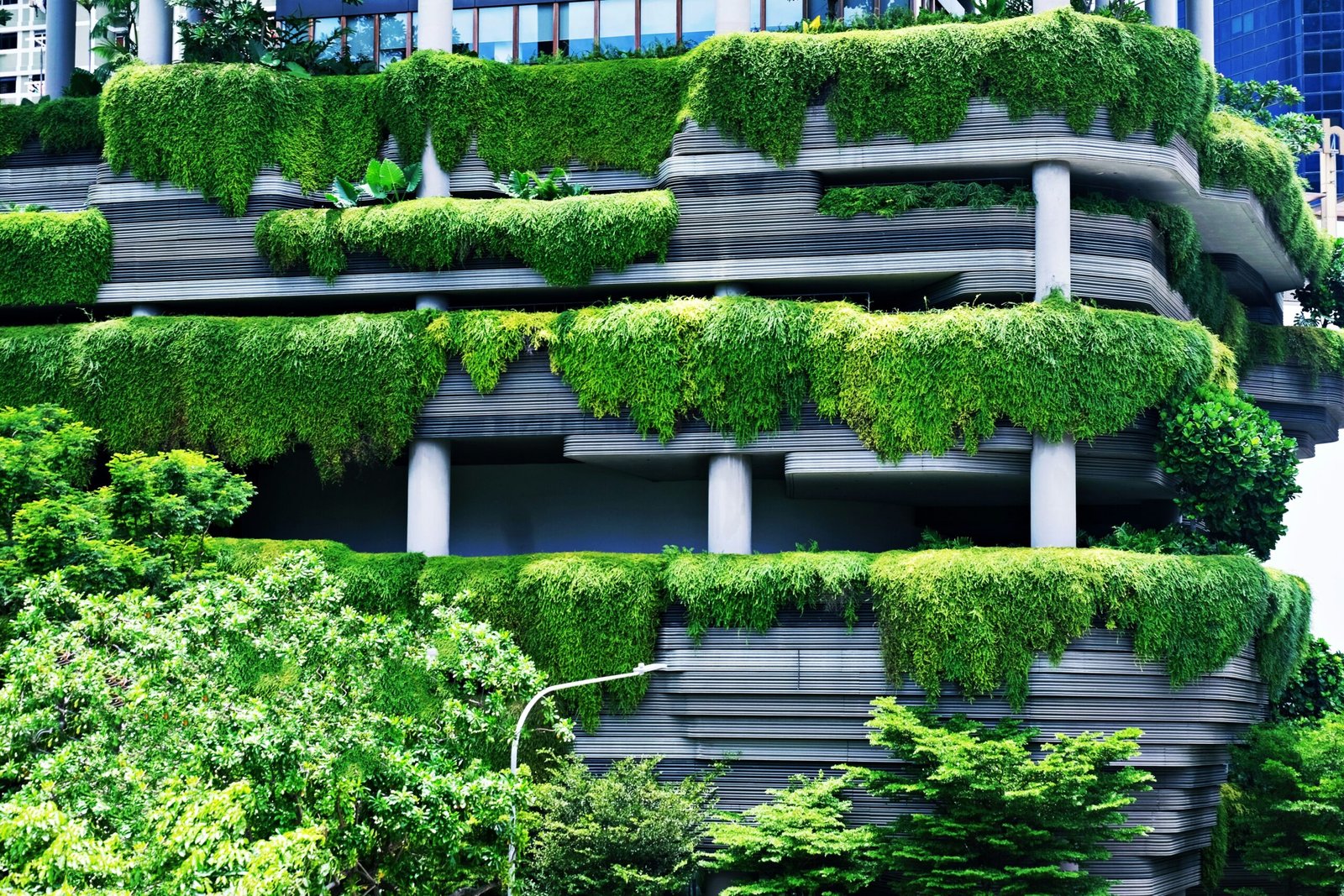
The author argues for the necessity of a radical re-thinking of how human-made things relate to the living world. One proposed direction is the “naturalization” of artifice, meaning a reorientation of human artefacts and systems so they better fit ecological needs while also addressing social and economic sustainability.
The article frames several guiding questions: what happens to humanity if functional nature and biodiversity are not preserved, and how might human impact on species and ecosystems be reduced by changing economic and social activities? It also calls for a critique of anthropocentrism — the idea that humans are the central or most important element of existence — paired with a renewed sense that humans belong to nature and act in the name of knowledge.
Finally, the author highlights interdisciplinary work as essential. In particular, collaboration between scientific study of natural mechanisms and the creative practices of the arts is presented as a promising research field that can produce new design pathways for biodiversity conservation.
Why it matters
By connecting cultural thought, philosophy, science, and creative practice, the article suggests ways to address pressing ecological challenges without isolating any single field. Reframing human activity to align more closely with ecological functioning aims to reduce harmful impacts while supporting broader sustainability goals.
Emphasizing a reconciliation with nature rather than domination, the work points toward conscious projects and lifestyle shifts that could replace destructive practices. The partnership of scientific knowledge and artistic creativity is presented as a practical and intellectual route for imagining and shaping futures where biodiversity and human systems coexist more harmoniously.
Disclosure
- Research title: The International Journal of Architectonic, Spatial, and Environmental Design
- Authors: Federica Dal Falco
- Journal / venue: The International Journal of Architectonic Spatial and Environmental Design (2026-01-28)
- DOI: 10.18848/2325-1662/cgp
- OpenAlex record: View on OpenAlex
- Links: Landing page
- Image credit: Photo by Danist Soh on Unsplash (Source • License)
- Disclosure: This post was generated by Artificial Intelligence. The original authors did not write or review this post.