

What the study found
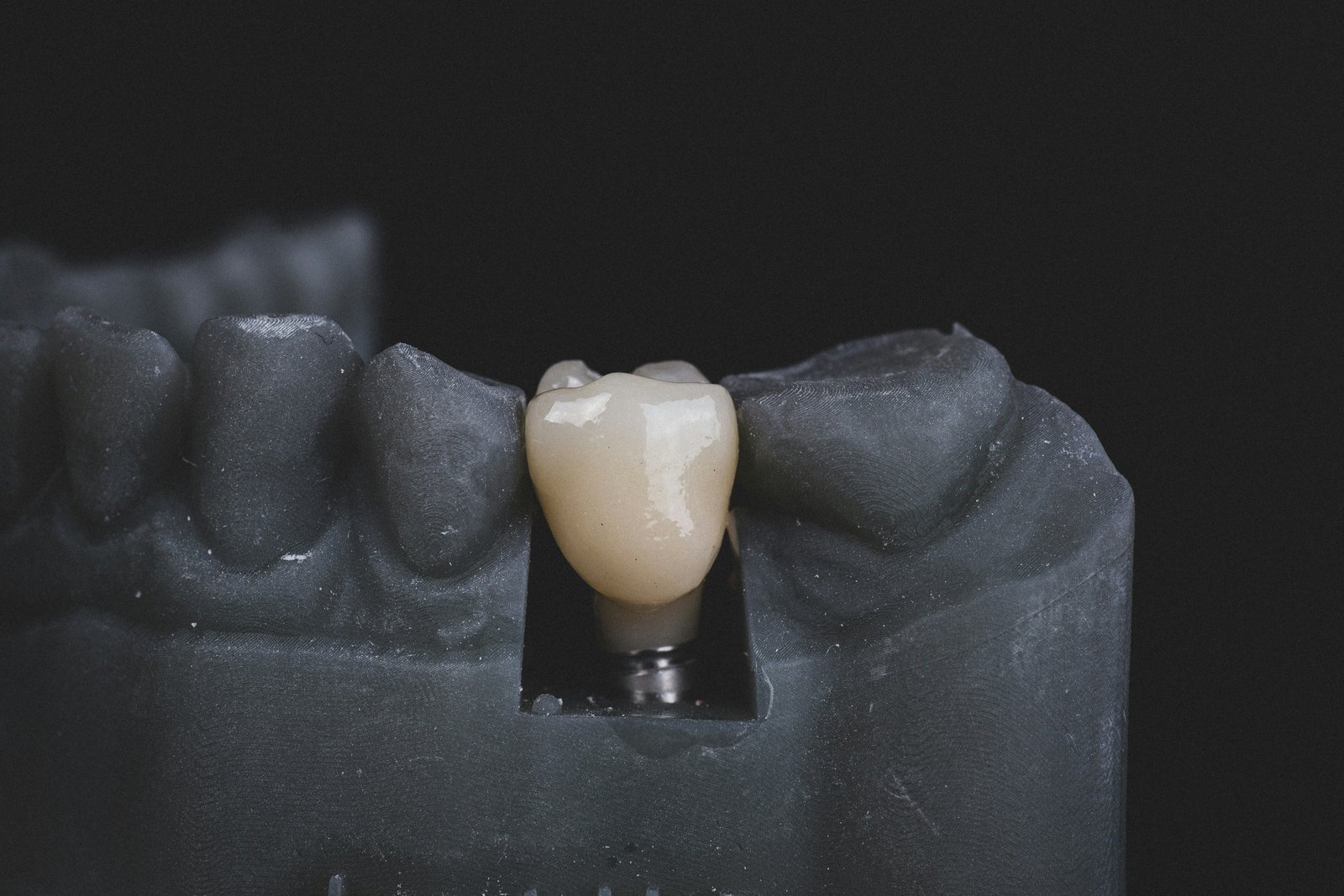
Implant site preparation technique was associated with different amounts of crestal bone loss around dental implants. Conventional drilling showed the least bone loss, bone expansion showed more, and ridge split showed the most over the follow-up period.
Why the authors say this matters
The authors conclude that implant site preparation techniques can significantly influence peri-implant crestal bone remodeling, which is the change in bone around an implant near the gumline. They suggest this is relevant when choosing a technique for different ridge conditions.
What the researchers tested
The study was a prospective clinical comparative study of 72 implant sites in patients aged 25 to 55 years who needed implant-supported rehabilitation. The sites were divided into three groups of 24 implants each: conventional drilling, bone expansion, and ridge split. Crestal bone levels were measured with cone-beam computed tomography immediately after placement and at 3, 6, and 12 months.
What worked and what didn't
Crestal bone loss increased over time in all three groups. At 3, 6, and 12 months, the groups differed significantly for both mesial and distal bone loss, with ridge split showing the highest loss, bone expansion intermediate loss, and conventional drilling the least loss. Within each group, bone loss generally increased over time, except that the conventional drilling group did not show a significant difference between 6 and 12 months.
What to keep in mind
The abstract does not describe limitations beyond the study design and follow-up period. The findings are limited to the 72 implant sites studied and to the time points measured up to 12 months.
Key points
- The study compared crestal bone loss after three implant site preparation techniques: conventional drilling, bone expansion, and ridge split.
- Conventional drilling had the least crestal bone loss, while ridge split had the most.
- Bone loss increased over time in all three groups.
- The differences among groups were statistically significant at 3, 6, and 12 months for both mesial and distal measurements.
- The abstract does not report limitations beyond the sample size and 12-month follow-up.
Disclosure
- Research title:
- Crestal bone loss varied by implant site preparation technique
- Publication date:
- 2026-03-30
- OpenAlex record:
- View
- Image credit:
- Photo by Bogdan condr on Unsplash · Unsplash License
Get the weekly research newsletter
Stay current with peer-reviewed research without reading academic papers — one filtered digest, every Friday.