

What the study found
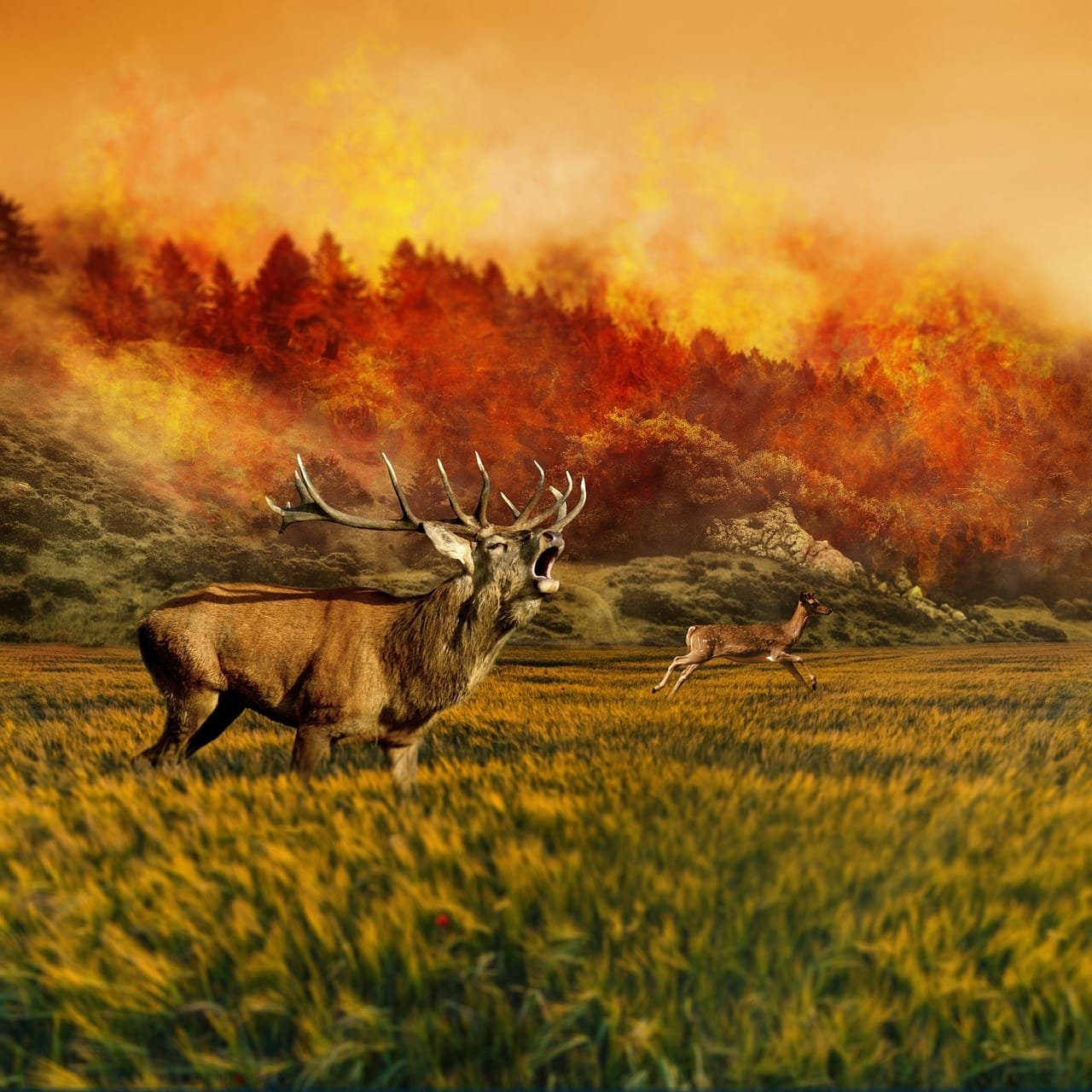
The study found that wildfire risk under carbon neutrality varies by region in China because different climate drivers act in different ways. In particular, aerosol reductions can raise wildfire risk, while greenhouse gas (GHG) reductions can lower it.
Why the authors say this matters
The authors conclude that understanding how emissions reductions change regional wildfire risk is important for climate adaptation under carbon neutrality scenarios. The findings indicate that wildfire management needs to account for differing regional climate responses while emissions are reduced.
What the researchers tested
The researchers used the coupled Community Earth System Model (CESM1) to examine how reductions in aerosol emissions and greenhouse gas emissions affect wildfire risk in major fire-prone regions of China. They compared regional responses under future carbon neutrality scenarios.
What worked and what didn't
Aerosol reductions amplified wildfire risk, especially in southern China, by weakening atmospheric cooling and increasing dryness. GHG reductions lowered wildfire risk by decreasing temperature and increasing precipitation. The GHG-driven reduction in risk was larger than the aerosol-driven increase, but the balance differed substantially by region, with northern and southern China showing distinct dominant wildfire drivers.
What to keep in mind
The summary does not describe detailed limitations beyond the focus on major fire-prone regions in China and future carbon neutrality scenarios. The results are based on model-based analysis using CESM1.
Key points
- Wildfire risk under carbon neutrality varied regionally across China.
- Aerosol reductions increased wildfire risk, especially in southern China.
- GHG reductions decreased wildfire risk by lowering temperature and raising precipitation.
- The wildfire-risk effects of aerosols and GHGs differed between northern and southern China.
- The study used the coupled Community Earth System Model (CESM1).
Disclosure
- Research title:
- Emissions cuts have different wildfire effects across China
- Authors:
- Lili Ren, Shicheng Yan, Yang Yang, Hailong Wang
- Institutions:
- Nanjing University of Information Science and Technology, Nanjing University of Information Science and Technology, Pacific Northwest National Laboratory, Yunnan Open University
- Publication date:
- 2026-03-07
- OpenAlex record:
- View
- Image credit:
- Pixabay • 51581 · Pixabay License
Get the weekly research newsletter
Stay current with peer-reviewed research without reading academic papers — one filtered digest, every Friday.