

AI Summary of Peer-Reviewed Research
This page presents an AI-generated summary of a published research paper. The original authors did not write or review this article. See full disclosure ↓
⚠️ This article summarizes published research and is intended for informational purposes only. It does not constitute medical advice or clinical guidance.
Publication Signals show what we were able to verify about where this research was published.STRONGWe verified multiple publication signals for this source, including independently confirmed credentials. Publication Signals reflect the source’s verifiable credentials, not the quality of the research.
- ✔ Peer-reviewed source
- ✔ Published in indexed journal
- ✔ No retraction or integrity flags
Key findings from this study
- The study found that natural SARS-CoV-2 infection produced durable antibody responses in Rohingya refugees, whereas vaccine-induced immunity declined rapidly despite initial robust elevation.
- The researchers demonstrate that standard vaccination schedules require modification in high-density humanitarian settings to maintain protective immunity levels.
- The authors report that longitudinal serological monitoring is necessary to guide timely booster administration and sustain population-level protection in refugee camps.
Overview
This longitudinal serological study assessed antibody responses to SARS-CoV-2 among Rohingya refugees in Cox's Bazar, Bangladesh, following both natural infection and vaccination. The research tracked immune responses over time to characterize durability of protection in a high-density humanitarian setting with limited healthcare infrastructure.
Methods and approach
The study employed longitudinal serological monitoring to measure antibody responses in the refugee population. Researchers collected samples across multiple timepoints following natural infection and vaccination to track the trajectory of immune responses and identify patterns of waning immunity.
Results
Natural SARS-CoV-2 infection generated robust and sustained antibody responses in study participants. Vaccine-induced immunity rose sharply but declined rapidly, contrasting with the durability observed following natural infection. These differential kinetics indicate that vaccination schedules require optimization for this population.
Implications
The marked decline in vaccine-induced antibody levels demonstrates that booster vaccination timing cannot follow standardized protocols developed for higher-resource settings. Humanitarian contexts present distinct epidemiological and logistical challenges that necessitate adapted immunization strategies. Tailored approaches accounting for population density, living conditions, and healthcare access will optimize pandemic preparedness in displaced populations.
Serological monitoring emerged as essential for maintaining protective immunity in refugee camps. Real-time assessment of antibody waning enables targeted public health intervention before community protection deteriorates. Implementing regular serological surveillance alongside vaccination campaigns can guide evidence-based booster scheduling and resource allocation in resource-constrained environments.
The findings underscore vulnerability of displaced populations to future outbreaks without sustained immunological oversight. Pandemic preparedness in humanitarian settings requires integration of longitudinal immunological monitoring, flexible vaccination strategies, and culturally appropriate communication. These data support the case for dedicated funding and technical support for immunosurveillance in refugee populations globally.
Scope and limitations
This summary is based on the study abstract and available metadata. It does not include a full analysis of the complete paper, supplementary materials, or underlying datasets unless explicitly stated. Findings should be interpreted in the context of the original publication.
Disclosure
- Research title: Longitudinal serological response to SARS-CoV-2 among rohingya refugees in cox’s bazar, Bangladesh: implications for pandemic preparedness in humanitarian settings
- Authors: Nabid Anjum Tanvir, Abu Bakar Siddik, Sharmin Aktar Mukta, Mohammad Saiful Islam, Moon Moon Monisha Dey, Shariful Islam Khan, Zahirul Islam, Abu Toha M. R. H. Bhuiyan, Md Rofiqur Rahman, Julia Lynch, Valentina Picot
- Institutions: Bangladesh Fisheries Research Institute, Bangladesh Institute of Development Studies, Fondation Mérieux, Hope Foundation, International Centre for Diarrhoeal Disease Research
- Publication date: 2026-03-08
- DOI: https://doi.org/10.1186/s13031-026-00774-5
- OpenAlex record: View
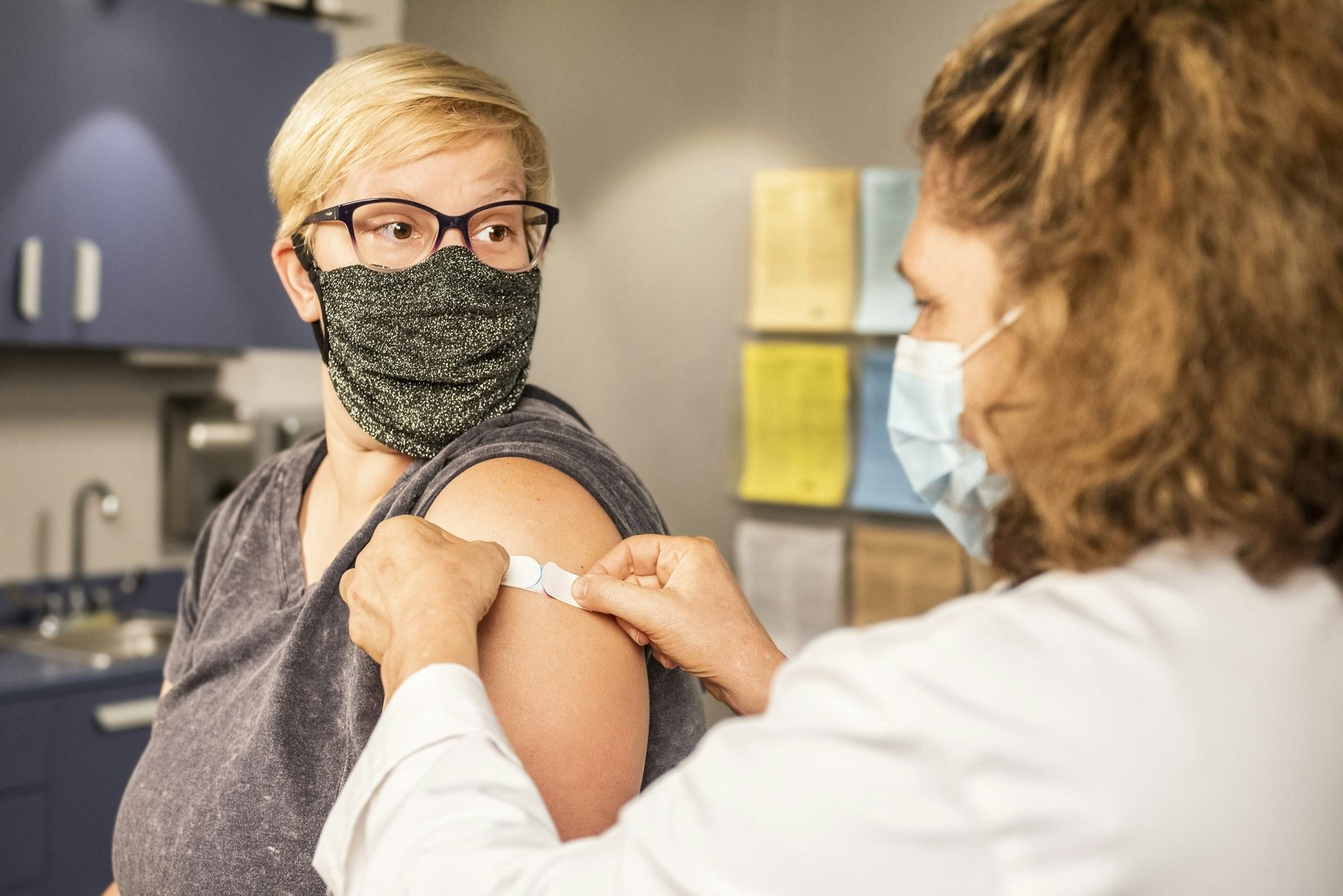
- Image credit: Photo by CDC on Unsplash (Source • License)
- Disclosure: This post was generated by Claude (Anthropic). The original authors did not write or review this post.
Get the weekly research newsletter
Stay current with peer-reviewed research without reading academic papers — one filtered digest, every Friday.


