

What the study found
The article states that noise is not always just a problem in measurement; in some situations, it is the signal that needs to be measured. It gives examples such as characterizing a sensitive amplifier by its noise figure and assessing a device’s electromagnetic compatibility, meaning how well it works without being affected by or causing electromagnetic interference.
Why the authors say this matters
The authors indicate that this matters because delicate measurements often have to deal with noise from the system itself or from the environment. The study suggests that, when noise is the quantity of interest, it should be quantified rather than only reduced.
What the researchers tested
This is a research article about measurement methodology. The abstract describes the general measurement problem of noise and identifies situations where noise becomes the target of measurement, but it does not provide details on a specific experiment, dataset, or instrument setup.
What worked and what didn't
The abstract does not report specific experimental results. It does state that measuring noise is relevant in cases such as amplifier noise figure characterization and electromagnetic compatibility assessment, while also noting that noise can arise from the system or the environment.
What to keep in mind
The available summary is limited to the title and abstract, so no detailed methods, results, or limitations are described. The article’s scope appears to be methodological and example-based rather than reporting a specific study outcome.
Key points
- Noise is presented as something that can be the signal of interest, not only a disturbance.
- The abstract names amplifier noise figure as one example of measuring noise.
- The abstract also names electromagnetic compatibility as another example of quantifying noise-related behavior.
- Noise may come from the system itself or from the environment, according to the abstract.
- No specific experimental results or limitations are described in the available abstract.
Disclosure
- Research title:
- Noise can be treated as a measurement signal
- Publication date:
- 2026-02-01
- OpenAlex record:
- View
- Image credit:
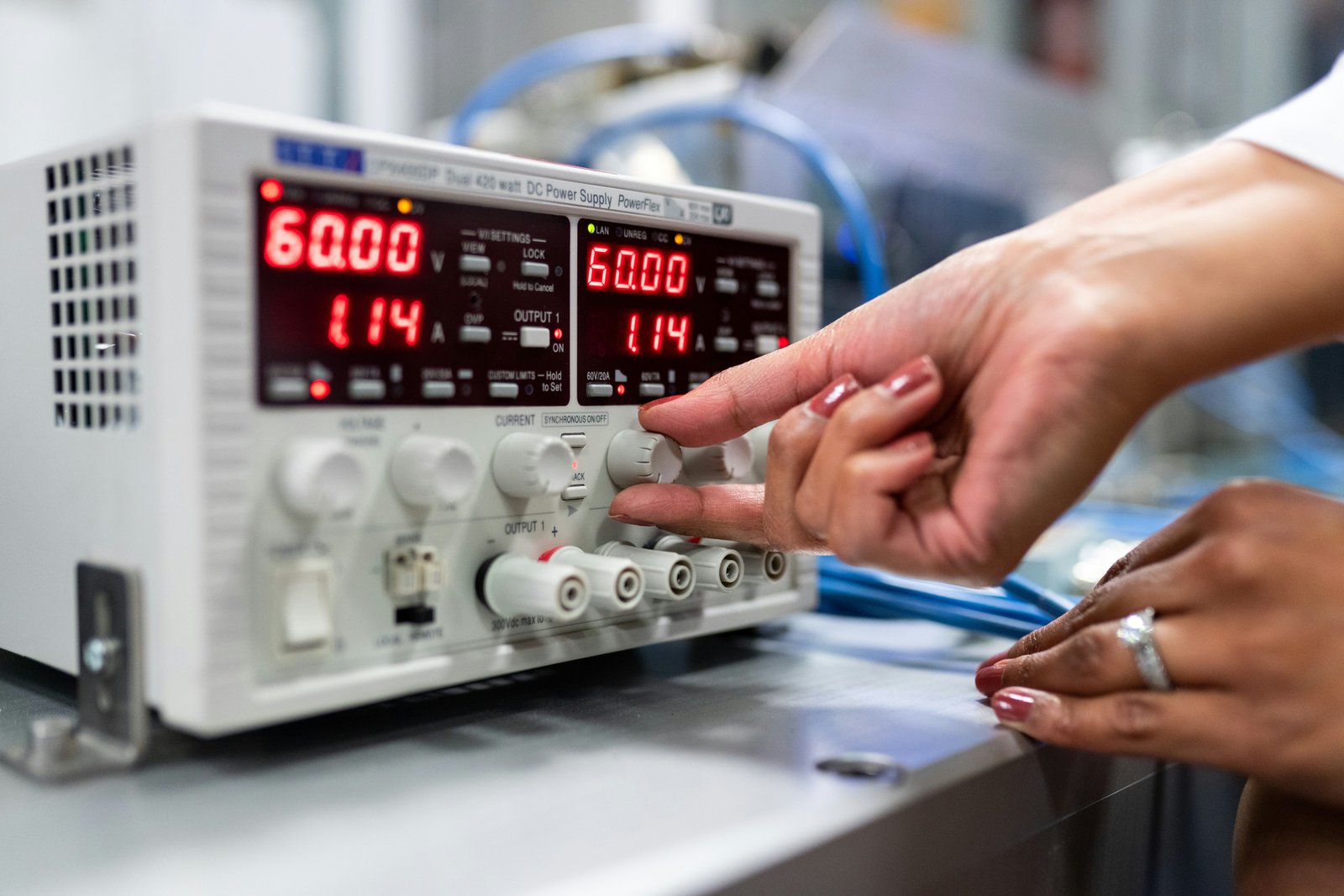
- Photo by ThisisEngineering on Unsplash · Unsplash License
Get the weekly research newsletter
Stay current with peer-reviewed research without reading academic papers — one filtered digest, every Friday.