

What the study found
The study found that total dissolved gas (TDG) saturation can be inferred from dissolved oxygen (DO) data, and that direct carcass counts can seriously underestimate fish-kill mortality. It also found a temporal lag between the true peak in mortality and when carcasses were recovered.
Why the authors say this matters
The authors conclude that this integrated approach offers a more robust way to quantify impacts and expand monitoring capacity. They also say it can support more rigorous environmental licensing processes in the Neotropical region.
What the researchers tested
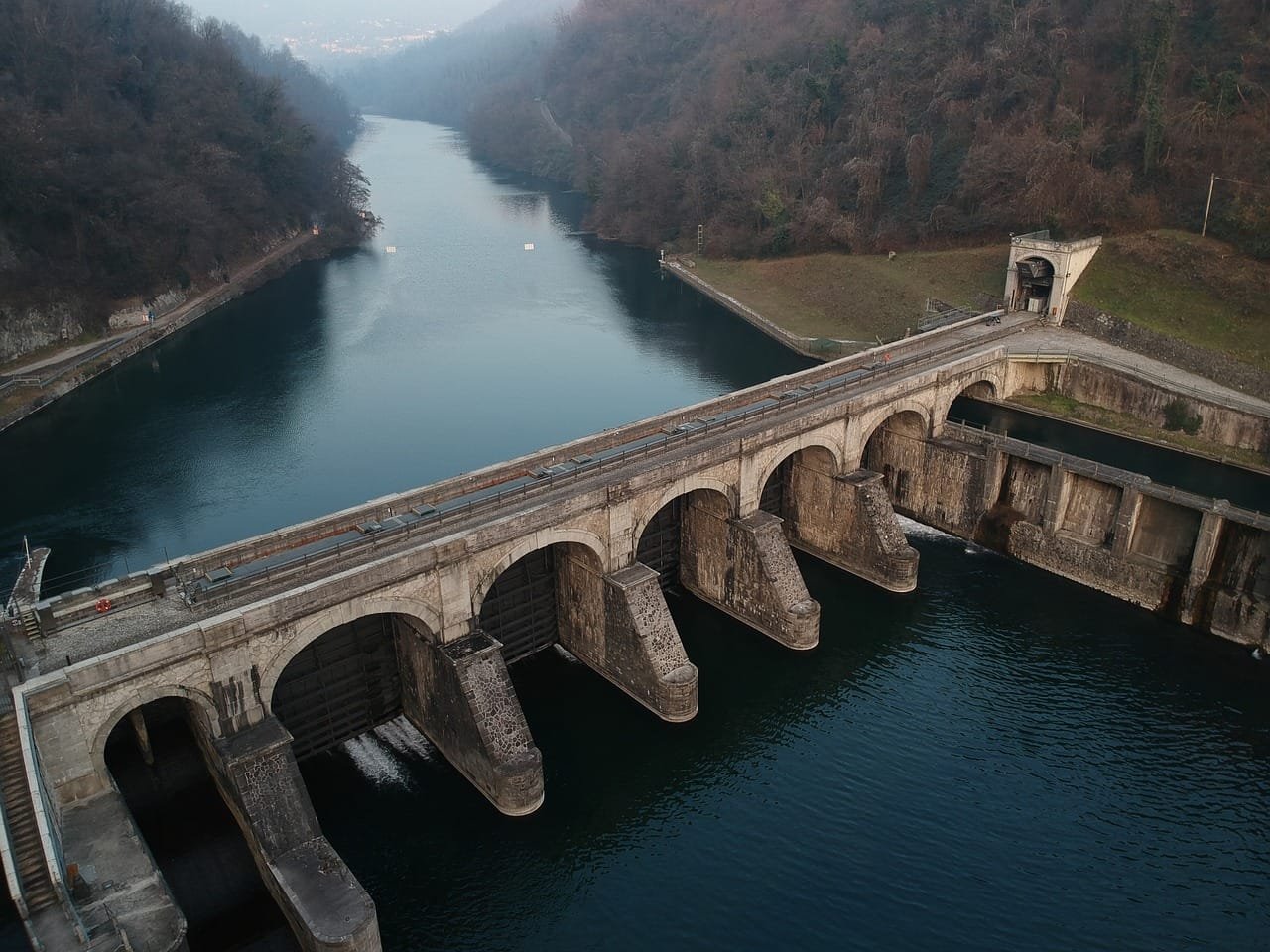
The researchers proposed a framework with two parts: using thermodynamic principles to infer TDG saturation from more readily available DO data, and using a Bayesian multistate model to estimate daily mortality while accounting for decomposition stages and catchability. They applied the approach to a fish-kill event at an Amazonian hydroelectric dam.
What worked and what didn't
The models indicated that TDG levels can be accurately inferred from DO data. The study also found that carcass detection probabilities were low, so direct counts substantially underestimated mortality, and that there was a noticeable delay between the mortality peak and carcass recovery.
What to keep in mind
The abstract emphasizes one application at a fish-kill event in the Amazon, so the scope described here is limited to that setting. It also notes that these events are hard to diagnose and quantify because of data scarcity and rapid carcass decomposition; additional limitations are not described in the available summary.
Key points
- TDG saturation was inferred from dissolved oxygen data using thermodynamic principles.
- A Bayesian multistate model was used to estimate daily mortality while accounting for decomposition and catchability.
- Direct carcass counts underestimated the size of the mortality event because detection probabilities were low.
- There was a temporal lag between the actual mortality peak and carcass recovery.
- The authors say the framework may support more rigorous environmental licensing in the Neotropical region.
Disclosure
- Research title:
- Framework links dissolved oxygen to fish-kill mortality estimates
- Authors:
- Diego Corrêa Alves, Alejandro Giraldo Pérez, Lilian Paula Vasconcelos, Miguel [UNESP] Petrere, Ran Li, Jingjie Feng, Ângelo Antônio Agostinho
- Institutions:
- Sichuan University, Sichuan University, Universidade Estadual de Maringá, Universidade Estadual de Maringá, Universidade Estadual de Maringá, Universidade Federal de Minas Gerais, Universidade Santa Cecília
- Publication date:
- 2026-03-07
- OpenAlex record:
- View
- Image credit:
- Pixabay • Maja__Drone · Pixabay License
Get the weekly research newsletter
Stay current with peer-reviewed research without reading academic papers — one filtered digest, every Friday.