

What the study found
Adolescents with asthma generally expressed willingness to receive influenza and COVID-19 vaccines, but actual influenza vaccination rates were low. The study also found that parental vaccination status was strongly linked to adolescents’ vaccination behavior.
Why the authors say this matters
The authors state that asthma increases the risk of complications from influenza and COVID-19, and they suggest that improving vaccination coverage is important in this vulnerable group. They conclude that targeted education, stronger physician recommendations, and clear communication about vaccine safety are essential.
What the researchers tested
The researchers conducted a descriptive, cross-sectional study at a Pediatric Allergy and Immunology outpatient clinic between May and September 2022. They enrolled 212 adolescents aged 12–18 years with physician-confirmed asthma and their parents, and used a face-to-face structured questionnaire to assess demographics, vaccination history, knowledge, attitudes, and concerns.
What worked and what didn't
Only 23.6% of adolescents had ever received influenza vaccination, and 6.6% were vaccinated regularly. By contrast, 87.7% said they were willing to receive influenza vaccine and 81.6% were willing to receive COVID-19 vaccine. Parental influenza vaccination independently predicted adolescent influenza vaccination, and parental COVID-19 vaccination predicted adolescent willingness to receive COVID-19 vaccine; safety concerns, especially about long-term effects, were also decisive.
What to keep in mind
The study was cross-sectional and conducted in one outpatient clinic, so it describes associations in this specific setting rather than proving cause and effect. The abstract does not describe additional limitations beyond the study design and setting.
Key points
- In 212 adolescents with asthma, influenza vaccination was uncommon: 23.6% had ever received it and 6.6% were vaccinated regularly.
- Most adolescents said they were willing to receive vaccines: 87.7% for influenza and 81.6% for COVID-19.
- Parental vaccination status was the strongest determinant of adolescent vaccination behavior.
- Parental influenza vaccination predicted adolescent influenza vaccination, and parental COVID-19 vaccination predicted adolescent willingness to get COVID-19 vaccine.
- Safety concerns, especially about long-term effects, were important barriers.
Disclosure
- Research title:
- Parental vaccination strongly shaped uptake in adolescents with asthma
- Publication date:
- 2026-02-26
- OpenAlex record:
- View
- Image credit:
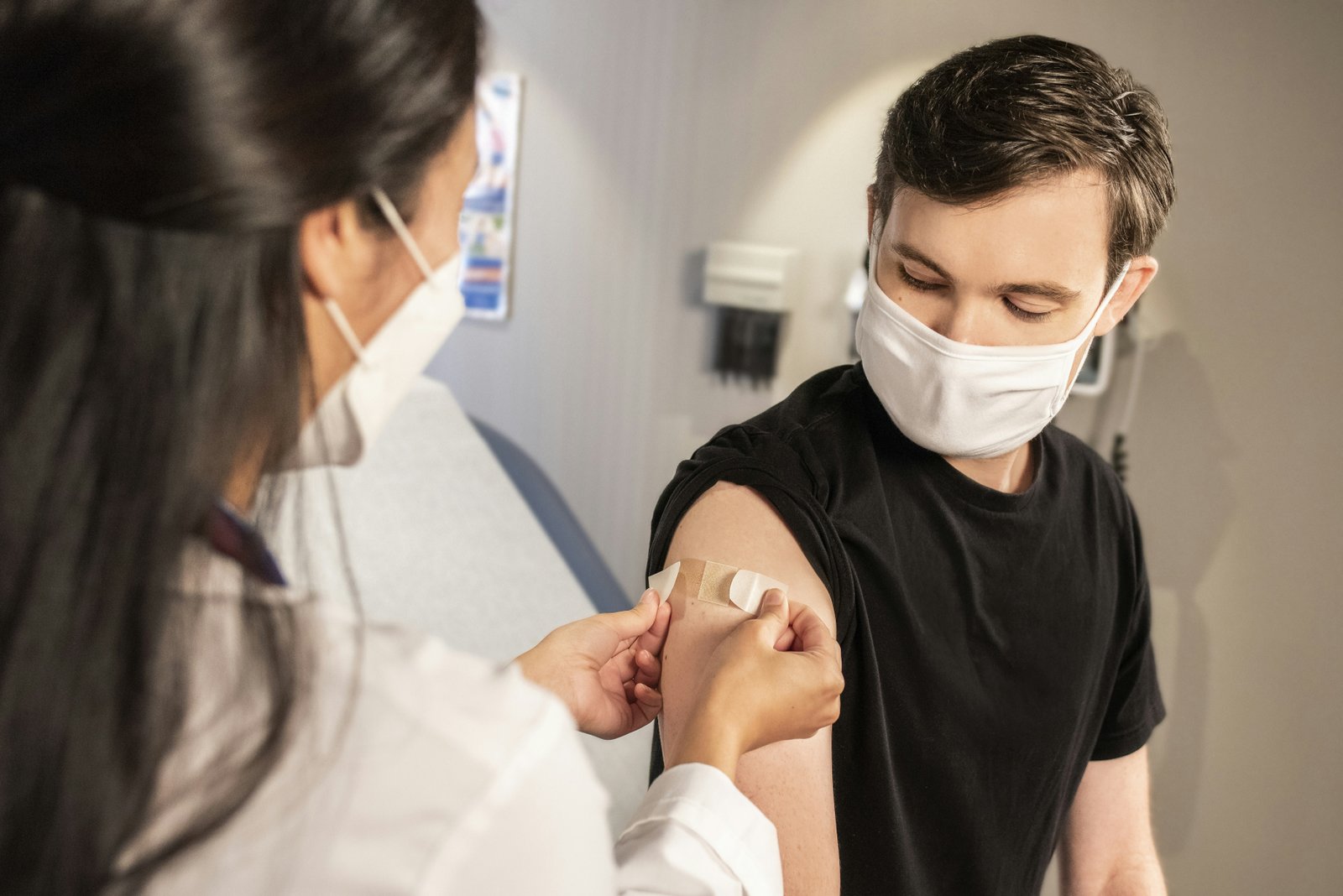
- Photo by CDC on Unsplash · Unsplash License
Get the weekly research newsletter
Stay current with peer-reviewed research without reading academic papers — one filtered digest, every Friday.