

Overview
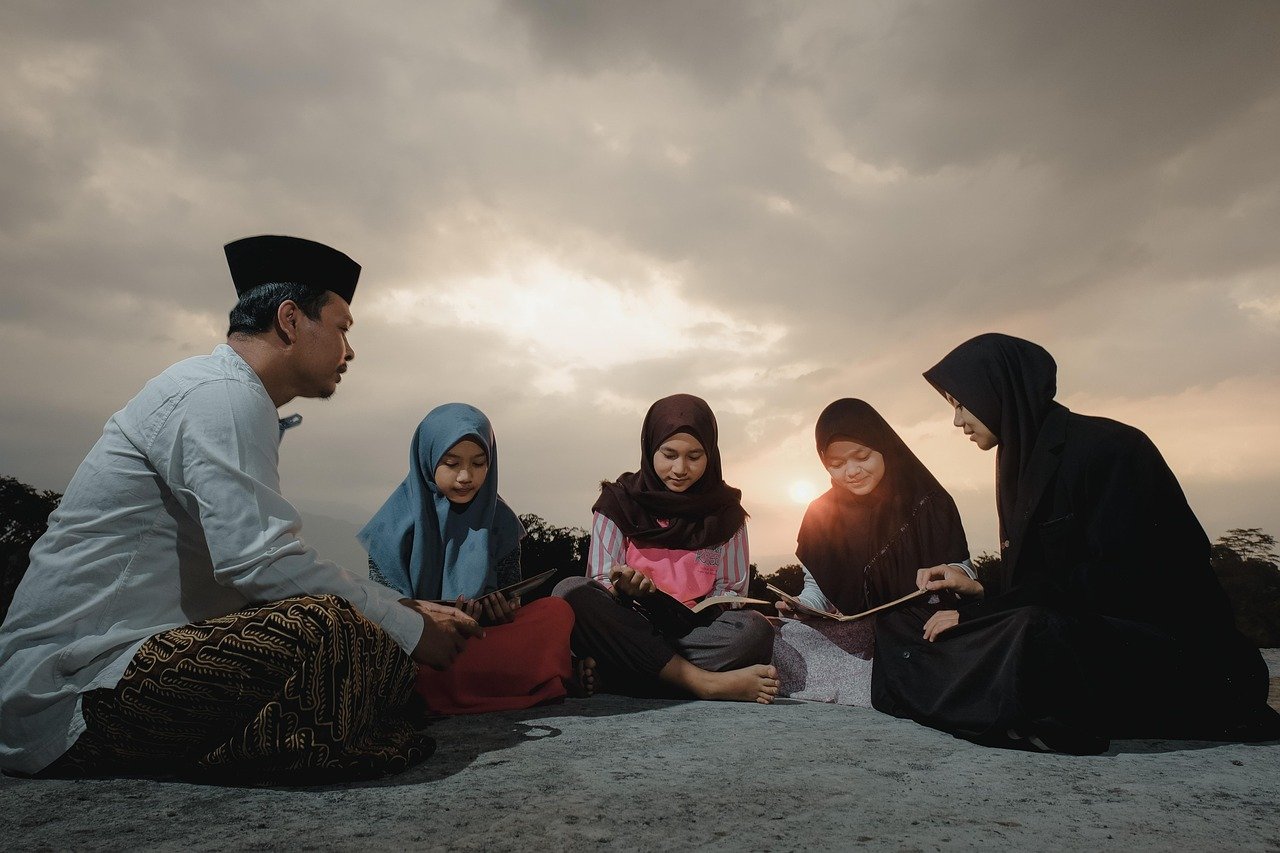
This research examines Ngaji Filsafat, a mosque-based study phenomenon among young Muslims in Yogyakarta that cultivates reflective engagement with Islamic thought through philosophical inquiry rather than canonical scriptural texts. The study addresses an apparent anomaly in contemporary Indonesian Islamic trends, as this movement demonstrates broad appeal and pluralist orientation despite documented patterns of conservative religious positioning. The phenomenon encompasses engagement with diverse intellectual sources including Greek philosophical traditions and contemporary non-Muslim thinkers, positioning itself as an alternative interpretive community within urban Muslim youth networks.
Methods and approach
The research employed qualitative methodology combining direct observation of Ngaji Filsafat gatherings with in-depth interviews conducted with both initiators and attendees. Data collection focused on understanding participant motivations, intellectual engagement patterns, and the social functions of these mosque-based forums. The methodological approach emphasized phenomenological understanding of how participants construct meaning through these study groups and navigate their religious-intellectual orientations within contemporary Indonesian society.
Key Findings
The study identifies that appeal to Ngaji Filsafat derives primarily from its utility as an interpretive resource for addressing everyday existential and practical challenges within neoliberal economic contexts, rather than from commitments to heightened piety or organized religious activism. The movement demonstrates capacity for attracting substantial youth participation through provision of philosophical and intellectual frameworks applicable to lived experience. Non-state actors function as primary agents in mainstreaming pluralist Islamic intellectual engagements, positioning themselves as autonomous mediators of religious interpretation distinct from both state regulatory structures and conventional institutional Islamic authority.
Implications
Existing analytical frameworks emphasizing either piety-centric religiosity or conservative-pluralist binaries demonstrate insufficient explanatory capacity for diverse Islamic expressions in post-New Order Indonesia. Alternative conceptual apparatus becomes necessary to account for Islamic intellectual movements organized around pragmatic negotiation of modernity rather than orthodoxy construction or activist mobilization. The findings suggest that understanding contemporary Islamic phenomena requires attention to how non-scriptural philosophical engagement functions as viable religious practice within specific socioeconomic contexts.
Disclosure
Key points
- Research title: Cultivating Reflective Islam
- Authors: Bhirawa Anoraga, Najib Kailani, Aflahah Misbah
- Publication date: 2026-02-25
- DOI: https://doi.org/10.32678/dmr.v3i2.89
- OpenAlex record: View
- PDF: Download
- Image credit: Photo by SyauqiFillah on Pixabay (Source • License)
- Disclosure: This post was generated by Claude (Anthropic). The original authors did not write or review this post.
Disclosure
- Research title:
- Cultivating Reflective Islam
- Publication date:
- 2026-02-25
- OpenAlex record:
- View
- Image credit:
- Pixabay • SyauqiFillah · Pixabay License
Get the weekly research newsletter
Stay current with peer-reviewed research without reading academic papers — one filtered digest, every Friday.