

Overview
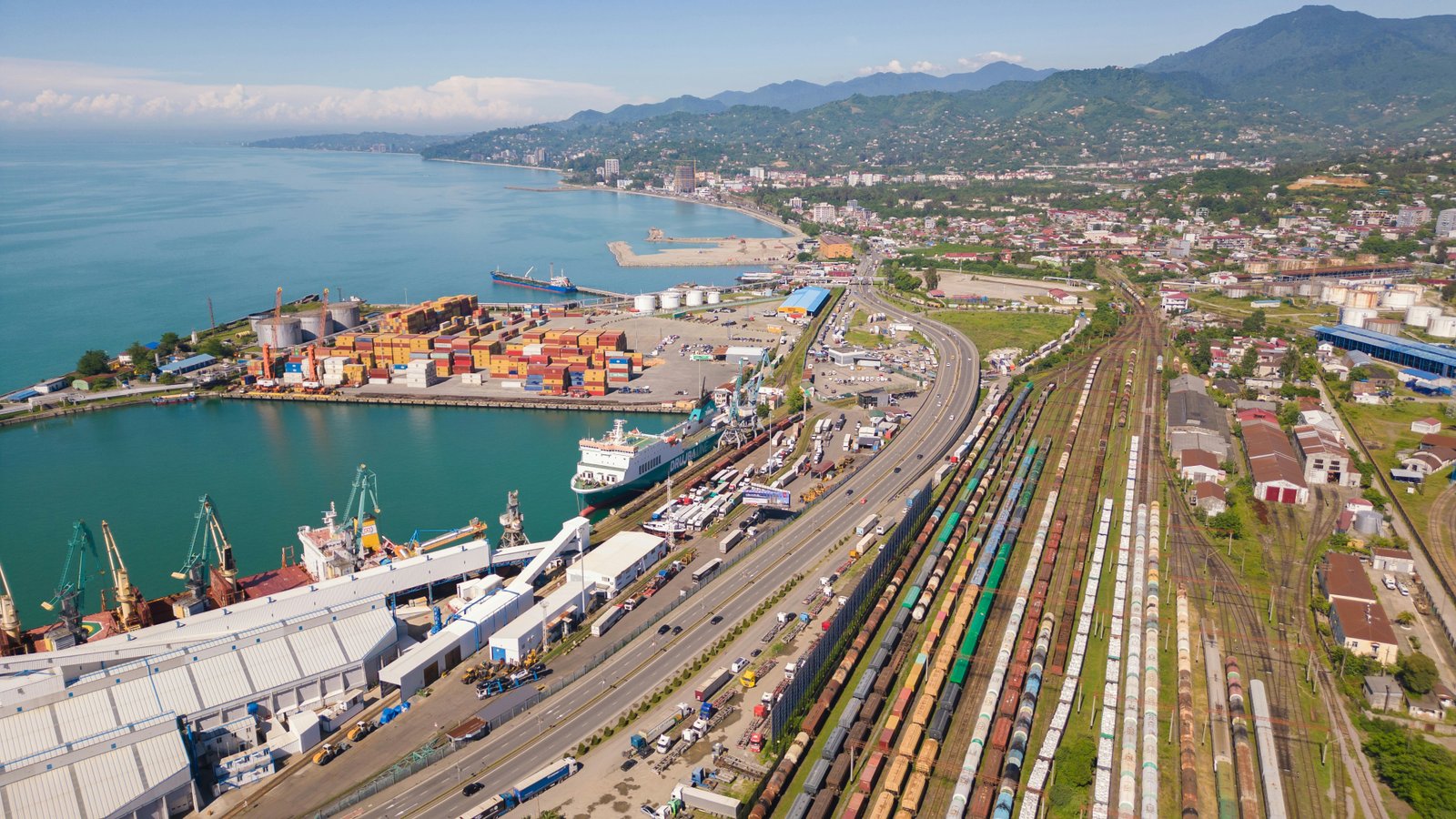
This research examines Romania's transitional role within reconfigured global supply chain architecture, analyzing the country's shift from a logistics transit point toward a central European hub. The study situates this transformation within the context of pandemic-induced supply chain regionalization, geopolitical disruptions, and structural economic pressures. Romania's strategic positioning, EU membership, and Black Sea access through the Port of Constanta establish a favorable operational environment for logistics investment, yet the country faces infrastructure deficiencies, administrative constraints, and labor market challenges that condition its competitive positioning.
Methods and approach
The research employs a comparative institutional analysis framework to identify and evaluate Romania's competitive advantages and structural constraints within European supply chain architectures. The methodology integrates assessment of geographical and infrastructural assets (port access, EU membership, operational cost structures), human capital indicators (workforce skills, labor migration patterns), and digital infrastructure readiness (logistics automation, IoT adoption, transport management systems). The analysis juxtaposes quantitative infrastructure metrics against qualitative institutional factors including administrative efficiency and digital adoption disparities across firm sizes.
Key Findings
The analysis reveals Romania's consolidation as a strategic logistics hub within Central and Eastern Europe, supported by low operational costs, skilled labor availability, and access to European funding mechanisms. Concurrent findings indicate substantial infrastructure gaps in road and rail networks, alongside administrative bureaucratic impediments and ongoing labor migration pressures. Digital transformation investments demonstrate notable progress in automated logistics centers, IoT technologies, and transport management platforms, though a persistent digital divide between large enterprises and SMEs constrains sectoral integration and efficiency gains.
Implications
Romania's logistics sector faces a critical juncture requiring strategic convergence of infrastructure investment, administrative modernization, and digitalization initiatives. The transition from transit corridor to central hub status depends upon addressing infrastructure deficiencies and reducing institutional friction that constrains competitiveness. Supply chain digitalization emerges as a foundational requirement for enhanced operational efficiency and transparency, necessitating targeted interventions to bridge digital adoption disparities across enterprise scales.
Disclosure
Key points
- Research title: Romania within the Smart Supply Chain Architecture: from Transit Point to Key Actor
- Authors: Ionut Ciprian Dobre, Dorel Paraschiv, Mihaela Gabriela Belu
- Publication date: 2026-01-21
- DOI: https://doi.org/10.24818/rej/2025/91/09
- OpenAlex record: View
- PDF: Download
- Image credit: Photo by Aleksandr Galichkin on Unsplash (Source • License)
- Disclosure: This post was generated by Claude (Anthropic). The original authors did not write or review this post.
Disclosure
- Research title:
- Romania within the Smart Supply Chain Architecture: from Transit Point to Key Actor
- Publication date:
- 2026-01-21
- OpenAlex record:
- View
- Image credit:
- Photo by Aleksandr Galichkin on Unsplash · Unsplash License
Get the weekly research newsletter
Stay current with peer-reviewed research without reading academic papers — one filtered digest, every Friday.