

What the study found
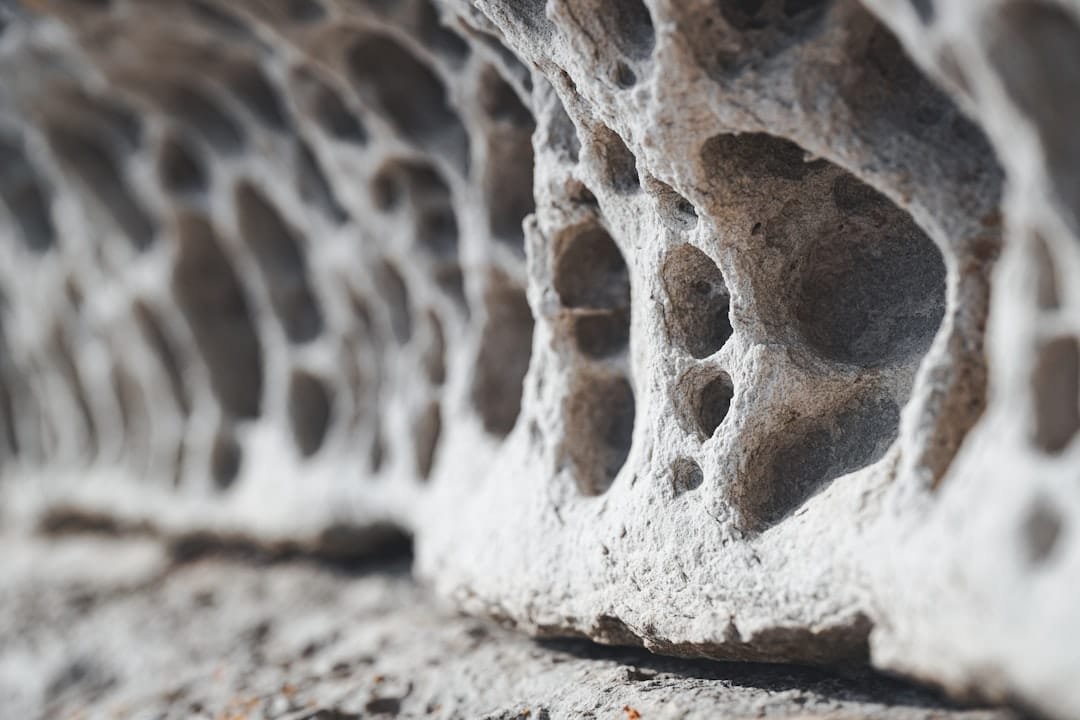
The paper says that natural porous structures offer examples of mechanical robustness and multifunctionality, and that these examples can guide the design of synthetic porous materials. It concludes that mimicking natural multi-scale porous structure can help create porous materials with both comprehensive mechanical properties and multifunctionality.
Why the authors say this matters
The authors say this matters because porous materials are used in catalysis, energy storage, and biomedicine, but higher porosity usually reduces mechanical strength. The study suggests that learning from natural porous materials provides a new direction for developing strong and tough functional porous materials.
What the researchers tested
The paper reviews representative structures of natural porous materials and groups them by structural characteristics and mechanical design. It then summarizes manufacturing strategies for bioinspired strong and tough porous materials and surveys recent applications in energy absorption, bone tissue engineering, and energy/sensing.
What worked and what didn't
The paper reports that natural porous structures show remarkable mechanical properties and multifunctionality, and that biomimetic design can use these as inspiration. It also states that the general problem is that increased porosity tends to lower mechanical strength, which is the challenge these designs try to address.
What to keep in mind
The abstract does not describe new experiments or provide quantitative comparisons, so the strength of the evidence cannot be assessed from the available summary. Limitations are not described in the abstract.
Key points
- Natural porous structures are presented as examples of mechanical robustness and multifunctionality.
- The paper says higher porosity usually comes with lower mechanical strength.
- The authors group representative natural porous structures by structural characteristics and mechanical design.
- The review summarizes bioinspired manufacturing strategies for strong and tough porous materials.
- The abstract highlights applications in energy absorption, bone tissue engineering, and energy/sensing.
Disclosure
- Research title:
- Natural porous structures guide tougher biomimetic materials
- Publication date:
- 2026-01-21
- OpenAlex record:
- View
- Image credit:
- Photo by phoebe lynch on Unsplash
Get the weekly research newsletter
Stay current with peer-reviewed research without reading academic papers — one filtered digest, every Friday.